Opinion: Does Irish agriculture undervalue tillage farmers?

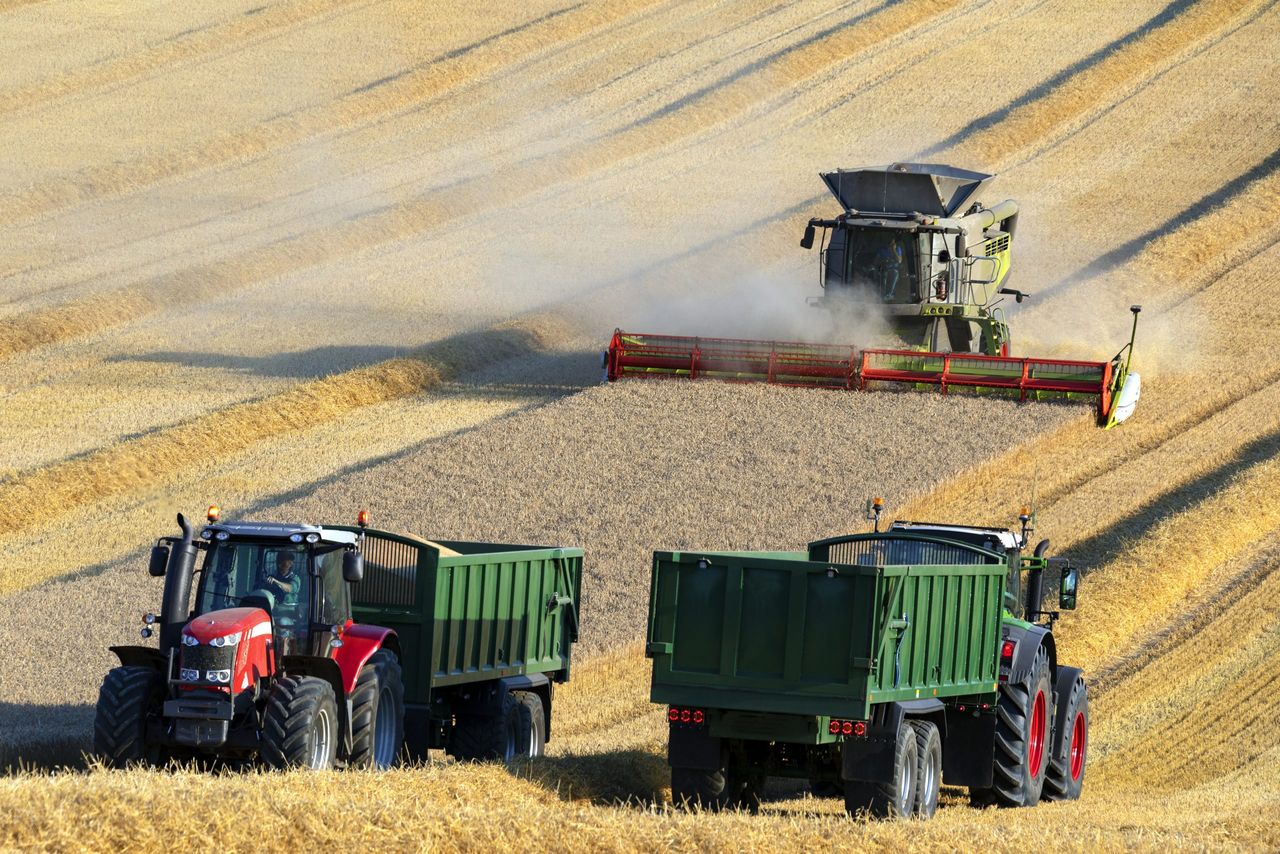
Tillage farmers are fast coming to the conclusion that they are now a bit of an afterthought within Irish agriculture.
Milk production rules the roost and that’s about the height of it
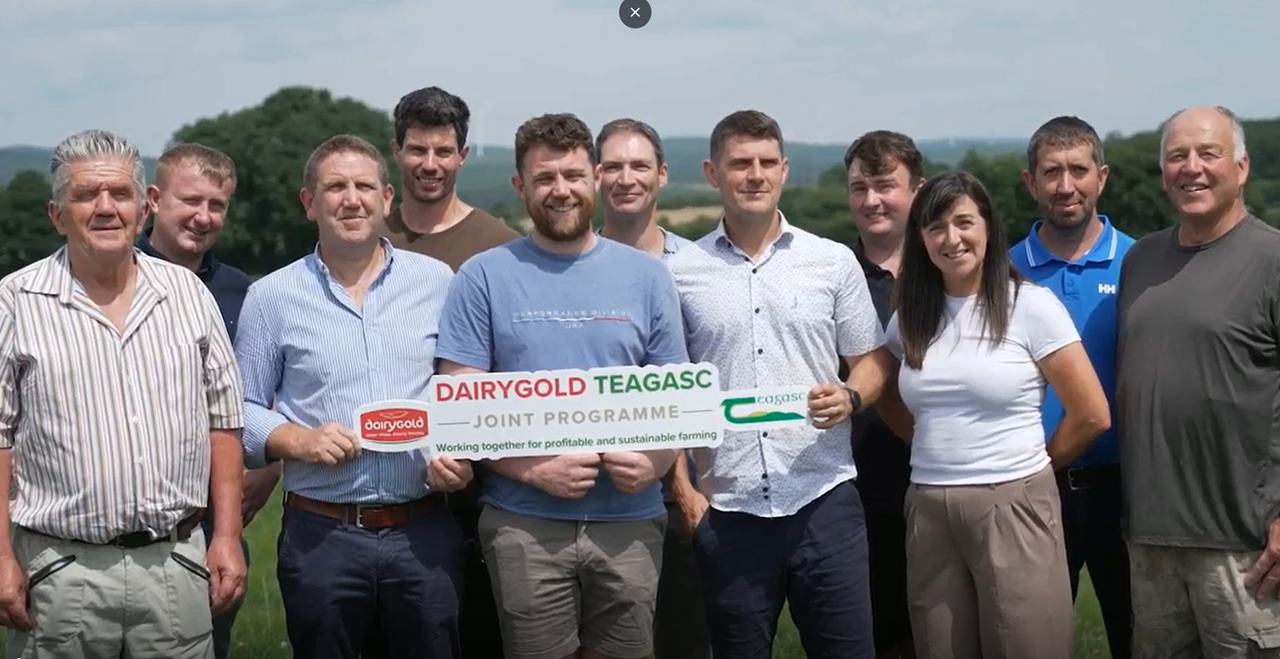
These were views widely expressed at a recent spring crop walk held in east Co. Donegal on the Manorcunningham farm of Michael Grant.
All of this comes back to the issue of native grains and how home-produced cereals can secure a premium price within an Irish market for grains that is so dominated by imports.
There was unanimity amongst the entire cohort of farmers attending the event that fundamental steps must be taken to make this a reality.
And the organisations in the firing line for not making this happen were the feed compounders and Bord Bia.
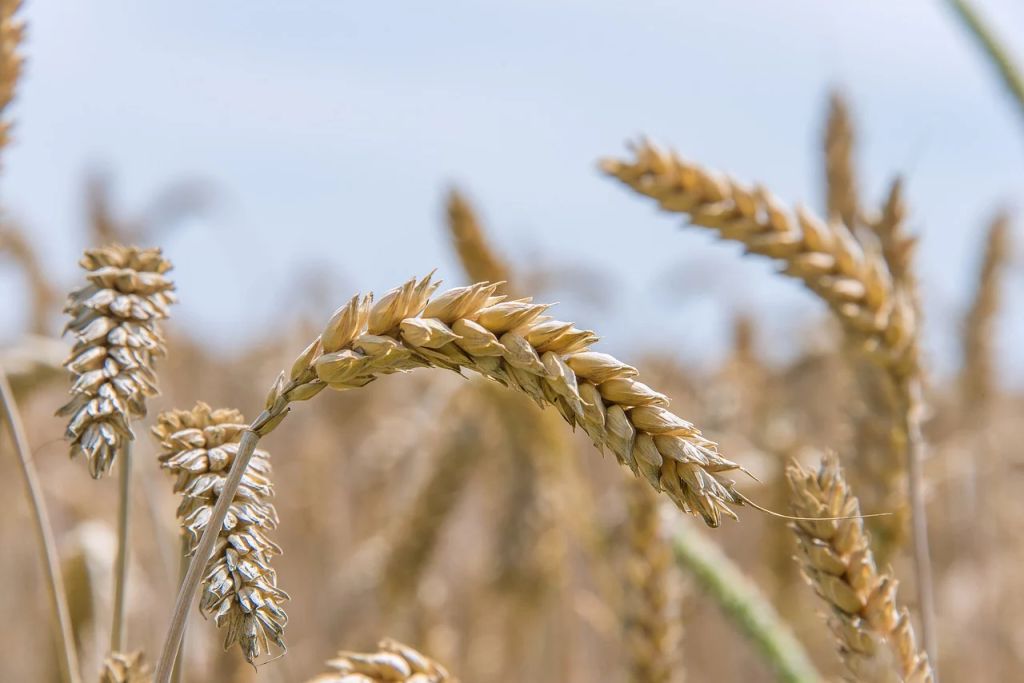
All of this comes down to a fundamental question: why is there no requirement to have Irish milk produced from cows that are fed a baseline proportion of Irish grains on a consistent basis?
And the same principle holds where Irish beef, pork poultry and lamb are concerned.
A follow-up question beckons: why are Irish livestock farmers not prepared to pay a premium price for the superior quality cereals grown on their doorsteps?
It is hard not to argue against these points of principle. Stuffing large quantities of imported cereals down the throats of cattle hardly gives the resulting dairy and beef products a very Irish heritage, does it?
Carbon footprint
We already know that Irish grain has an exceptionally low carbon footprint.
Teagasc trials have confirmed this, a reality that has been fully backed up by the data already amassed through the Teagasc AgNav tillage portal.
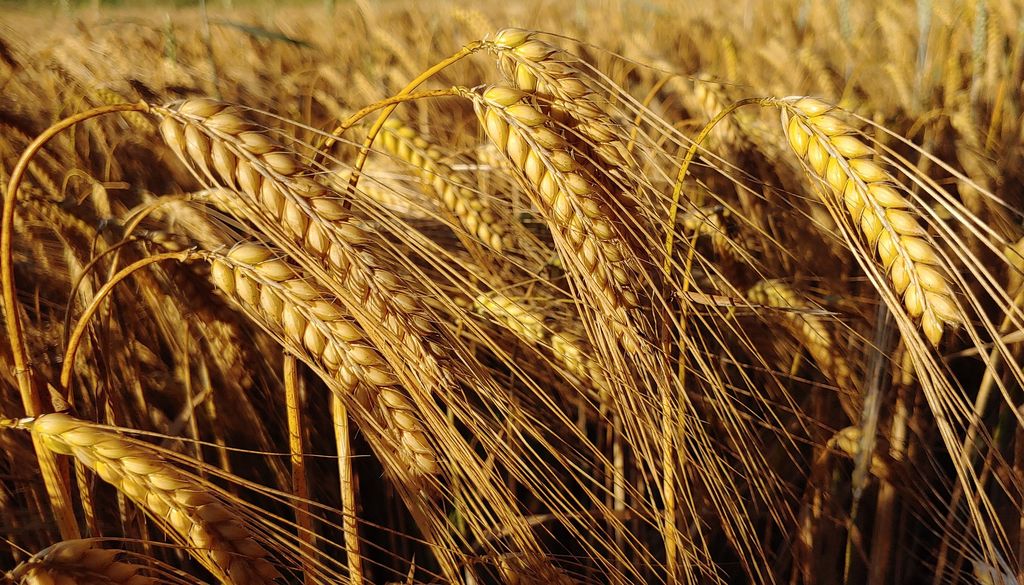
Meanwhile, cereal growers await the news that all of this ground-breaking information will comprise a focal point of bespoke marketing campaigns that profile the excellence of Irish food.
I think they might be waiting for quite a while yet before this becomes reality.
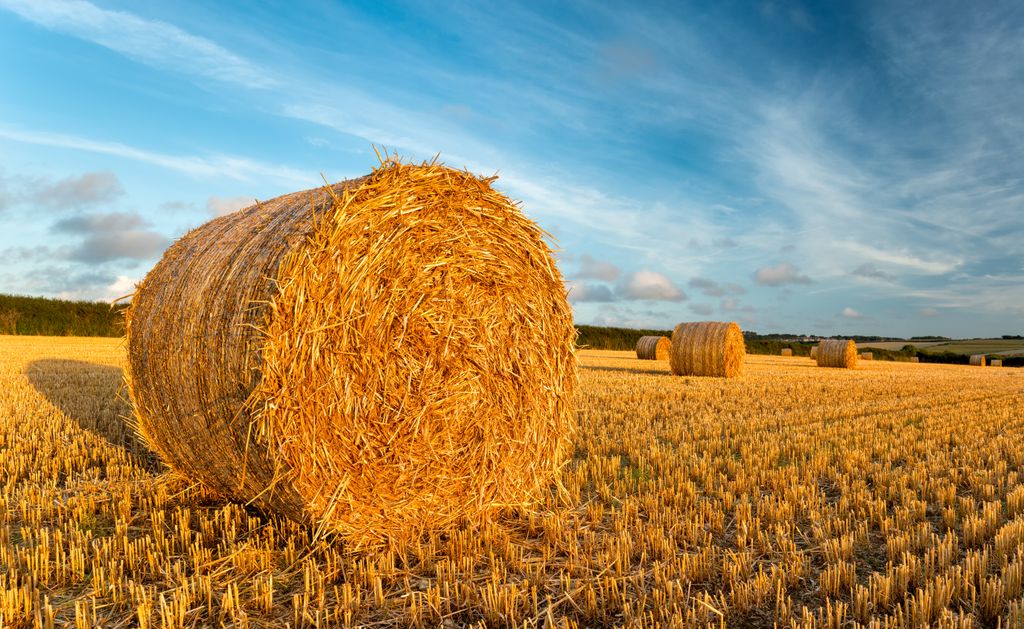
Straw is another bone of contention for Irish cereal growers at the present time. They produce large tonnages of it every year: again a premium product.
So why are Irish milk producers snubbing their tillage farming colleagues and opting to bring in more than significant amounts of Spanish straw.
The rationale behind this move, I’m told, is due the imported straw being precision chopped.
If the subject wasn’t so serious, laughs all round would be in order.
But this is far from being a joke. Irish tillage farmers have the right to expect a premium return for the straw they produce on their home market.
Just think of the carbon footprint associated with the importation of straw from Spain into Ireland. But there is a still further, and extremely sinister, twist to this plotline.
It is now believed that Spanish straw could well be heavily impregnated with seeds of various weeds that are herbicide resistant.
So there’s another big ‘thank-you’ from Irish tillage farmers to their milk-producing colleagues!
Grain prices
Because native grains are basically treated as commodity products by Irish feed compounders, the price paid back to growers here has basically flatlined over the past number of years.
Essentially, the world is full of cereals and oilseeds: a scenario that is unlikely to change in the foreseeable future.
What has to change though is the attitude taken by Ireland’s entire agri-food sector where the use of native grains is concerned.
I believe Bord Bia has to take the lead in this matter and should take a more holistic approach to the marketing of Irish food.
Let me explain why - Irish beef is not just a product of Irish grass, therefore should it not be profiled as a product of Irish grass and native grains?
The same principle holds where dairy, pork, poultry and lamb are concerned.
Farm Vision Tillage Group
The Farm Vision Tillage Group was established to plot a way forward for Ireland’s cropping sector - so what should it do next?
For their part, cereal growers are not looking for special treatment: they just want a level playing field.
Let’s not forget that tillage farming can offer so many environmental solutions for the livestock sector: making best use of animal slurries being one of them.
The need to improve water quality across all of Ireland’s rural areas remains an utmost priority.
Expanding the footprint of the crops’ sector is one way this scenario can be tackled. This aspiration is at the very heart of Ireland’s Climate Action Plan.
Securing a tillage sector with an area footprint of 400,000ha has already been identified by government as a national priority.
However, this aspiration will not be achieved if those farmers committed to crop production continue to feel they are second-class citizens in their own country.