FAO: Strait of Hormuz closure could trigger 'severe' food price crisis

The Food and Agriculture Organization of the United Nations (FAO) has warned of an impending global food crisis due to the closure of the Strait of Hormuz.
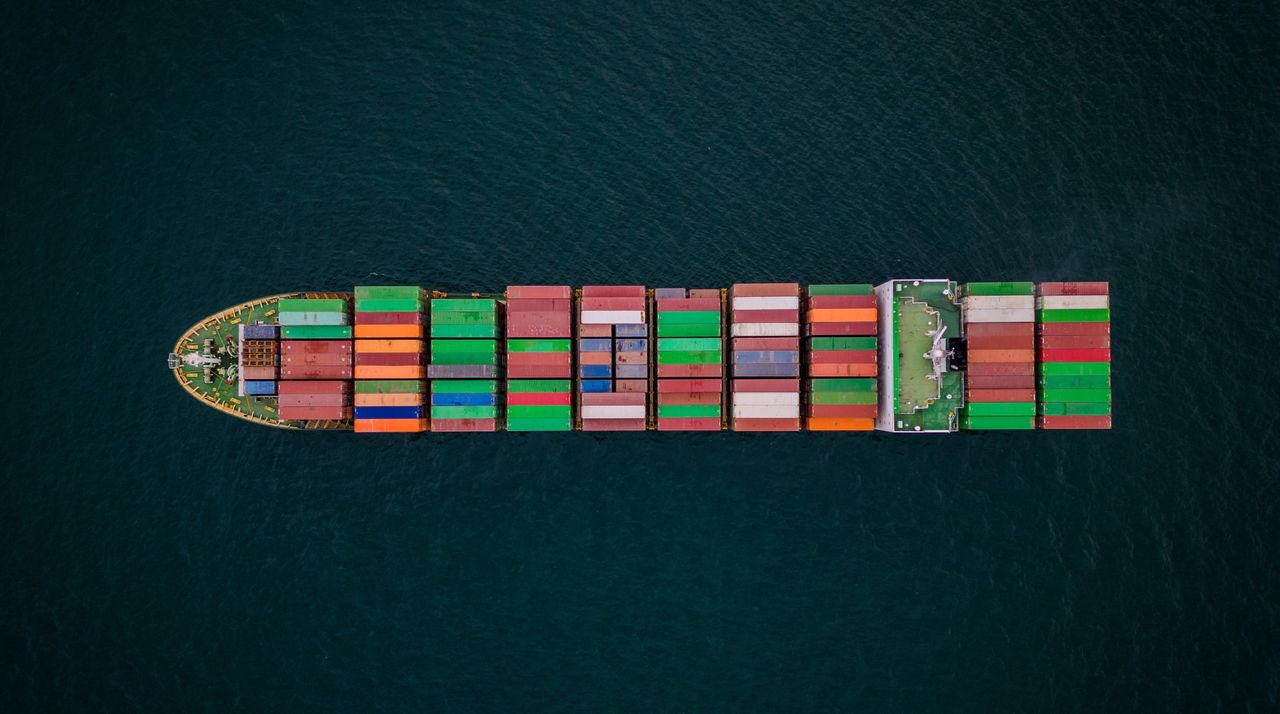
The narrow stretch of water between Iran and Oman is one of the world's busiest shipping channels for oil, liquefied natural gas (LNG) and fertilisers.
Trade through the strait has been largely blocked since the outbreak of the war in Iran at the end of February.
US President Donald Trump claimed yesterday (Saturday, May 23) that a peace deal with Iran "has been largely negotiated" which would include the reopening of the Strait of Hormuz.
However, this has been disputed by Iranian authorities.
Strait of Hormuz
The FAO said the closure of the Strait of Hormuz is "not a temporary shipping disruption, but the beginning of a systemic agri-food shock that could trigger a severe global food price crisis within six to 12 months".
The organisation said this week that avoiding such a crisis will need alternative trade routes, restraint on export restrictions, protection of humanitarian flows, and buffers to absorb higher transport costs.
"The time has come to start seriously thinking about how to increase the absorption capacity of countries, how to increase their resilience to this choke, so that we start to minimize the potential impacts," Maximo Torero, FAO Chief Economist, said.
According to FAO, "the window for preventive action is closing quickly" as farmers are making decisions now on fertiliser use, crop choices and financing.
The FAO Food Price Index rose for a third consecutive month in April, driven by high energy costs and disruptions linked to the conflict in the Middle East.
The situation could also worsen with the onset of El Nino, which is expected to bring droughts and disrupt rainfall and temperature patterns across several regions.
FAO
FAO has compiled a series of policy recommendations designed to deal with the Strait of Hormuz crisis.
Among the short-term recommendations are securing alternative land and sea corridors to bypass Hormuz and avoiding export restrictions, especially on energy, fertilisers and inputs.
The FAO said that energy policy responses should not exacerbate food crises.
The organisation said affordable credit should be expanded for farmers and agribusinesses through "second-tier institutions" to provide lines of low interest emergency credit.
It added that repayment schedules for such credit should align with harvest periods and have at least six to nine months of grace periods.

In the longer term, the FAO recommended diversifying ports, corridors, storage, and logistics systems globally to reduce chokepoint risks in the future.
It encouraged the building of regional reserves and warehousing capacity to strengthen future shock absorption.
In addition, FAO called for the use of electrified machinery, drones, and precision agriculture technologies to be expanded.
It said efficiency should be improved by soil mapping and precision application to reduce fertiliser waste and increase nutrient-use efficiency.
The recommendations also call for funding to support green ammonia, biostimulants, crop genetics, and nutrient-efficiency technologies to "strengthen long-term resilience".