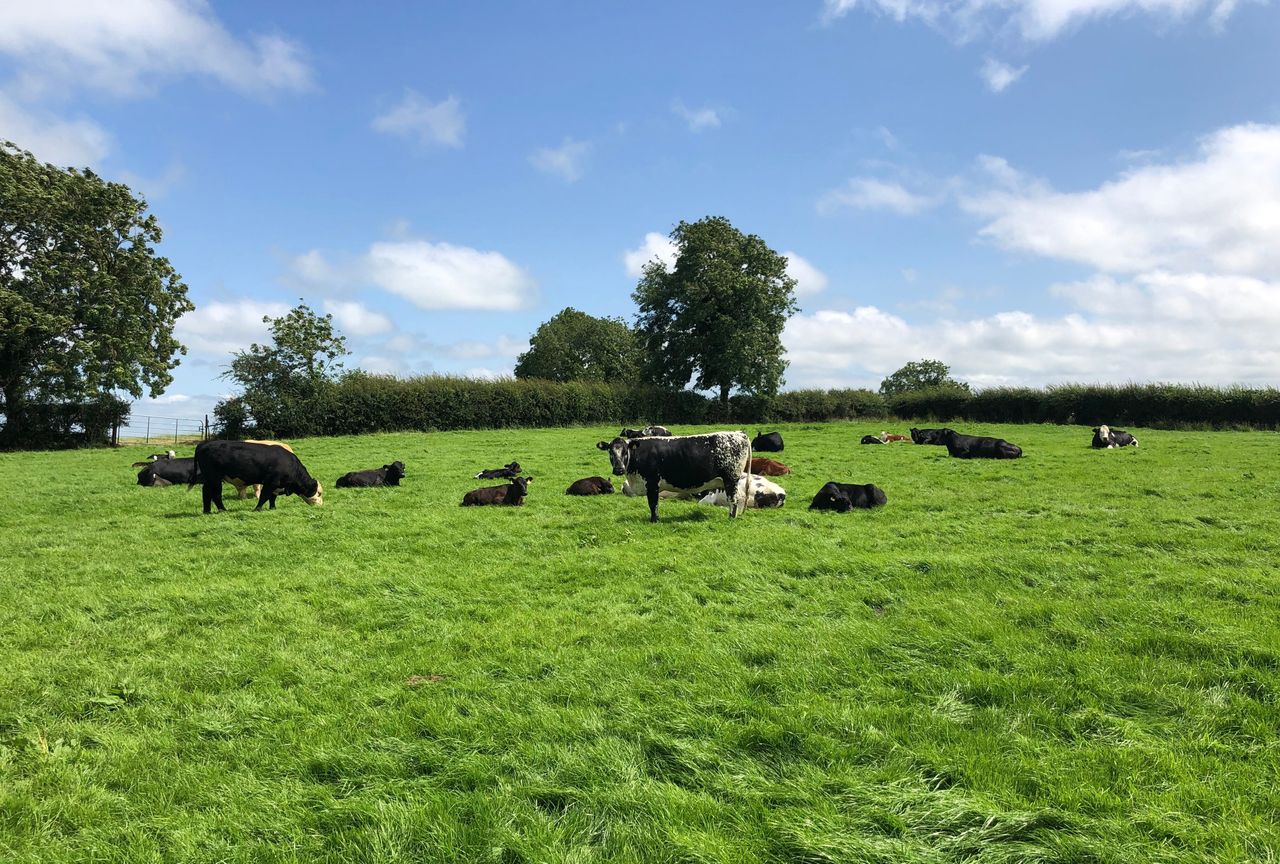
Spring reseeding on a shared farm in Co. Limerick

Donal Bourke junior and Donal Bourke senior are share farming alongside Colin Doherty just outside Adare in Co. Limerick.
Bourke Jr struck up a 50:50 shared farming agreement with his neighbour Doherty after making the decision to move to west Co. Cork, where he is now milking a separate herd of cows.
The original Kilfinny herd was sold off to a farm over in Wales, with Doherty buying in his own cows as part of the agreement.
The farm is now milking 200 Jersey-cross cows, and, considering how Doherty was the 2021 Grassland Farmer of the Year Winner, there is a clear focus on grassland management on the farm.
The farm, which is stocked at 2 livestock units (LU)/ha, got cows out to grass in early February, which set them up to start their second rotation at the end of March.
The average farm cover (AFC) is currently sitting at 880kg dry matter (DM)/ha, with cows currently going through 16kg of grass and 2kg of meal.
Doherty is a firm believer in spring reseeding, and with 10% of the milking platform reseeded annually, it made the farm a perfect candidate for a Teagasc spring grazing event.
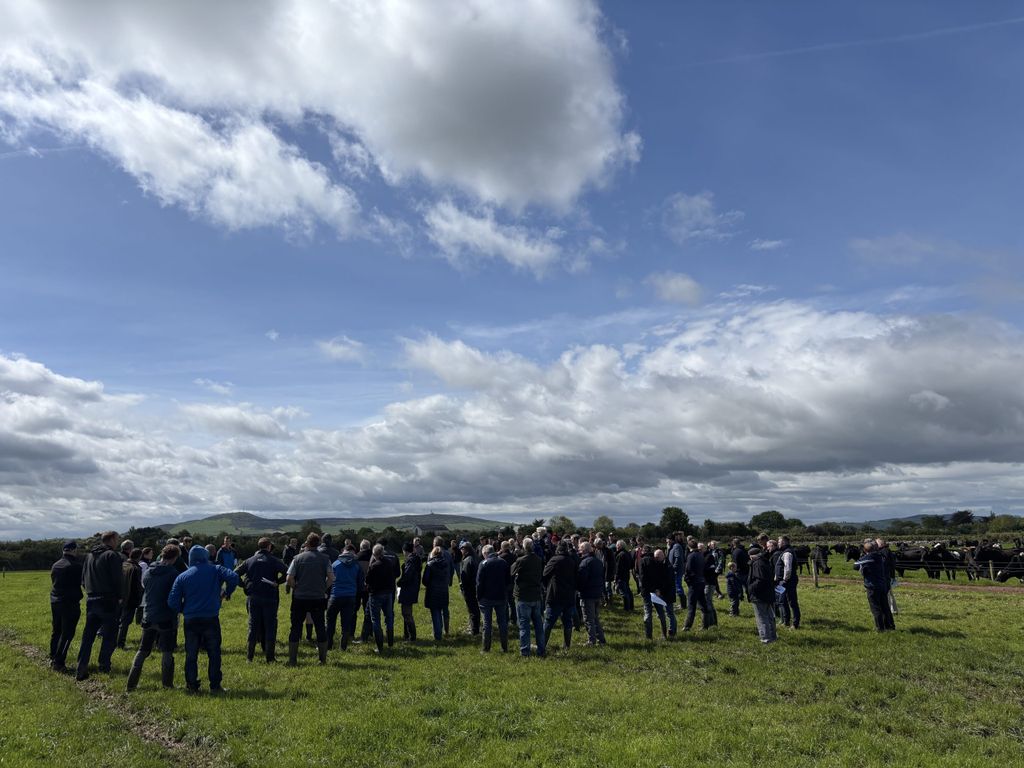
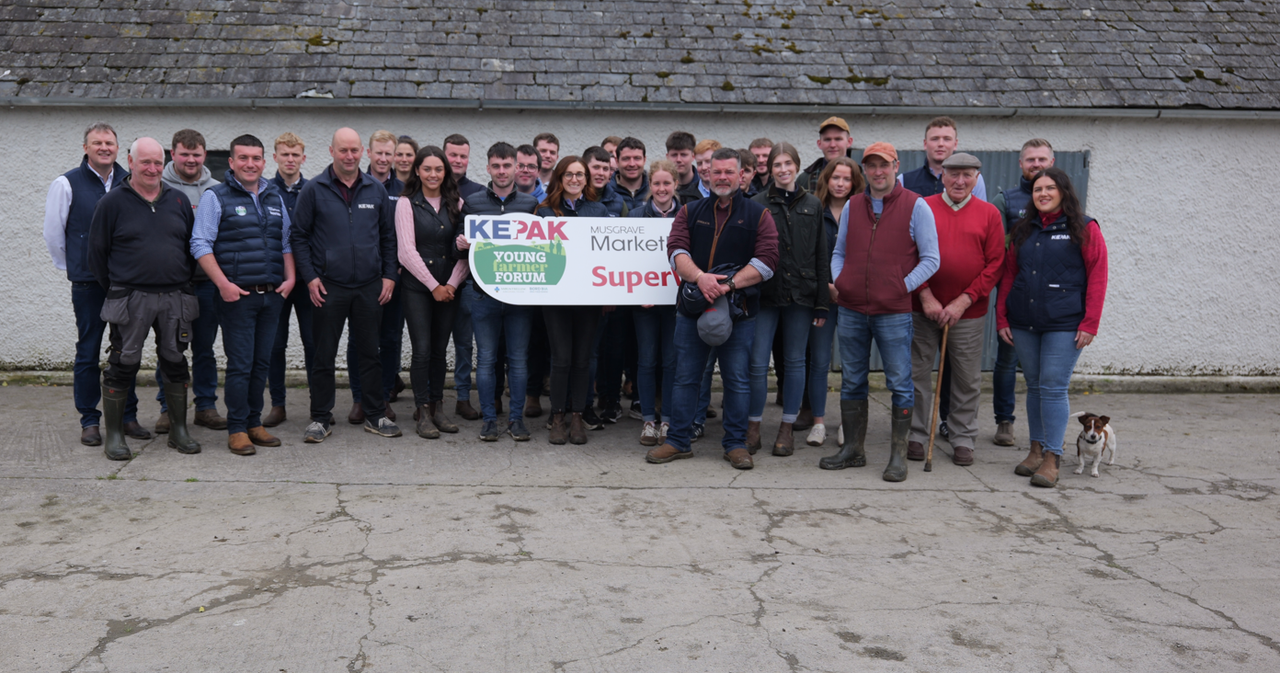
Teagasc Grass10 manager, John Maher, and local advisers Deirbhile Browne and Daragh Joy all spoke on the day.
They highlighted the importance of spring reseeding and spoke about what is involved in the process, including methods, timeframes, soil health, preparation, and variety selections.
Reseeding
Bourke and Doherty also spoke about their experience with spring reseeding so far in 2026.
They told the crowd how they identified the paddocks that would be nominated for reseeding last summer and took a cut of silage off them in September.
The paddocks were then grazed in early March, and got a second grazing during April despite the challenging weather conditions.
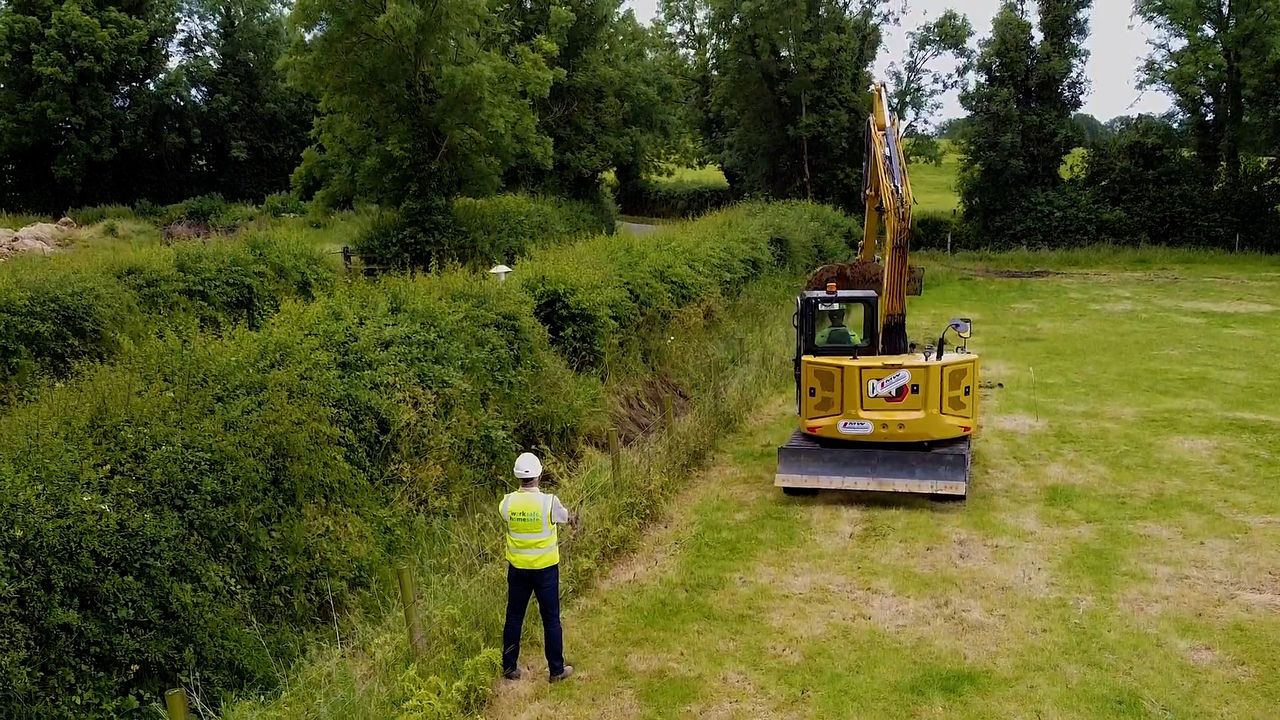
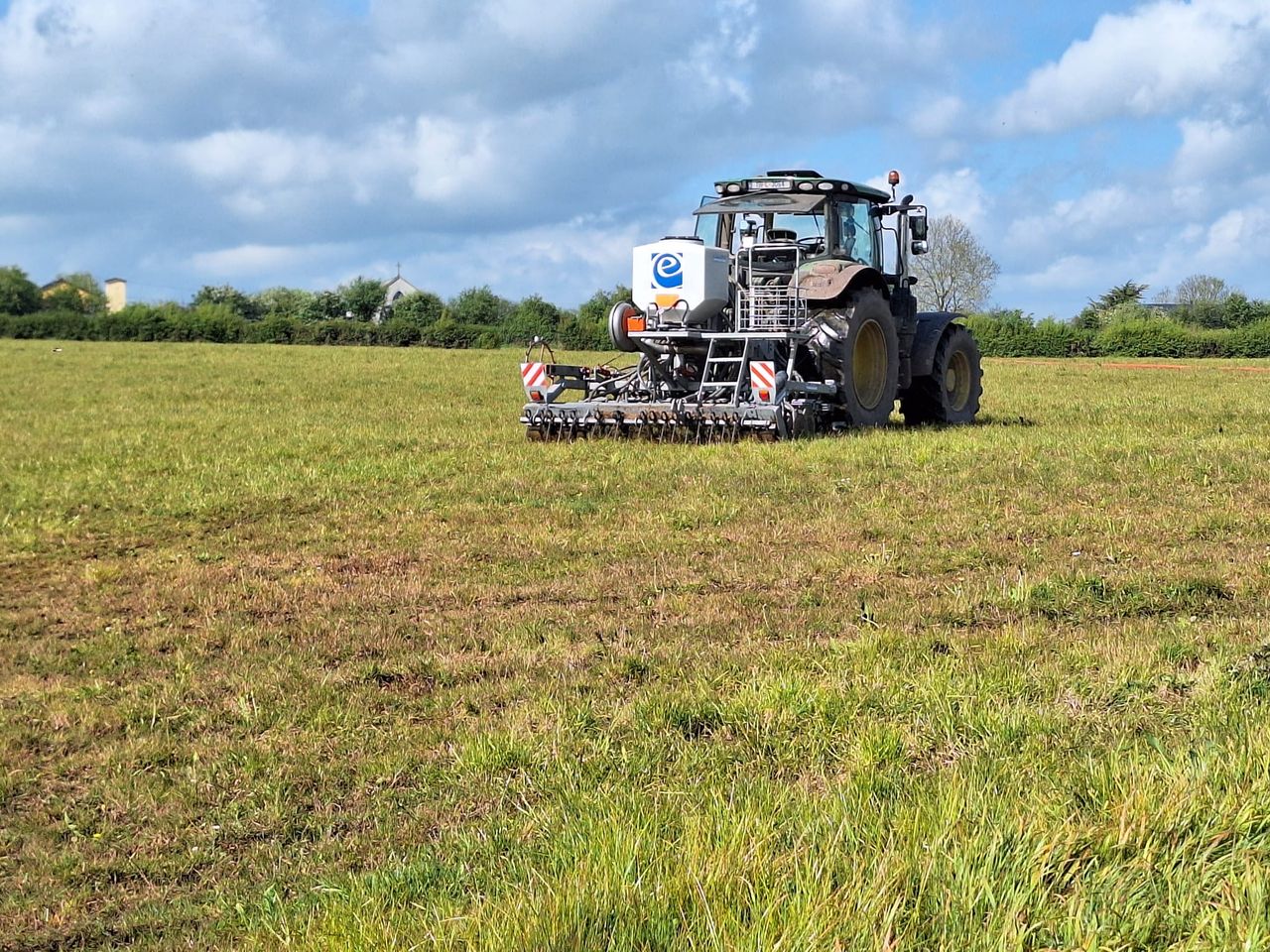
This set them up well to get out in the first dry spell and spray off the paddock, which ended up being done on April 25.
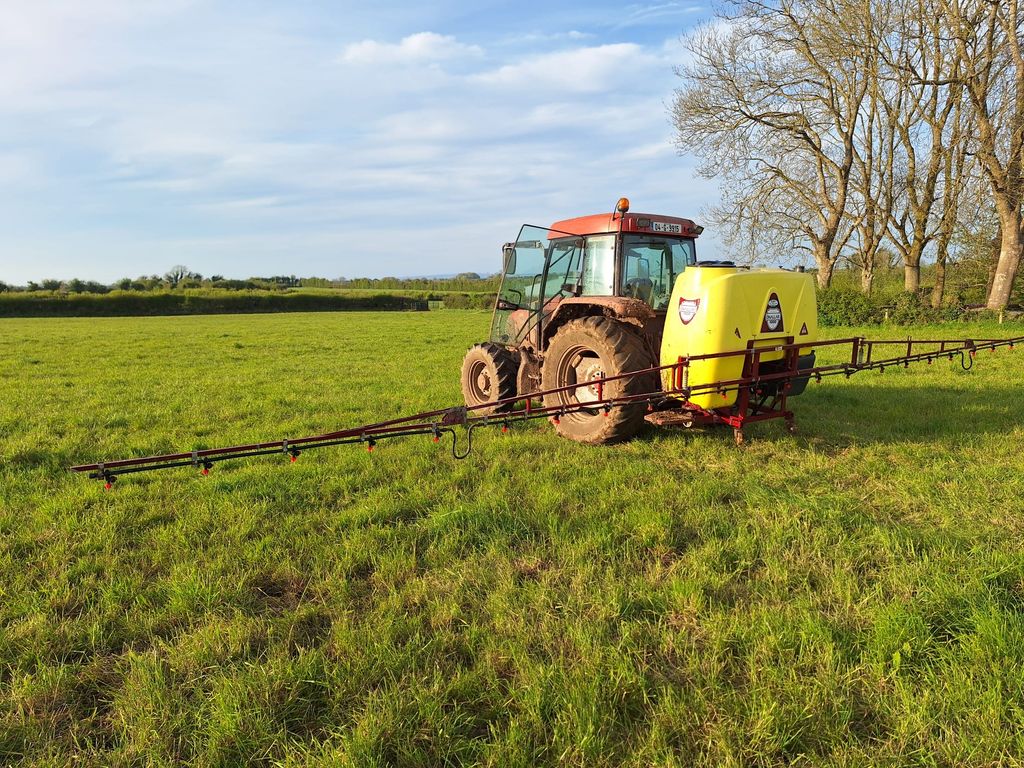
Doherty said that they got in four or five days later to actually seed the paddock.
His preferred method of reseeding is an Erth machine, with a local contractor planting the paddocks at a rate of 17kg/ac.
He went with a mix of Nashota, Anurad, and Astonenergy, as he feels the graze out of these varieties were the best.
Maher noted that the mix ended up with one strong spring grower, one medium spring grower, and one poor spring grower, but said that compromise balances out due to the strong graze out and pasture quality figures which holds through the middle of the season.
No silage ground was reseeded this year, but Doherty usually opts for Aberclyde when he is reseeding those pastures.
In the mix planted this year, there was also Coolfin Clover, but the farm also plants Clodagh, Dungloe, and Crusader clover in paddocks.
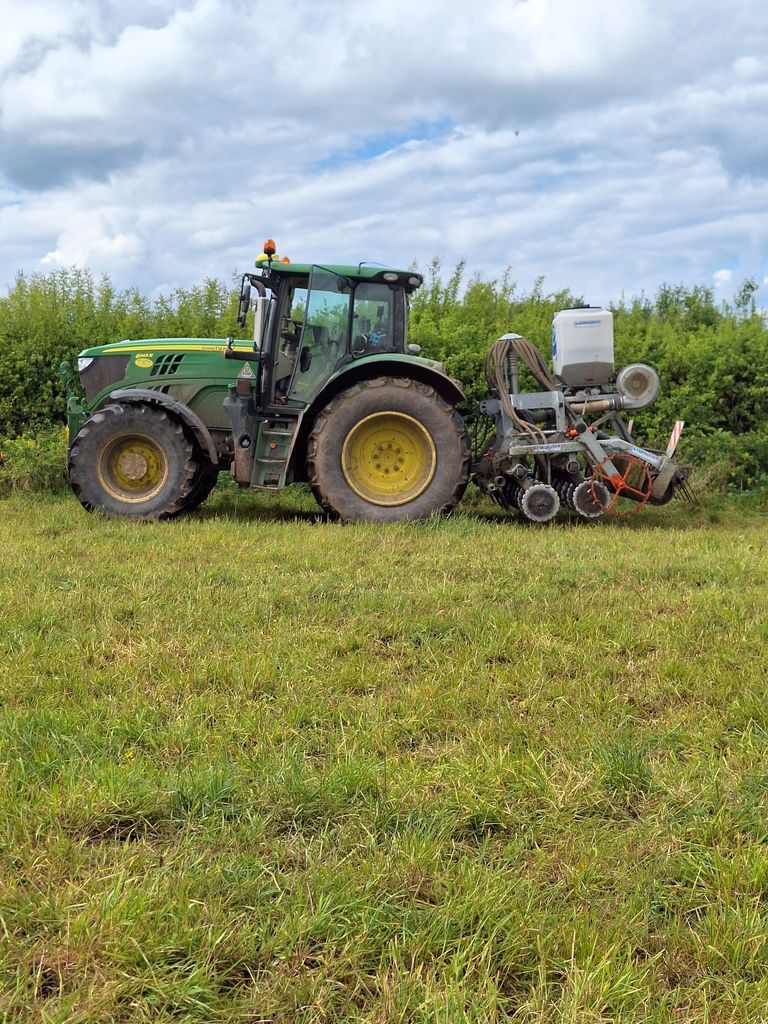
Since the reseed at the end of April, the Kilfinny farm has spread 10-10-20 and slurry on the ground.
As it stands, 90% of the farm has a phosphorus (P) index of 3 or 4, 69% of the farm has a potassium (K) index of 3 or 4, and 91% of the farm has a pH of 6.2 or higher.
If the clover establishes well, they will go "very light" on nitrogen applications, aiming for 20 units once a month.
It is now three weeks since the seeds were planted and the share farmers will be on the watch out for clover-safe post-emergence spraying when covers get to about 400kg DM/ha.
However, they are happy with how clean the pasture is currently and hope an early grazing may do wonders and keep weeds from establishing, hoping to clean it before it gets to 1,400kg DM/ha.
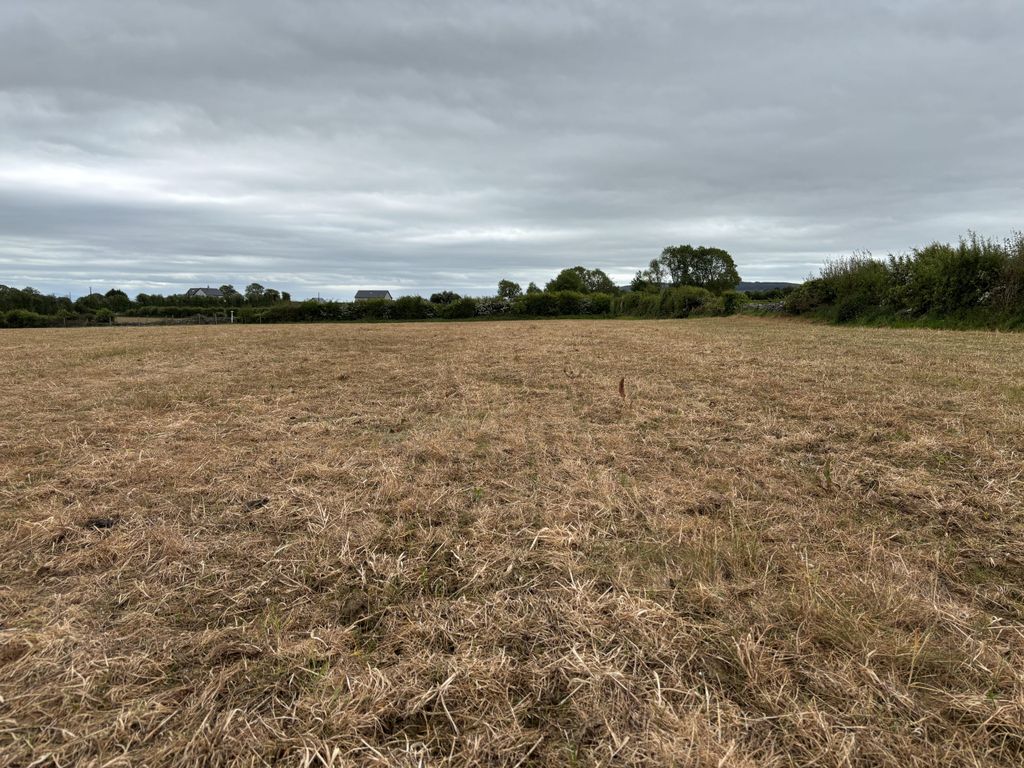
Because the fields were reseeded with a direct drill, there is some surface trash that needs to be managed.
Doherty has been waiting for the weather to dry up, but is planning on getting lime out in the weeks ahead to counteract acidity of the decaying grass and ensure successful germination.
Once that is done, he will be hoping to be grazing the pasture in five weeks' time, which would be a total of eight weeks from the reseed date.