Explainer: Invasive species and the danger they pose

It was announced this week by government that a "new approach" is being taken to tackle invasive species in Ireland.
Invasive species pose a significant threat to Ireland's native wildlife and the functioning of Ireland's ecosystems.
What are invasive species?
Non-native species refer to species that have been introduced through human action outside of their natural distribution, according to the National Biodiversity Data Centre's (NBDC) online portal for information on invasive species.
'Alien', 'exotic', 'introduced', 'non-indigenous', and 'non-native' are all synonyms and frequently used interchangeably.
Invasive species are a subset of these.
"Invasive species are species whose introduction and/or spread by human action outside their natural distribution threatens biological diversity, food security, and human health and well-being," the NBDC said.
However, many species may be non-native without being invasive.
The NBDC said our economies depend on many non-native species, such as agricultural crops.
What invasive species are present in Ireland?
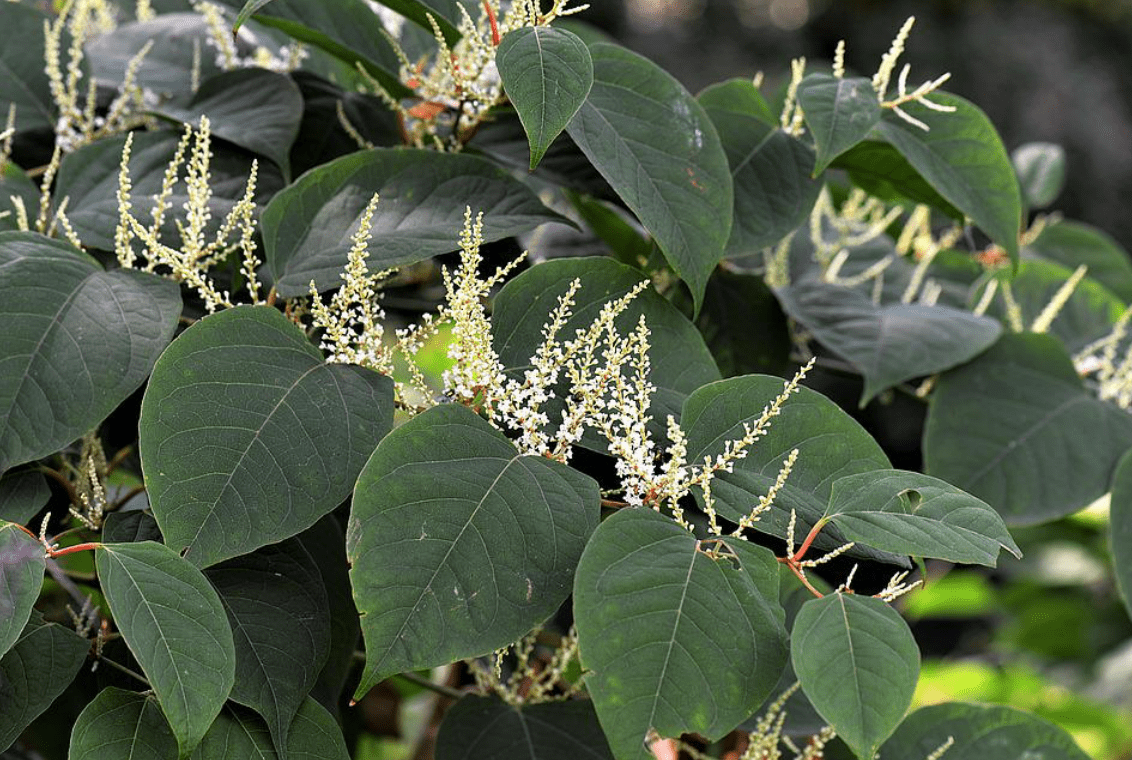
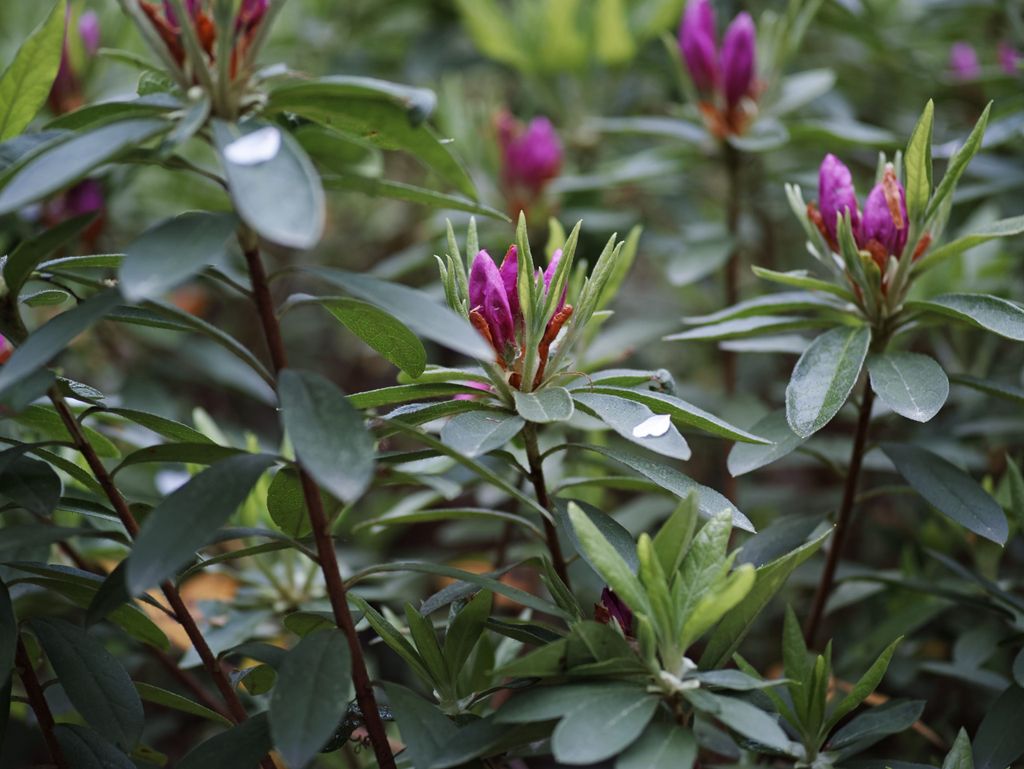
Examples of invasive species found in Ireland that people are most familiar with include Rhododendron ponticum, North American mink, and Japanese knotweed.
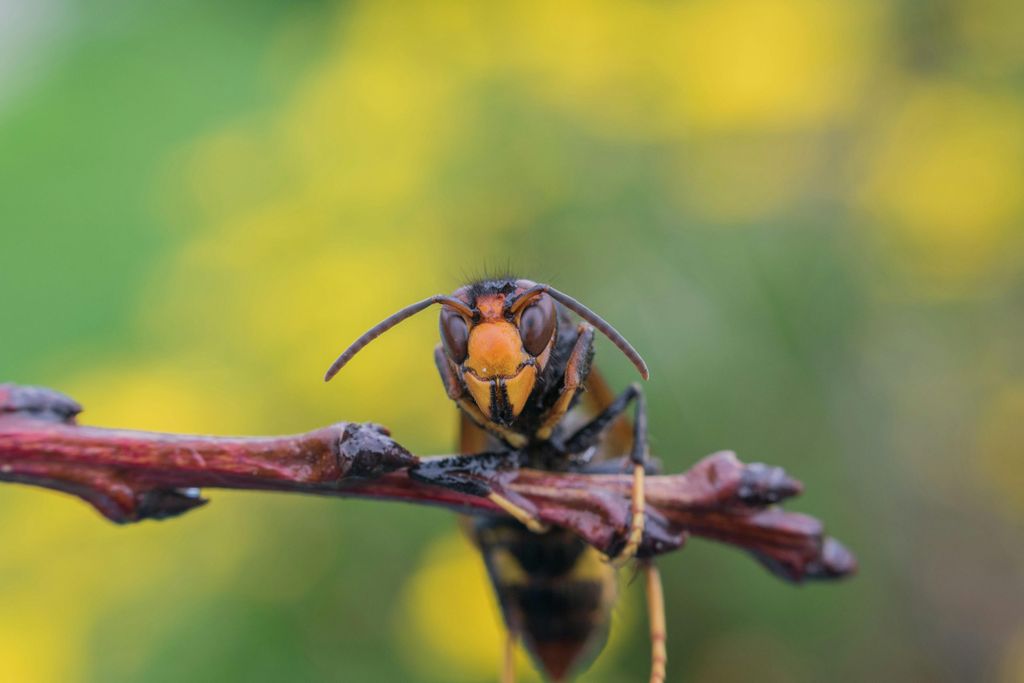
The Asian hornet is also an invasive species.
In 2025, reported sightings of the insect in Co. Cork led to a rapid government response resulting in the location and removal of two Asian hornet nests.
A new roadmap has been published this week by the government, focused on coordinating efforts to ensure the Asian hornet does not take hold in Ireland.
The Asian hornet, native to Southeast Asia, has spread through continental Europe since its accidental introduction in France in 2004.
What danger is posed?
Invasive species pose a significant threat to Ireland's native wildlife and the functioning of the ecosystems, the NBDC said.
Invasive alien species are among the greatest threats to biodiversity worldwide.
The Asian hornet, for example, poses a threat to native pollinators. A single nest can devastate local honeybee populations.
"Through prevention, early detection, rapid response, eradication and control measures, we can reduce the risk of their introduction, establishment, spread and impact," the NBDC said.
What is the new bureau?
This week, Minister of State for Nature, Heritage and Biodiversity, Christopher O’Sullivan announced a new partnership between the National Parks and Wildlife Service (NPWS) and the NBDC which will establish an Invasive Species Bureau.
The Invasive Species Bureau formalises the partnership between the NPWS and the NBDC to support implementation of EU regulations on invasive species, and to strengthen Ireland’s approach to managing them.
Representatives from both bodies signed a Memorandum of Understanding setting out the objectives, terms, and scope of the work to be undertaken by the Invasive Species Bureau.
With the new bureau in place, work will now begin on a National Invasive Species Management Strategy for Ireland.
What should the public do?
Biosecurity refers to practices taken to prevent the introduction and spread of organisms (species and pathogens) in the wild.
The NBDC advises that the fundamental principle wherever you go is to check and clean footwear, along with equipment, including bikes, boats, angling equipment or anything else that could carry visible or invisible living organisms from one location to another.
"If alien species do arrive into Ireland and the wild, we need to detect them as soon as possible so rapid response action can be taken to remove/eradicate them from the wild before they get the opportunity to establish reproducing populations and spread," the centre said.
Minister Christopher O'Sullivan said this week that the public plays an important role in the early warning system.
People are urged to learn about invasive species and to report any sightings via the online portal.

There are campaigns and events running to increase awareness amongst the public.
For one week each year, organisations across Ireland, the UK, the Isle of Man, Jersey, and Guernsey come together to raise awareness of invasive species and the actions that everyone can take to prevent their spread.
Invasive Species Week 2026 will run from June 22–28 this year with a range of events.
This summer also, the Maigue Rivers Trust is inviting farmers, landowners and rural communities across Co. Limerick to take part in a new practical workshop series focused on tackling invasive species in the Maigue catchment.
Led by Streamscapes, the free summer programme titled 'Stop the Spread: Protecting the Maigue River Catchment from Invasive Species' will provide practical guidance for farmers and land managers on identifying them and reducing their spread across farmland, rivers and rural landscapes.
Included in the programme is a range of workshops and field walks.