How are your maiden heifers looking ahead of breeding?

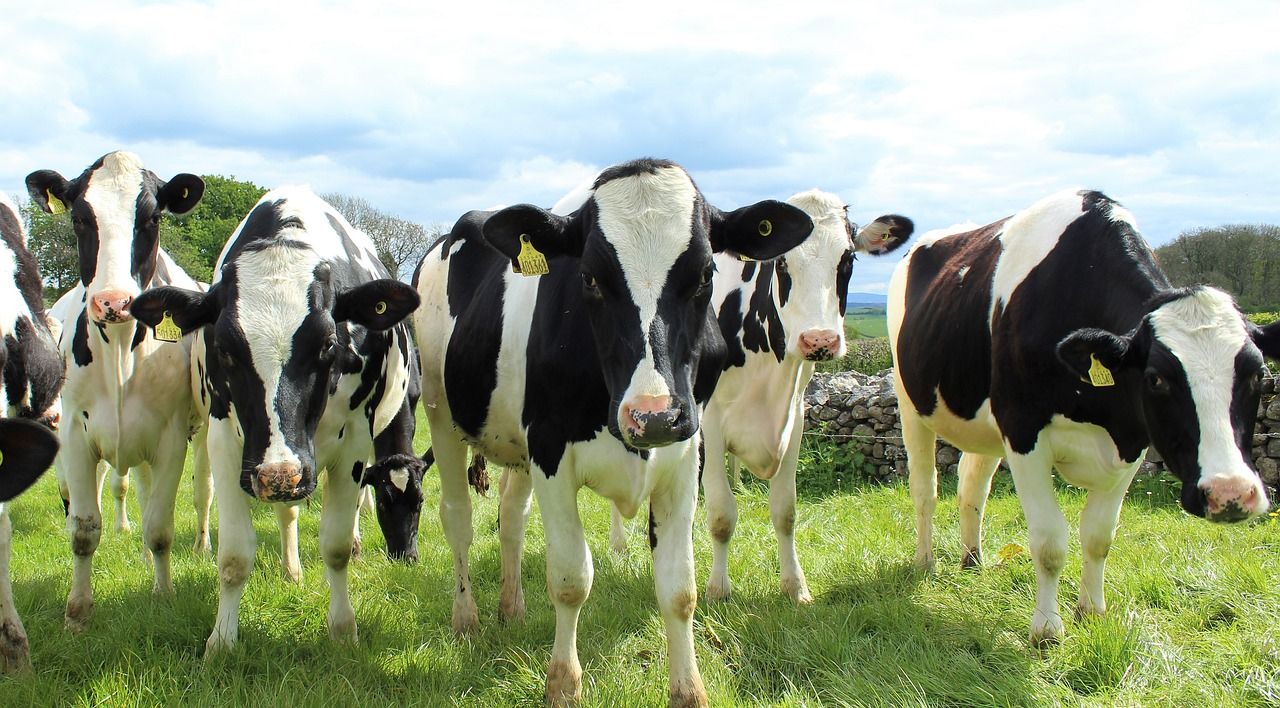
Now that we finally have a bit of good weather, a lot of farms may be getting heifers out to grass, but it is still important to keep an eye on their condition as breeding edges closer.
The milking herd's condition is well watched as they pass through the parlour daily, but once heifers get to grass it is easy to take your eye off the ball.
A lot of the time, maiden heifers are put grazing on outblocks and nearly forgotten about, which often leads to targets slipping.
This is far from ideal, especially if they are being served to sexed semen in a bid optimise the genetic merit of the next crop of replacements.
Maiden heifers
It is important to understand the average weight of the cows in your herd to get a proper understanding of what weight your heifers should be at.
Once you know this, all the maiden heifers should ideally be weighed to get an accurate understanding of where they are at and what needs to be done if off target.
If some of the stock are slipping behind targets, it may be worth considering separating them, and allocating them fresh, lush grass with supplementation to get them back on target.
Heifers need to be at 60% of their mature bodyweight for breeding at 15 months and a cow at 576kg - that means the heifers need to be at 345-350kg.
Below is a list of projected live weights along with the relevant weight targets for maiden heifers at breeding as per Teagasc:
| Projected liveweight (kg) | Breeding weight target at 15 months (60% of projected liveweight)(kg) |
|---|---|
| 691 | 415 |
| 666 | 400 |
| 641 | 385 |
| 616 | 370 |
| 591 | 355 |
| 576 | 346 |
| 566 | 340 |
| 541 | 325 |
| 516 | 310 |
| 491 | 295 |
Heifers that fail to meet these targets can have reduced reproductive performance, which may prove costly when it comes to breeding if using AI/sexed semen.
That is why we should be weighing them, and not using sexed semen on any underweight heifers as poor conception rates will lead to disappointing results.
Farmers that are aiming to synchronise heifers at the start of the breeding season will be making weight-based decisions in the coming days, meaning they will not have time to rectify any underweight issues in time for the synchronisation programme.
Underweight heifers
However, if heifers are underweight and not being synchronised, they should be fed a kilo of soya between four every day over the next few weeks in hopes of getting them back on track.
It is also important to ensure they have an adequate supply of minerals in front of them.
If there are issues with weight gain, farmers should blood-test a few heifers to see if they are lacking in certain minerals that can then be supplemented.
Grouping your maiden heifers may need to occur, with different groups being on different feeding routines.
If you are unsure about their dietary requirements, you should speak with your nutritionist or dairy adviser.