€1.75 million EIP on soil health launched in west Clare

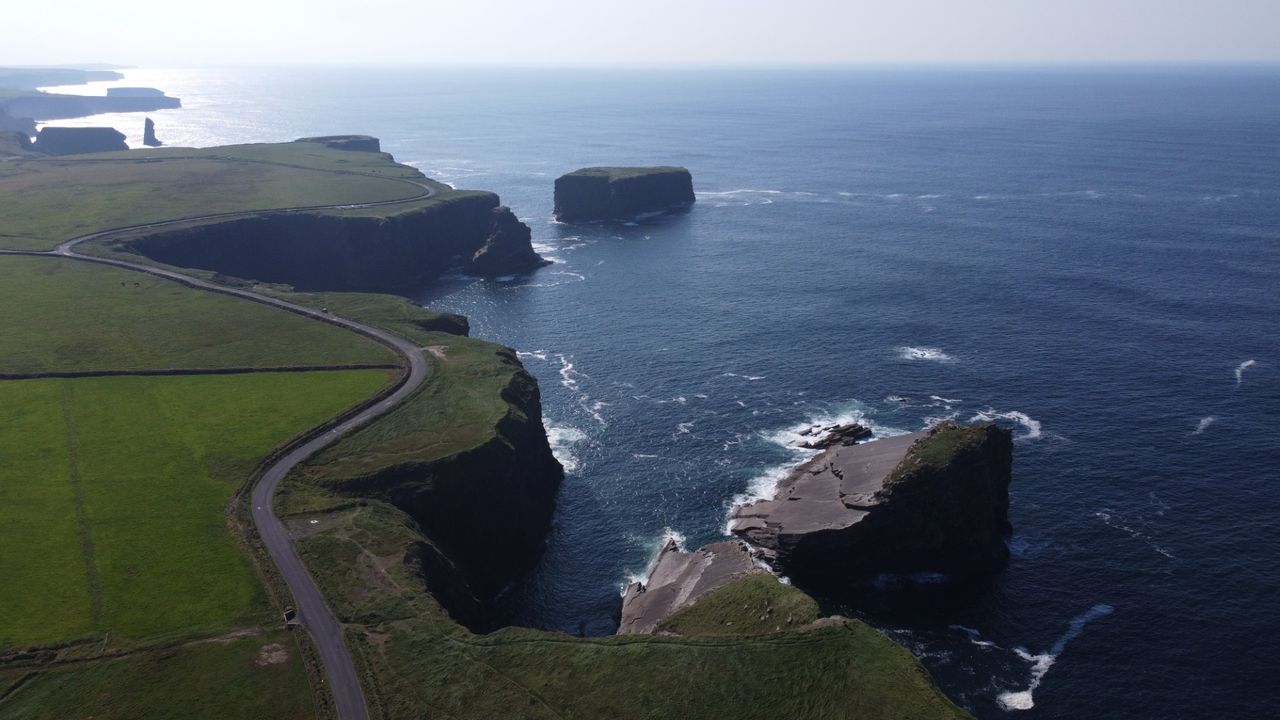
A new European Innovation Partnership (EIP) focussing on soil health on the Loop Head Peninsula in west Co. Clare has been launched.
The SCEENE (Soil Carbon Enhancement for Nutrient Elimination) EIP was launched on Friday (April 17) in the Diamond Rocks Café in Kilkee, Co. Clare.
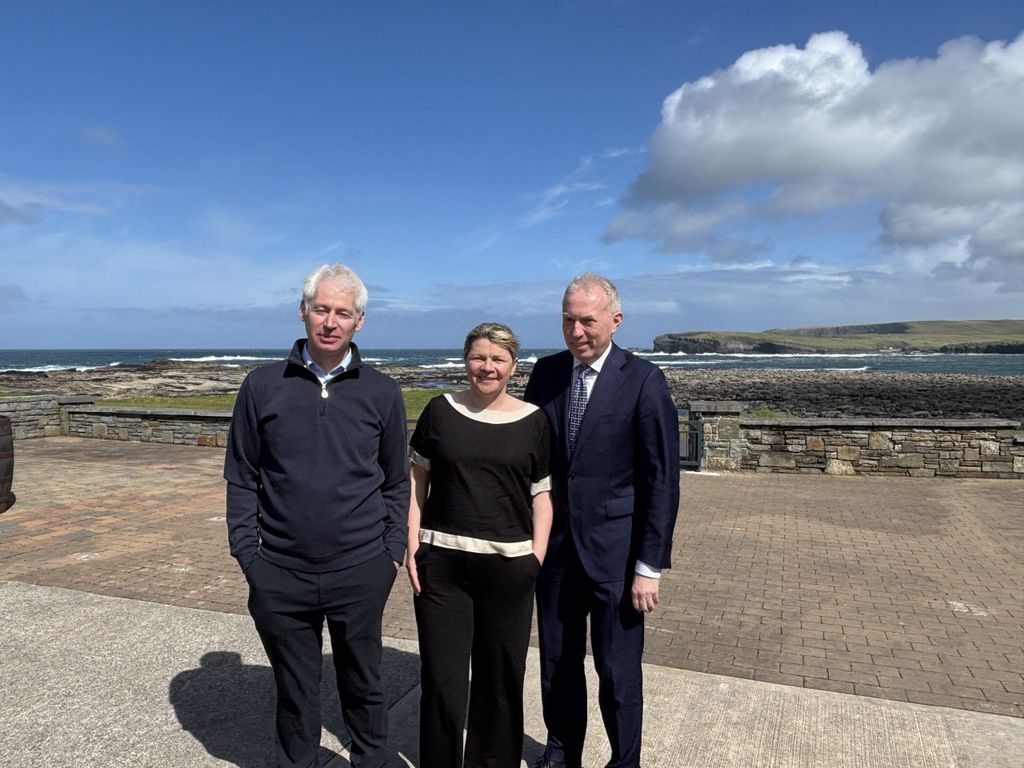
Minister of State at the Department of Agriculture, Food and the Marine (DAFM), Timmy Dooley officially launched the EIP, which is being run by Loop Head Together, a local environmental and social sustainability group.
The project, which is co-funded by DAFM and the European Union, has received €1.75 million in funding in a bid to improve soil health, soil biodiversity, and water quality on the Loop Head Peninsula.
SCEENE launch
On the day of the launch, project manager Brendan Molloy explained what the project involved.
Molloy said: "The aim of the project itself is to address one of the most significant challenges that face global agriculture today, soil health."
To do that, the EIP has laid out three main strategies, with the primary strategy being improving soil carbon and health through the use of biochar-liquid fertiliser, which should simultaneously reduce nutrient leaching.
To make the biochar, a slurry separator will visit participating farms, separating the fibrous solids from the liquids.
The liquids will be pumped back into the slurry tank, while the solids containing 30-40% dry matter (DM) are taken away, as well as any other waste such as rotten silage/hay, to be used for the production of biochar.
The waste will then go through a process called pyrolysis, where it is essentially baked to a charcoal-like state, but not burnt to the point where it loses its carbon.
Molloy noted that the gasses and heat created during this heating process will be recycled back into the 'oven' to be used to generate heat again.
The farm will then receive their waste back as biochar, which will eventually be spread back out on the farm in the form of liquid fertiliser.

Biochar is believed to increase soil porosity, which would facilitate air and water movement in the soil while also neutralising acid, and promoting germination and seedling growth.
The project is hoping biochar will reduce nutrient run-off by capturing and storing excess nutrients, enhance soil health by improving soil structure, porosity, and microbial biodiversity in the poorly drained gley areas of Loop Head, all while boosting carbon sequestration.
The biochar's highly porous structure should provide habitats for beneficial fungi and bacteria, which will further improve soil health.
All of these actions combined will have the potential to improve the region's water quality while simultaneously enhancing the efficiency of on-farm nutrient use.
Soil health
Dr. Lena Madden, who is set to carry out the experimental design, implementation, and analysis of the project, also spoke on the day.
She said that the project also aims to establish deep-rooting plant species to improve soil structure, increase infiltration, and capture excess nutrients.
As well as that, the EIP is hoping to integrate mycorrhizal fungi into the region in a bid to strengthen nutrient uptake, enhance soil aggregation, and improve crop resilience.
Among the other speakers, Dr. Douglas McMillan highlighted the need for projects like these by outlining the role of soil carbon, which can drastically reduce nutrient efficiency while affecting water quality if carbon sequestration is not optimised.
Ruairí Ó Conchúir from the Local Authority Waters Programme (LAWPRO) also noted the importance of the EIP as he talked through the quality of water bodies in the county.
Meanwhile, Laura Foley of Wild Atlantic Hemp, who originally fronted the idea for the EIP proposal, spoke on her positive experiencing using biochar.
EIP participation
In order for farmers to get involved in the EIP, they must hold an active herd number with qualifying lands within or partially within Loop Head Peninsula.
They must have submitted a current application for the Basic Income Support for Sustainability (BISS), and must also be generating and storing farm waste such as slurry, farm yard manure, or plant residues.
Farms that are interested will be paid for their time and land, with €645,000 of the funding being allocated towards participation payments and equipment for the project.
Meanwhile €809,000 has been assigned to project coordination, project management, administration, research, monitoring, data collection, data analysis, and external support.
A further €280,000 has been allocated to 'other elements of project implementation'.