Spring grazing: Have you started the second rotation yet?

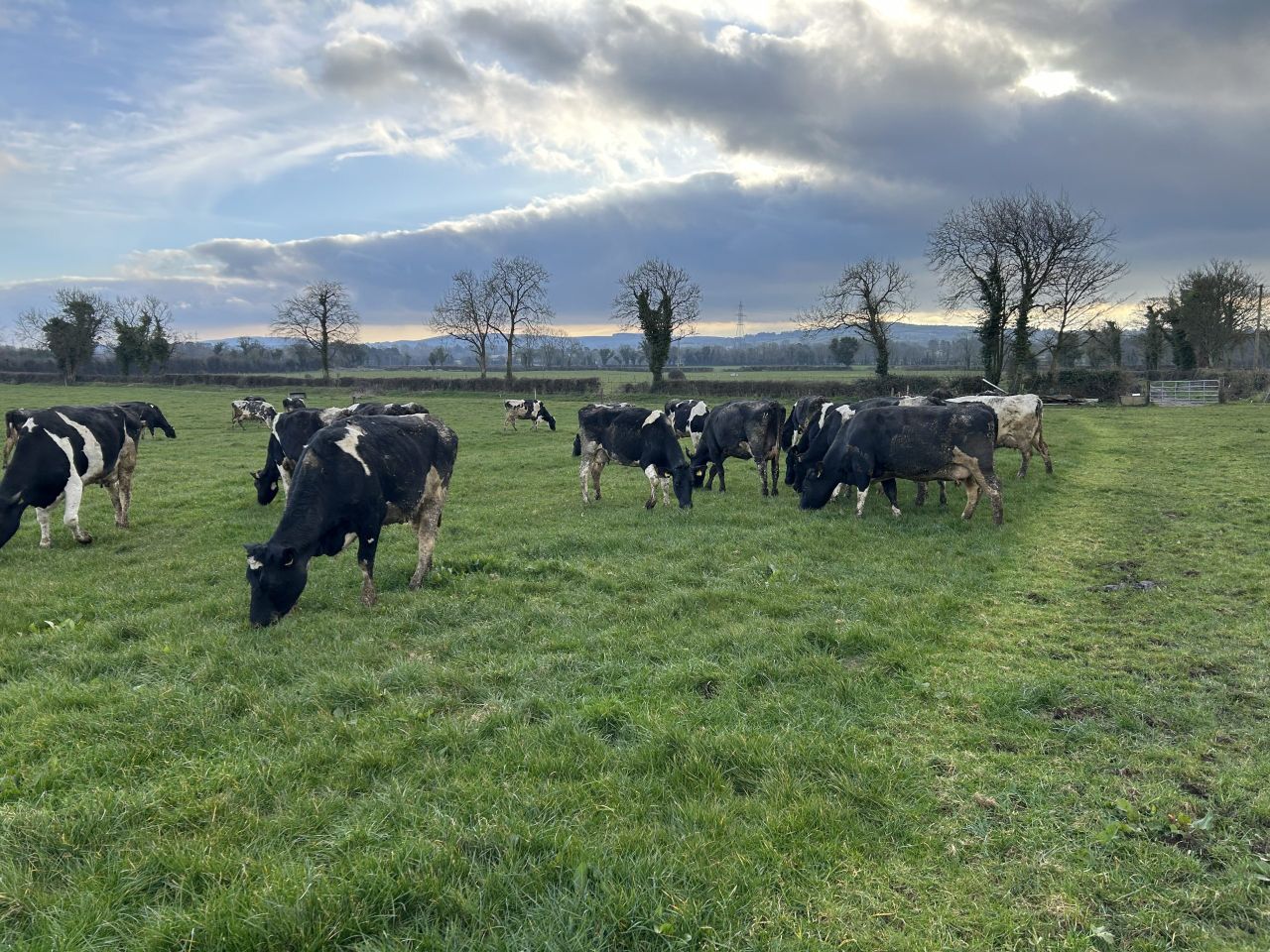
The whole spring grazing situation is still a mess after one of the wettest springs we have had in quite a while, with some farms on their second rotations while others are still struggling to start.
As it stands, average farm cover (AFC) is sitting at 770kg dry matter (DM)/ha.
Growth is nearing 40kg DM/ha but predicted to reach as far as 50kg DM/ha this week coming, with Met Éireann forecasting a dry spell.
According to PatureBase Ireland, 23% of farms have an AFC of less than 650kg DM/ha, while 35% of farms still have an AFC of more than 800kg DM/ha.
The mean AFC for the 35% of farms above 800kg DM/ha is 943kg DM/ha, which is highlighting the issues some farms are having getting to grass.
Meanwhile, the 23% of farms below the 650kg DM/ha mark have a mean AFC of 582kg DM/ha, which shows there has been issues with overgrazing.
Grass walks
At this stage of the season, farmers should be out walking the farm regularly to asses their grass covers.
It is clear some farms have been allocating more than what is actually growing, which is now causing problems with grass availability and potentially driving some herds back inside.
That is why carrying out weekly grass walks is such an important tool during spring grazing, letting farmers accurately measure grass availability as growth fluctuates.
It is also worth drawing up grass wedges and grass budgets to help decide the best course of action in terms of allocations and supplementation while you look to push the AFC out to 650kg DM/ha without hampering milk production.
For these overgrazed farms, keeping on track with nutrients should also be a priority, aiming for 100kg nitrogen (N)/ha by early May - assuming that these are dry farms with 75kg N/ha already spread.
It is also important to remember sulphur at this time of the year, aiming to have 20kg/ha spread on grazing land by July 1.
Wet farms
Wet farms should also be carrying out grass walks, particularly for the reason that a lot of paddocks will have surpassed 2,000kg DM/ha.
Ideally farmers should be considering removing these paddocks from the rotation and setting them aside for silage in May, which will be well needed considering how much stocks have been depleted.
These farms should then be trying to maximise allocations, but considering the majority of the herd will have calved down by now, they will not be long driving through grass once the ball gets rolling at all.
It may also be an option to consider turning out replacement heifers, but we must still be careful to not overgraze, especially if taken paddocks out for silage.
These wet farms will still have damage control on the forefront. Using methods such as strip grazing and ensuring infrastructure is optimal, whether that be multiple access gaps or spur roadways.