EU set to back state aid support to tackle fertiliser and fuel costs


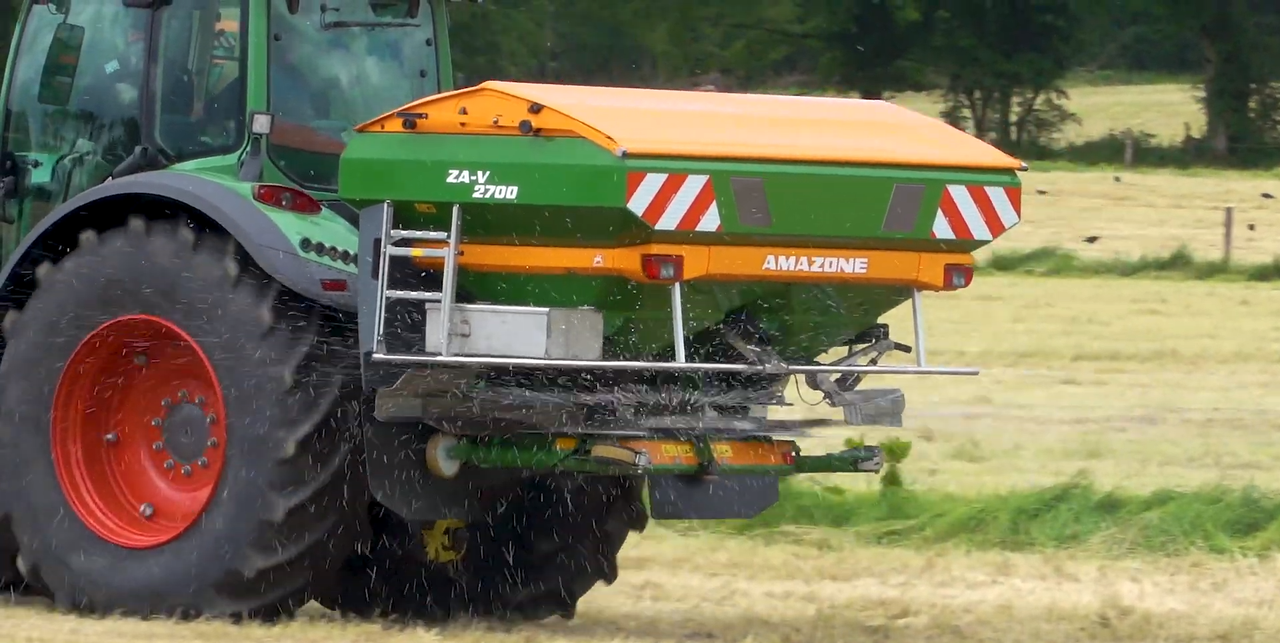
The European Commission looks set to back enhanced state aid in EU member states for farmers to tackle fuel and fertiliser costs.
A leaked draft document from the commission says that increases in fertiliser and fuel costs have been so steep that additional measures beyond what is already possible under state aid rules should be considered, due to the impact of the Iran crisis.
Any additional measures put in place by a member state would be temporary, the document says.
It should be noted that this is only a working document at this stage and it has not been officially endorsed by the commission.
Additional measures would allow countries to address the specific unexpected, sudden, and significant cost increases which risk the ceasing of economic activity across the sector of primary production of agricultural products.
The document notes that the sector is highly vulnerable to input price shocks due to a number of factors, including seasonality and a limited ability to adjust at times like this.
The document warns that difficulty in purchasing fertiliser or fuel "might have remarkable effects on the entire yearly production, jeopardizing the economic activity of companies active in the sector".
This could lead to the whole growth trajectory of the sector being impacted over the course of a number of years, the document says.
Any additional temporary measures that member states put forward will be considered consistent with state aid rules only if they fulfil a number of conditions.
The aid would have to be granted on the basis of a scheme with an estimated budget. It would also have to be paid out before a certain date.
The aid can be made available under direct grant; tax and payment advantages; and repayable grants where the farmer would pay back the money later on.
Irrespective of the method of how aid is are made available, the total grants paid to an single beneficiary would have to comply with "the applicable" aid ceilings under state aid rules, the document says.
It is not clear from the document whether this condition applies to the ceiling for state aid a beneficiary can receive; or the ceiling of state aid a country can pay out.
In the agriculture sector, a beneficiary can only receive state aid up to the amount of €50,000 over three years. As well as that, Ireland is limited to paying out €277 million in state aid for agriculture over three years (the national cap).
These ceilings come under the EU's de minimis regulation for state aid. However, the draft document appears to indicate that the aid that states would be allowed to provide would be complimentary and additional to measures that are already possible, including de minimis state aid.
Under the draft proposal, the aid would cover a portion of up to 50% of the extra costs in fuel or fertiliser derived from market disruption directly caused by the Iran crisis. That aid would be granted for a specific eligible period, based on the beneficiary's fuel and fertiliser consumption.
The document appears to suggest that member states could make a payment without individual assessments of consumption, but in that case the €50,000 limit mentioned above would apply.
The aid would not be fixed to productivity.
If the aid is being provided by a repayable measure, it can cover 100% of the additional costs, rather than 50%.
The document says that member states would be allowed to make an advance payment before verifying the beneficiary's eligibility, which would then be clawed back if any eligibility issues arose.