Fencing is ‘a frontline biosecurity and disease prevention measure’ - AHI

As part of National Biosecurity Week, Animal Health Ireland (AHI) is focusing on the importance of secure boundaries in preventing disease spread between neighbouring farms and other fragmented land blocks.
AHI said that boundary security is a key part of farm biosecurity, “particularly for farms operating across multiple out-farms, fragmented holdings, or those dairy farms with separate milking and grazing blocks”.
It added: “Fence-line contact between cattle from neighbouring farms remains a significant disease risk, particularly for diseases such as bovine viral diarrhoea (BVD), infectious bovine rhinotracheitis (IBR), and bovine tuberculosis (bTB), where nose-to-nose contact can allow infection to spread between herds.”
AHI urged farmers to inspect and maintain boundary fences, gates and access points, "particularly where high-risk stock such as early pregnant heifers and cows are grazing".
It said: “Break-ins and break-outs involving livestock can quickly lead to unwanted mixing of animals, even for short periods, significantly increasing the risk of disease transmission and breeding disruption.”
Key advice
AHI’s key advice on the subject includes:
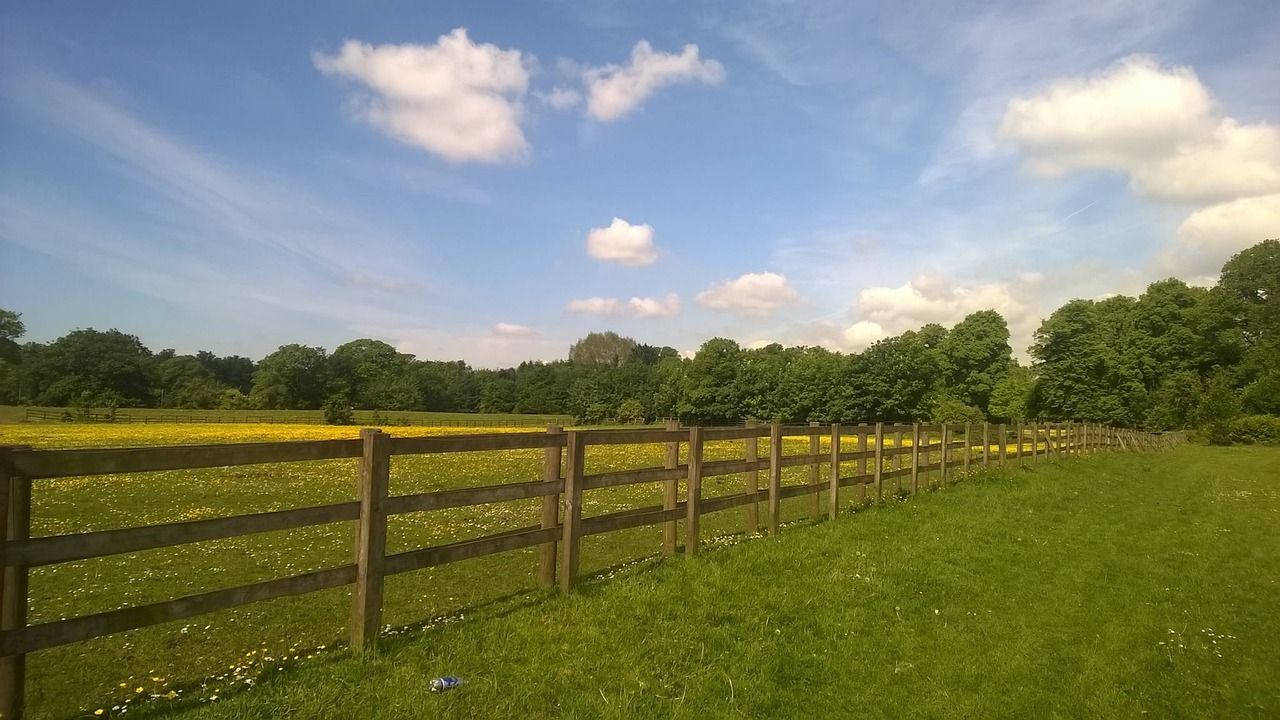
- Fence it out, stamp it out: Maintain strong, biosecure perimeter fencing (stone walls, ditches, fences, etc.) to prevent animal contact. In high-risk areas this may mean deer fencing;
- Break-ins / break-outs: Inspect and mend fences and gates regularly to avoid livestock escapes or unwanted access;
- Avoid the unwanted neighbour: Minimise nose-to-nose and aerosol contact across fence lines; a 3m ‘no man’s land’ between double fences will eliminate this risk;
- High-risk cattle: Protect early pregnant heifers and cows from unnecessary exposure - do not graze stock in the first four months of pregnancy (e.g., up to September 1) near boundaries to prevent BVD persistently infected (PI) infection;
- Farm fragmentation: Extra vigilance is needed where stock move between out-farms and the main holding. This applies on contract-rearers’ holdings also.
Commenting on the final day of the biosecurity campaign, Dr. Liam Doyle, AHI programme manager said: “Good fencing is more than a boundary or a way of keeping cattle in or out.
“It is a frontline biosecurity and disease prevention measure.
"Preventing contact with neighbouring cattle is a simple but vital step in keeping diseases such as BVD, IBR and bTB out of your herd.”
“This is particularly important on fragmented farms and out-farms where stock movement and boundary risks can be greater. Protecting your herd starts at the fence line.”
AHI thanked farms, vets, and industry stakeholders for supporting the first-ever National Biosecurity Week and reiterated that biosecurity is for life, not just for one week.
Further resources on biosecurity can be found on the AHI website.