Research identifies 'unanswered questions' on peatlands

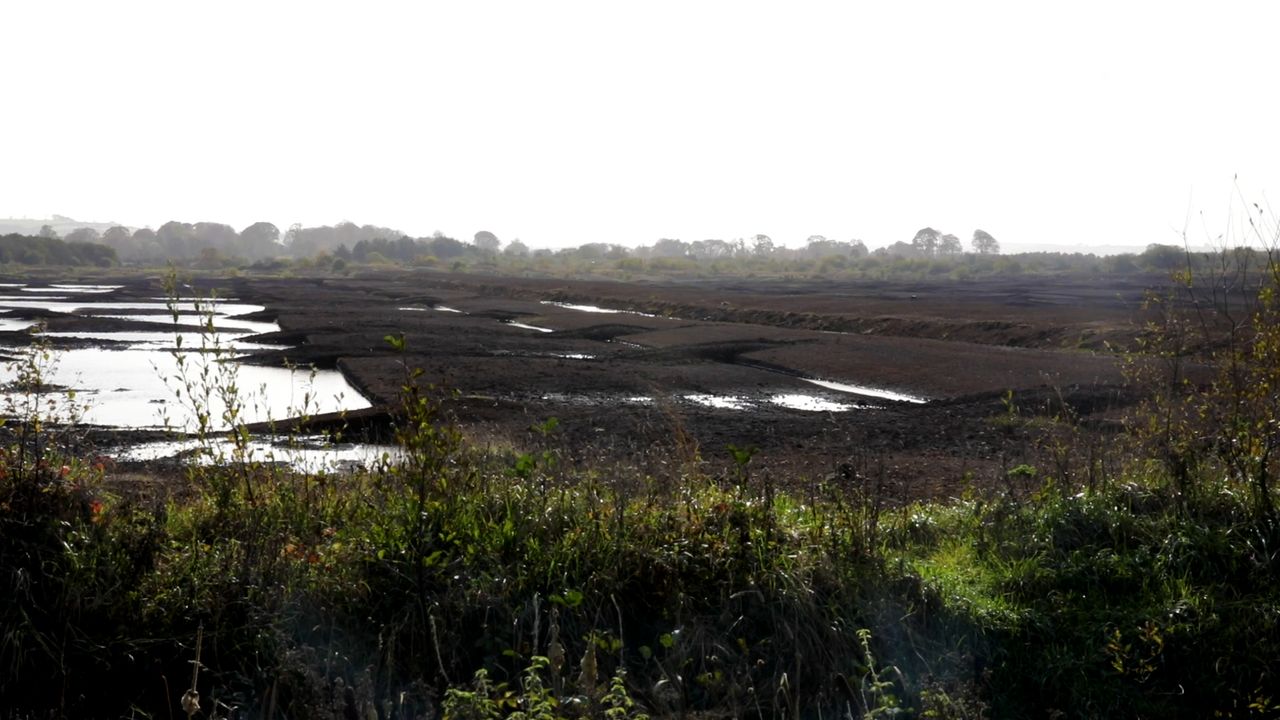
A new research paper published today (Tuesday, April 28) claims to identify "the most pressing unanswered questions" on peatlands.
The study is set to be published in the environmental science journal Communications Earth and Environment.
It involved researchers from both University College Cork (UCC) and Royal Holloway University of London, as well as other institutions from several other countries.
The researchers say peatlands are "increasingly central" to climate action, but "some of the most basic questions" about how they function, recover, and respond to change "remain unresolved".
They say that those "uncertainties" around peatlands, including Ireland’s bogs - such as their climate resilience, the future of its biodiversity, and how best they can be managed - are the subject of the new research.
The researchers say they have identified the most pressing unanswered questions in peatland research.
The study brings together 467 participants across 54 countries, including Ireland, to determine which research questions matter most for understanding and protecting peatlands.
The researchers surveyed the views of these peatland experts, and said that the research highlights where scientific uncertainty is greatest and where new knowledge could deliver the biggest benefits for climate mitigation, biodiversity conservation, and sustainable land management.
Peatlands
Ireland has the second highest proportion of peatland cover in Europe, with approximately 21% of our land area composed of peat.
It is estimated that Irish peatlands store 2,216 mega tonnes (MT) of carbon, making them one of Ireland's largest natural carbon stores.
Despite their importance, "notable gaps" persist in understanding how peatlands respond to climate change; how restoration efforts perform over decades; and how best to balance environmental protection with the needs of local communities who depend on peatland landscapes, the researchers said.
The research team conducted a "structured global survey" of peatland scientists, practitioners, and policy experts.
Participants were asked to propose the most important unanswered questions in peatland research, spanning disciplines from ecology and hydrology to biogeochemistry, climate science, and social science.
The final list of questions "reflects broad international input and captures priorities across boreal, temperate, and tropical peatlands" from bogs in Europe to peat swamp forests of Southeast Asia and the Arctic tundra.
Some of the questions highlighted by these respondents include:
- How will climate change impact the carbon balance, carbon storage capacity, and greenhouse gas emissions of peatlands?
- What is the resilience of peatland ecosystems across different climate zones and conditions?
- How do management practices during peatland restoration affect carbon fluxes?
- How can remote sensing be used to identify and map peatland areas, estimate peat depth, carbon storage and fluxes?
- What policy frameworks and improvements at international and national levels are needed to effectively protect, conserve, and sustainably manage peatlands long-term?
- How can global environmental initiatives incentivise peatland management in "equitable and just ways" while optimising climate, biodiversity, and ecosystem services?
Commenting on the study, Dr. Michelle McKeown, lecturer in Environmental Geography at UCC and co-author of the study, said: "In Ireland, we’re dealing with landscapes where up to 80% of our bogs have already been degraded.
"Restoration is often framed as simply rewetting, but it’s far more complex than that. These systems have been shaped by decades of drainage and extraction.
"These priority questions are essential if we want restoration to genuinely reduce emissions, support biodiversity, and deliver long-term climate benefits," Dr. McKeown said.
The authors of the study hope the priority list will be used by the peatland research community, funding agencies, research institutions, and policymakers to "guide collaboration".
The researchers claim that answering these priority questions is "no longer optional".