EU ministers raise potential of using CAP to prevent wildfires

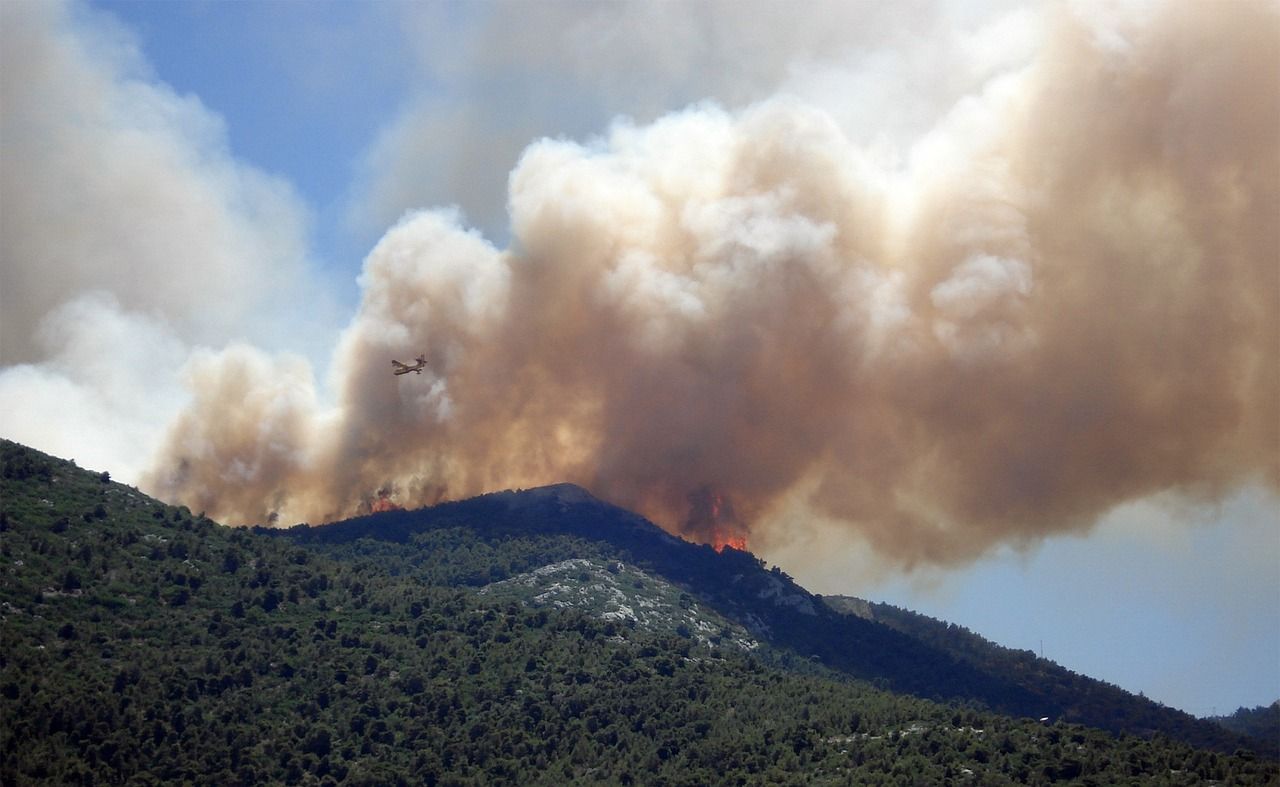
EU agriculture ministers have raised the possibility of using the Common Agricultural Policy (CAP) as a way to better prevent wildfires.
At a meeting of agriculture and fisheries ministers in the Council of the EU yesterday (Monday, April 28), some ministers suggested using CAP, and other funding instruments, to better incentivise the prevention and management of wildfire risk, and to enhance "landscape resilience".
According to a statement from the council after the meeting, ministers stressed that the focus should be on preventing wildfires, and they emphasised that the future long-term budget for the EU, the Multiannual Financial Framework (MFF) "needs to ensure that the CAP continues to provide financial support for active landscape management and sustainable forest management".
The council said that measures to be considered include nature restoration, the removal of combustible material, water retention measures, creating buffers, and stabilising soils.
The ministers also said that wildfire prevention should be based on regional and local conditions, which "vary considerably among the member states", and that member states should have the flexibility to adapt measures to their national and regional conditions.
The discussion took place in response to the commission's communication on integrated wildfire risk management, which responds to "growing urgency of wildfire risks across the EU", and which the commission published in March.
The commission's opinion on the issue referenced the "full risk management cycle" from prevention, preparedness and response to recovery, while covering ecological, economic, social and cultural dimensions.
The council said that wildfires in the EU are increasing in frequency, scale and destructiveness. In 2025, more than one million hectares burned, an area bigger than Cyprus.
The council also said that fires are no longer limited to southern Europe but are also affecting central, northern and eastern regions.
"Their impact is wide-ranging, including loss of life, damage to ecosystems, biodiversity loss, reduced air quality and significant consequences for agriculture, forestry and infrastructure. Annual economic damage is estimated at around €2.5 billion," the council said.