Critical week for securing optimal disease control in winter crops - agronomist

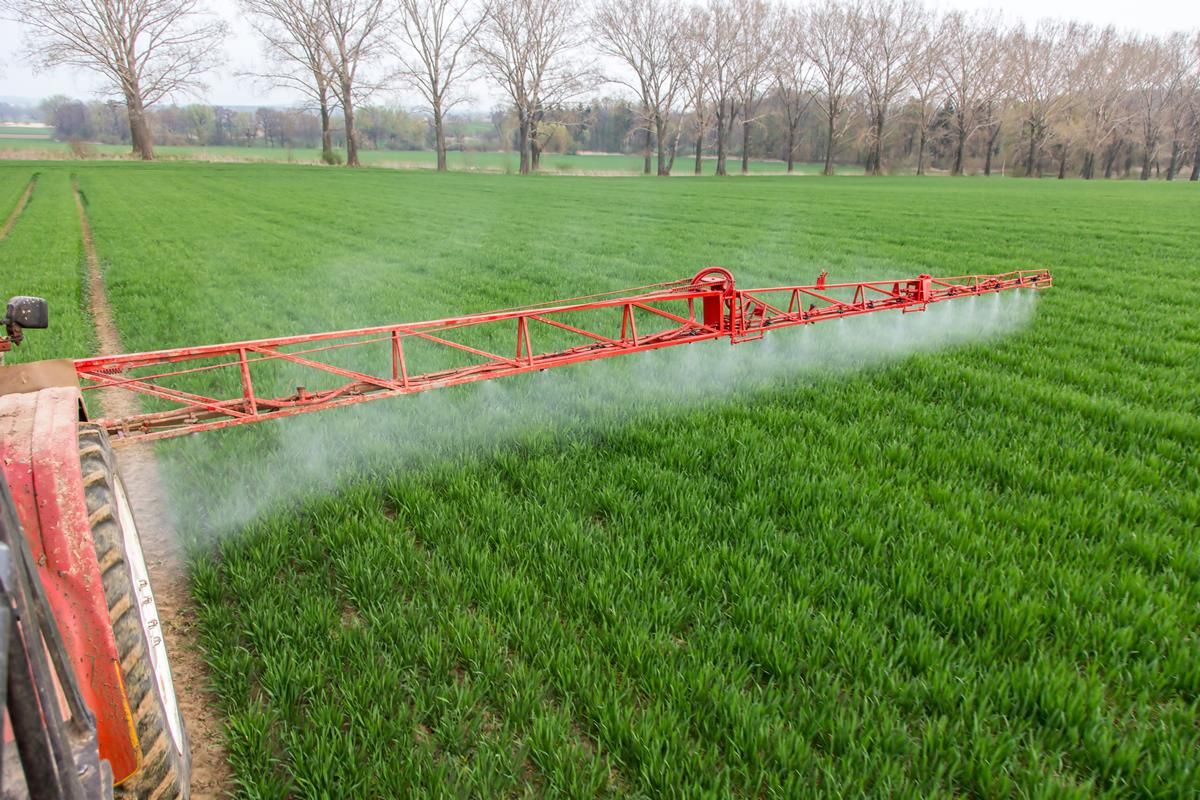
Securing optimal disease control in winter crops at this stage in the growing season is critical in determining their final yield potential.
And according to Teagasc tillage specialist, Shay Phelan, all the planets have pretty much aligned to make this objective a reality in 2026.
He explained: “Winter wheat crops will reach the all important leaf three stage this week. And where winter barley is concerned, awns peeping will be realised over the coming weekend.
"These are critically important growth stages when it comes to determining the effectiveness of the disease control strategies implemented by tillage farmers.
“Aiding their cause over the coming days is the fact that ground and weather conditions will be absolutely perfect from a spraying perspective."
The Teagasc representative confirmed that all cereal crops have responded well to the much-improved weather conditions of recent days.
He said: “The core challenge facing cereal growers is to make sure they make best use of the fungicides they will be suing to control disease levels within their crops over the coming days.
“Timing is crucial in this context, as is the need to apply these products in ways that ensure optimal use is made of them.”
Herbicide resistance
How to make best use of fungicides, herbicides, and plant growth regulators has been a key discussion point at the ongoing series of Teagasc spring crops walks.
Phelan said: “The growing resistance of crop diseases and weeds to agrochemicals is now a major challenge to Ireland’s tillage sector.
“And it’s important that we retain the various herbicide and fungicide chemistries that are left available to growers.”
The growing resistance shown by populations of spring germinating wild oats is of key concern in this regard.
Since 2019, Teagasc has been monitoring herbicide resistance in spring-germinating wild oats.
Up to 2024, 123 suspect populations were tested, with 57 (46%) confirmed resistant to one or more ACCase herbicides.
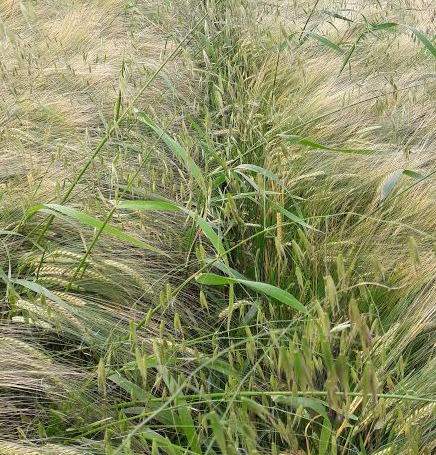
In 2025, 49 suspect wild oat populations were submitted for testing. Alarmingly, 38 (78%) were confirmed resistant, showing a significant increase and the emergence of new resistance patterns compared to previous years.
Most resistant samples came from Co. Wexford (27), followed by Carlow (3). Laois, Kilkenny. and Wicklow each had two cases, while Dublin and Cork had one each. Around 90% of the resistant populations originated from spring barley fields.
Wild oats, like blackgrass, are noxious weeds. Cultural and non-chemical control methods such as crop rotations, stale seedbeds, hand rogueing, machine hygiene, and on-farm biosecurity should form the first line of defence.
Herbicides should be used judiciously and in heavily infested fields.
More drastic measures, such as crop destruction, whole cropping or the use of grass leys, may be needed to prevent further spread.