Report reveals threat to food industry due to 'uneven progress' on gender balance

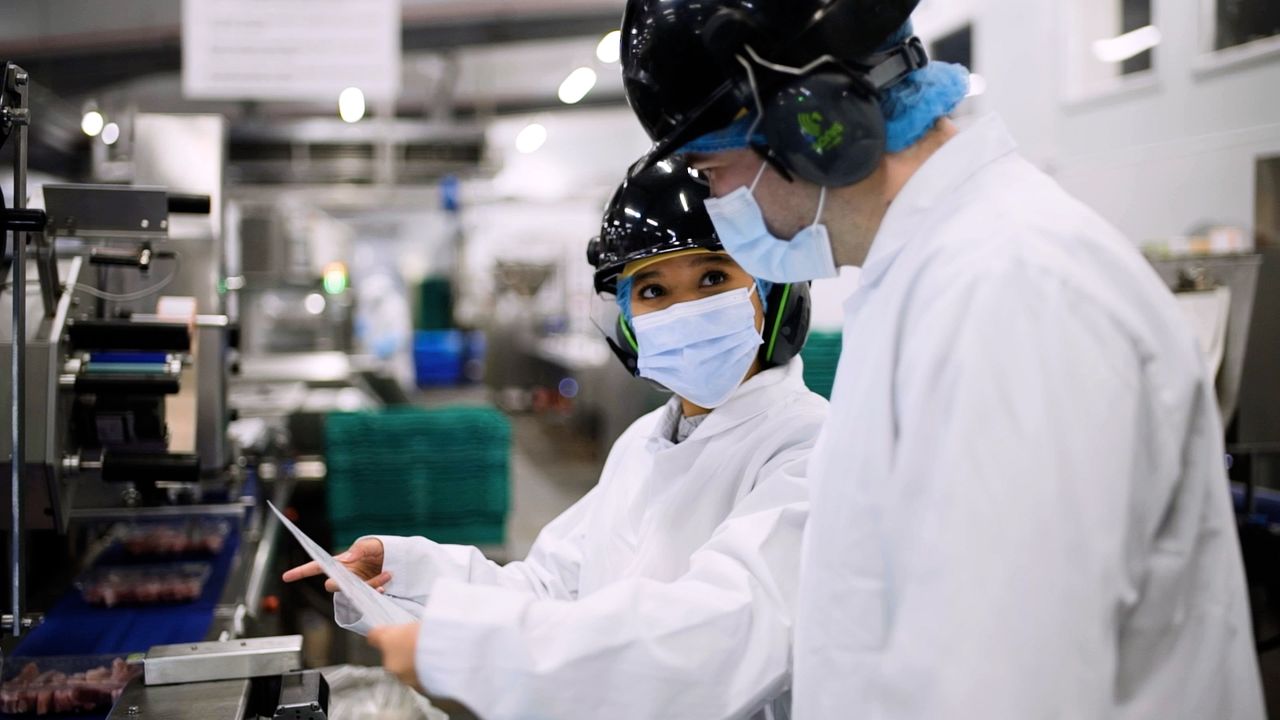
Uneven progress on gender balance across organisations is "threatening to undermine" efforts to boost recruitment and attract talent in the food industry, a new report reveals.
New research from Meat Business Women (MBW) shows that while some organisations are making "measurable progress" on gender balance, others are "standing still, creating a gap that is threatening to compound the productivity crisis".
MBW is the global professional network for women working across the meat industry.
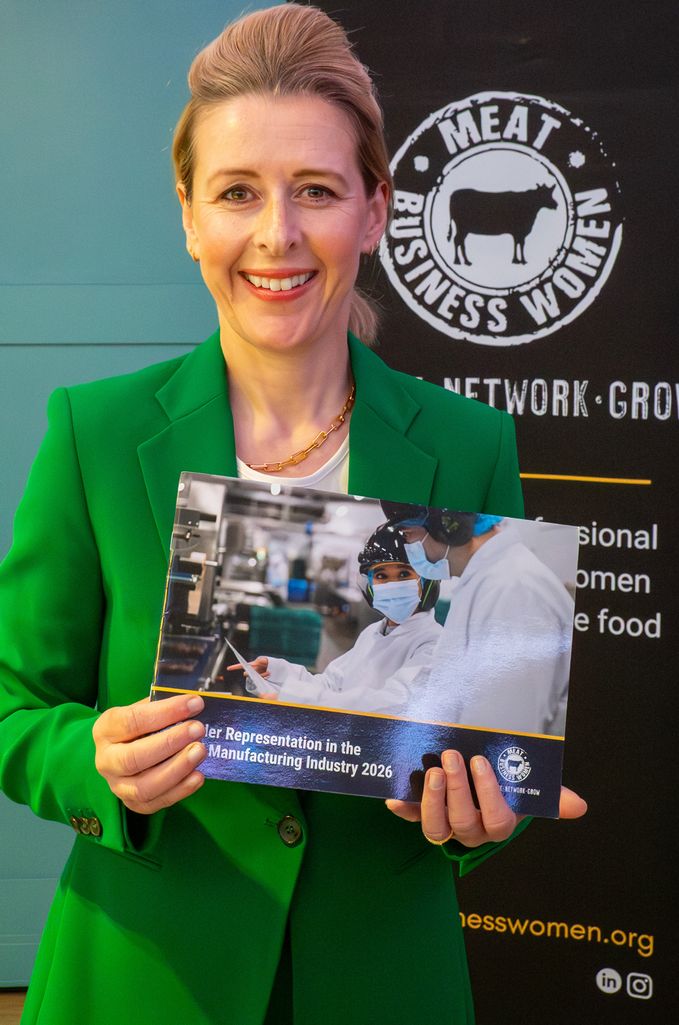
It has today (Tuesday, May 26) published a new report, Gender Representation in the Food Manufacturing Industry 2026.
The report is the meat industry’s most comprehensive benchmarking report on gender balance, MBW said.
This year's report includes the entire food manufacturing sector, spanning meat, dairy, seafood, ready meals, produce, bakery, and ingredients.
Workforce
Laura Ryan, global chair of MBW, said the report found that women make up 46% of the workforce in leading organisations, compared to just 26% in lagging businesses, showing a 20 percentage point difference.
"This divide is visible at six out of seven career ladder stages," she said.
"At entry level, women represent 47% of the workforce in leading organisations compared to 26% in lagging ones.
"At first-line manager level, the gap remains significant, with 40% women in leading organisations versus 25% in lagging."
Ryan said this "sustained gap" is reducing the industry’s future leadership pipeline, "limiting the progression of women into senior roles, and reducing the diversity of talent available at the top".
"This is no longer simply an industry-wide challenge, but increasingly a reflection of individual leadership choices," she said.
“We can see that organisations that are making the most progress treat gender balance as a commercial priority rather than just a HR initiative.
"They measure representation and progression and act on the data, strengthen early career pipelines, particularly at the first leadership step, and embed flexibility in practice rather than policy alone.
"Conversely, the data shows that those that are not taking deliberate action risk falling behind on capability, culture and competitiveness."
Charter
The Food Business Charter demonstrates MBW's and its signatories' commitment to advancing gender balance.
Businesses signed up to the charter and partners of MBW outperform non-participants across four out of the seven career stages, including the critical transition into leadership, according to the report.
To meet the charter’s ambition of 40% female representation by 2035, the report highlights the need for consistent, measurable progress.
In practical terms, this requires the equivalent of a 0.6% annual increase in women entering and staying in the workforce, alongside action to ensure women progress at the same rate as men.
Closing the gap
Closing this gap will require sustained, industry-wide action and a clear commitment from leadership to turn insight into measurable change, according to the report.
Laura Ryan added that women currently represent around a third of the sector's workforce, highlighting a "clear opportunity" to strengthen representation across the industry.
"The opportunity sits early in the pipeline, particularly at the first move into leadership, where organisations taking deliberate action are already building stronger and more balanced pipelines," Ryan said.
“The evidence is clear: progress is driven by leadership.
"When leaders are intentional about how people progress and apply practical, measurable strategies day-to-day, we see real change.
"Those who fail to act risk leaving talent and value on the table, while those who move forward strengthen performance, productivity and growth."
Speaking as the report was launched, Richard Wood, category director of meat, fish, poultry, eggs and dairy, Tesco said that building a resilient, future-ready supply chain "depends on the strength and diversity of the people within it".
“A more balanced workforce is closely linked to capability, resilience and long-term performance, and we’re seeing that suppliers taking structured, deliberate action are better positioned for the future," Wood said.