'Local need' rural planning rules 'difficult to defend' - TD
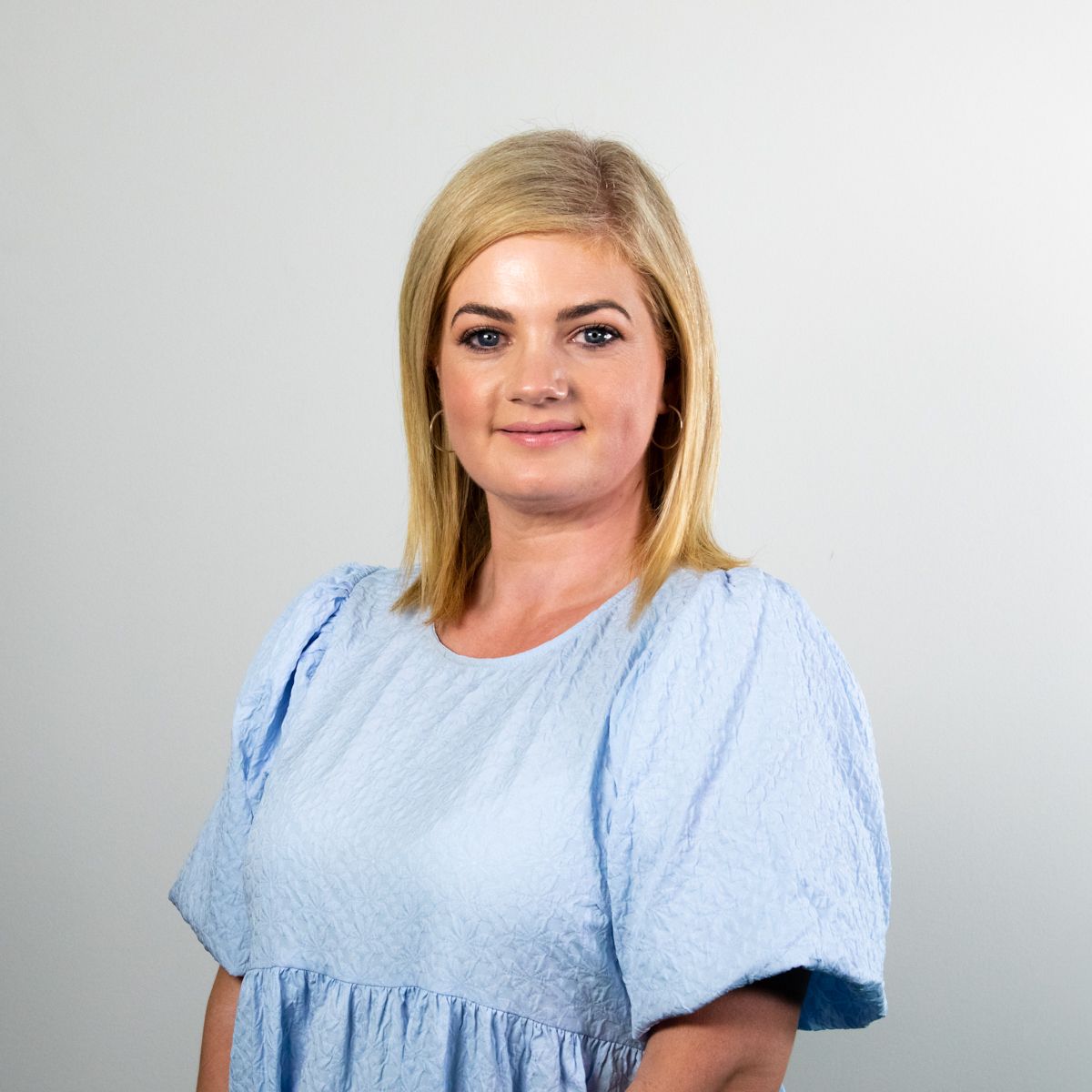
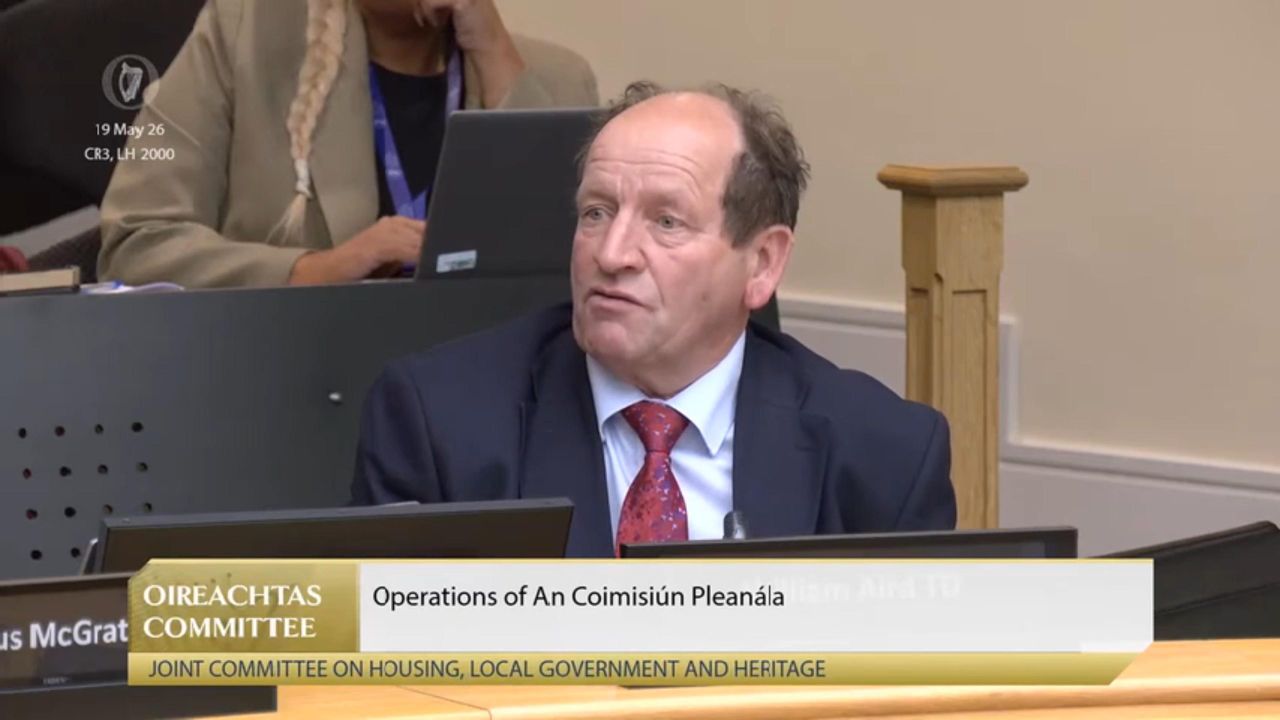
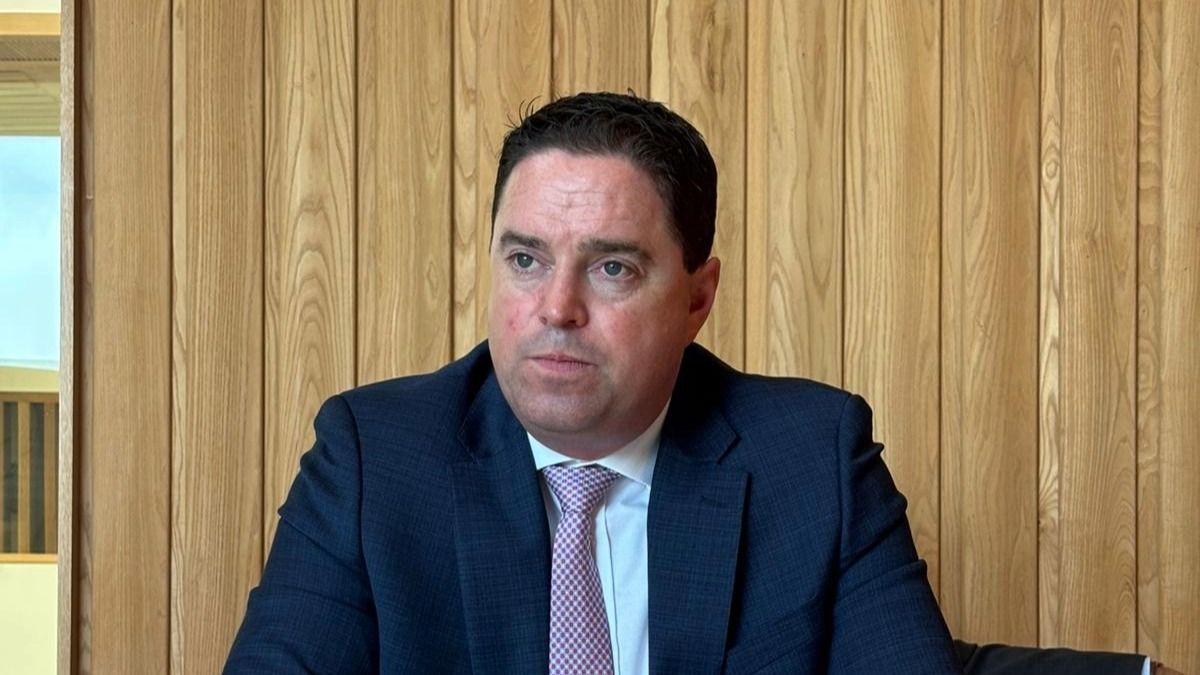
Laois Fine Gael TD William Aird has raised concerns about planning delays, rural housing restrictions and the operation of “local need” rules.
He raised the issues during a meeting of the Joint Committee on Housing, Local Government and Heritage with representatives of An Coimisiún Pleanála.
Deputy Aird said lengthy delays in the planning appeals process are placing huge pressure on families and individuals trying to build homes.
“We all gave out stink about An Bord Pleanála over the years because of the delays," he said.
"When I was on Laois County Council, people often tried to avoid appeals entirely because they were afraid of how long decisions would take.
“No planning decision should take 17 months. During that time, the cost of building can increase massively and it leaves families completely stuck in limbo.”
During the committee meeting, representatives from An Coimisiún Pleanála confirmed that 94% of rural housing cases in 2025 were dealt with within the statutory 18-week timeframe.
“The biggest fear people had was that once an appeal went in, it could drag on for months or even years," Deputy Aird dded.
"It is welcome to hear improvements are being made, but there is still a long way to go."
The TD also raised concerns about the operation of “local need” policies in rural Ireland, warning that the rules are becoming increasingly difficult to defend.
“Local need is a huge issue in rural Ireland and the goalposts seem to change the whole time,” he said.
“We are trying to keep rural communities alive, keep schools open and keep young families in our areas, yet people are being told they cannot build in the communities where they grew up.”
Deputy Aird said many people who had spent decades contributing to their local communities would struggle to get planning permission today.
“I know people who were central to their local GAA club, church and community organisations for years who would not qualify under some of the current interpretations of local need," he continued.
"That simply cannot be right.
“There are cases where people spend €6,000, €7,000 or even €10,000 on reports, studies and planning costs, only to be refused later on appeal because someone decides their local need is somehow ‘stretched’.
"Behind every refusal is a real person or family who have invested their savings and their hopes into building a home.”
Planning
During the meeting, Erika Casey, director of planning at An Coimisiún Pleanála, confirmed that the department is currently reviewing Ireland’s rural housing guidelines, describing the existing guidelines as “very old and out of date”.
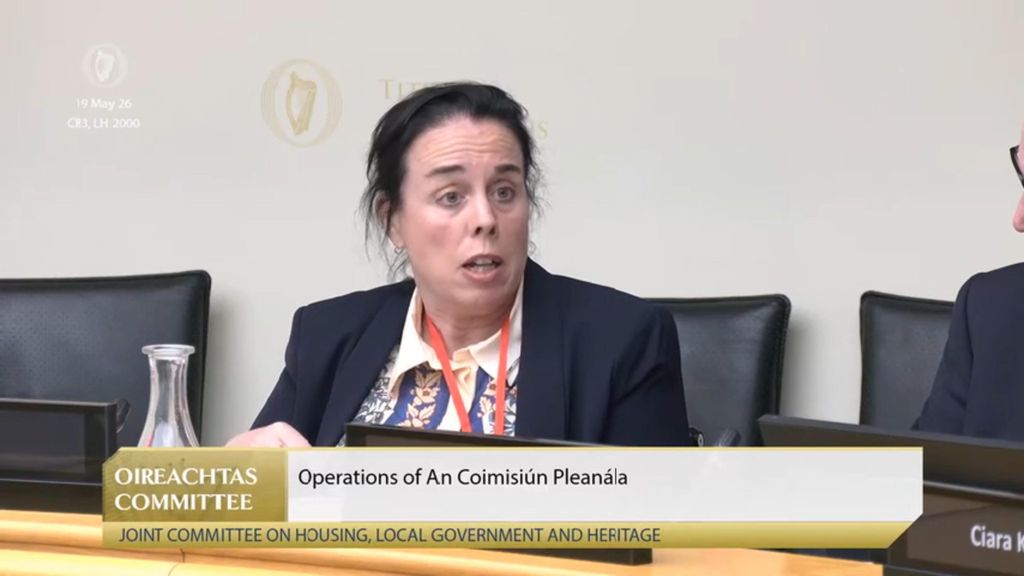
Deputy Aird said the review must result in a fairer and more practical approach for rural families.
“It is welcome that the rural housing guidelines are finally being reviewed because the current system is not working for many ordinary families,” he said.
“There now has to be a serious national discussion about local need and how we support rural communities into the future.
"We cannot continue with a situation where people born and raised in rural areas are being excluded from living there while villages and services continue to decline.”
He also acknowledged the work carried out by planners and staff within local authorities and An Coimisiún Pleanála.
“I have always found that planners work within the rules and guidelines they are given," the TD said.
"The problem is that the system itself has become too restrictive and too inconsistent for ordinary rural families."