Opinion: How the tillage sector can boost Ireland's food security

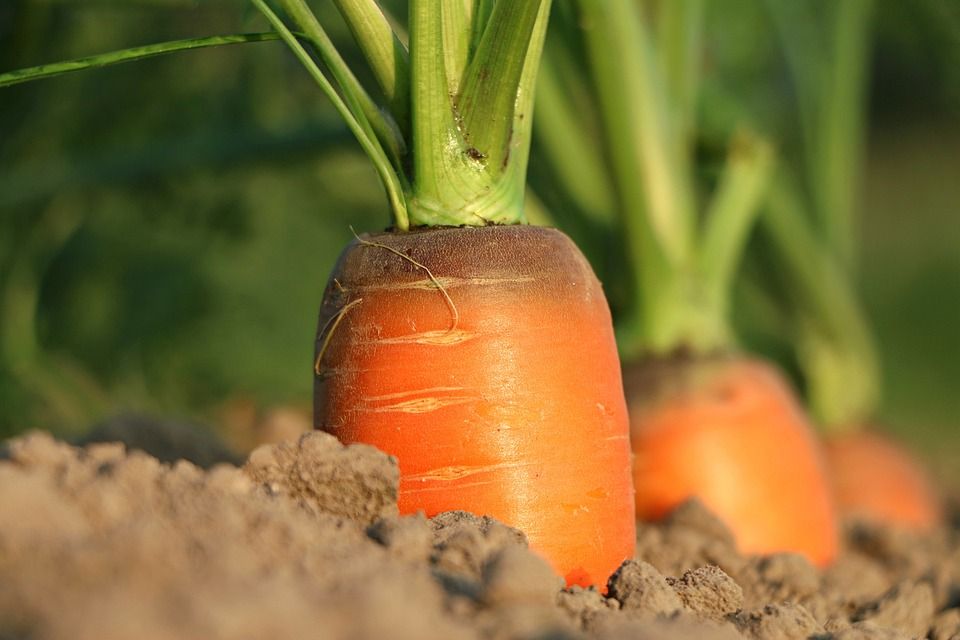
There is a widely held perception that the world is hurtling towards a cliff-edge in terms of its future food security, with many leading organisations citing threats from climate change and geopolitical instability.
Meanwhile, the Irish media reverts to naval-gazing exercises where this matter of international importance is concerned.
Organic farming and horticulture will not deliver the food security that Ireland needs into the future, never mind the rest of the world.
Yet, we continually have our airwaves filled with the voices of ‘enthusiasts’ owning a couple of acres telling us that they have the ability to feed the nation sustainably - if given the chance.
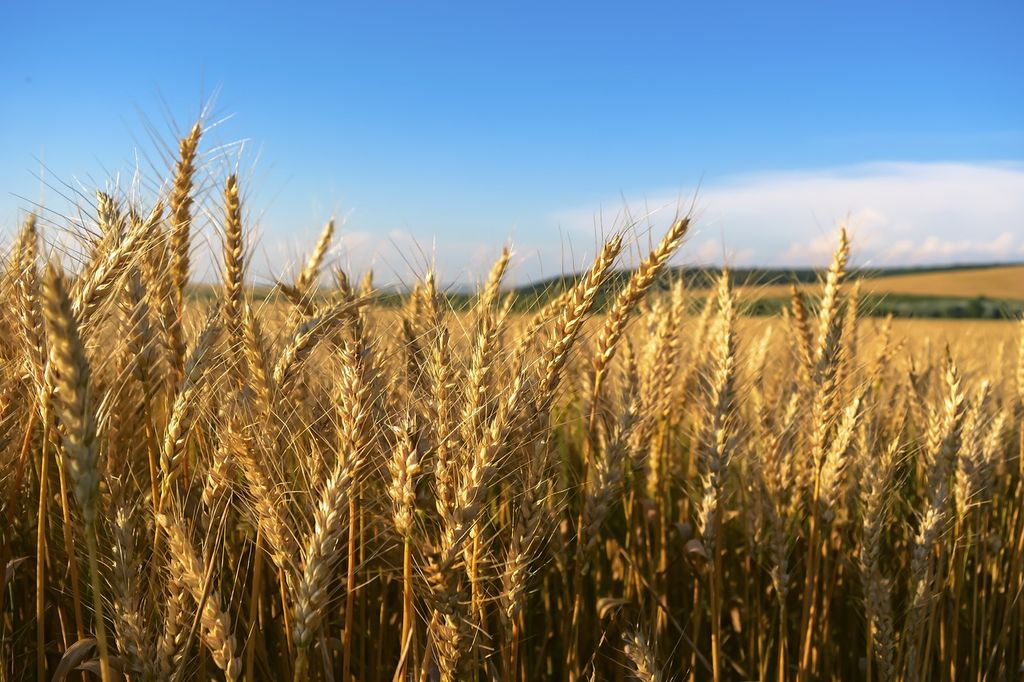
Yes, there is a place for this line of approach. But surely the big picture argument that must come from Ireland’s farming and food sector is a very clear one.
And it’s this: when it comes to the production of high quality protein and grains, we can help feed Europe and the rest of the world.
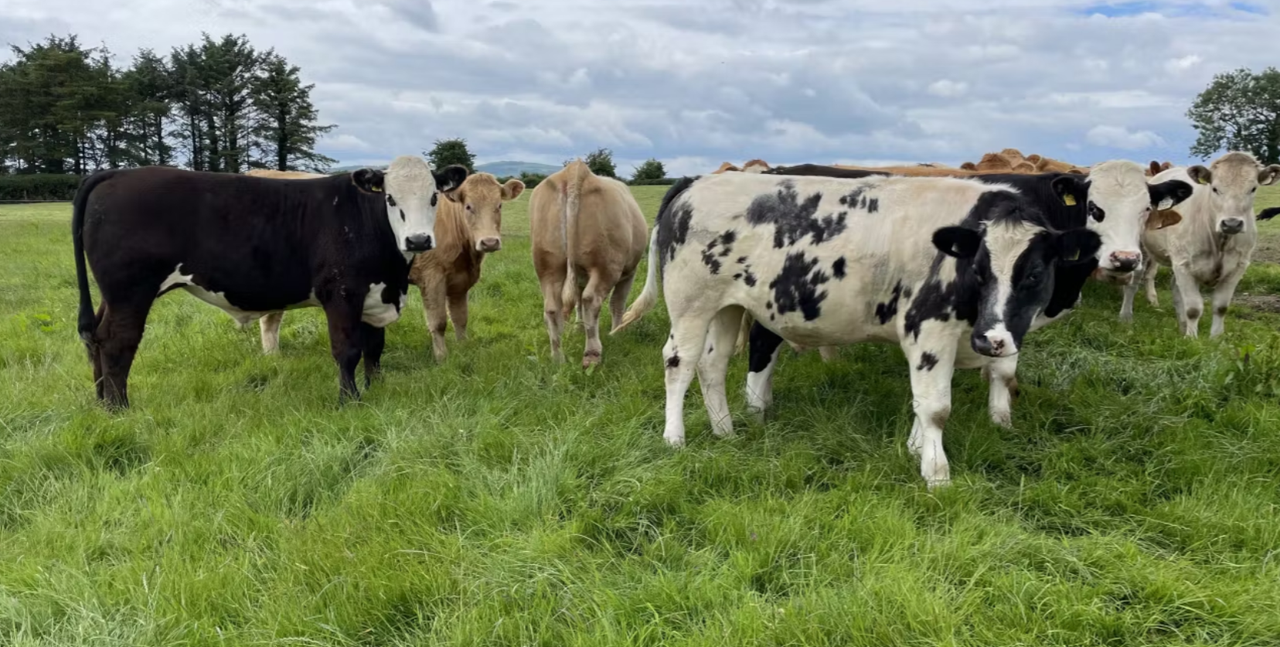
The fundamental fact keeps staring us in the face. Ireland has the most productive grasslands in the world. We can also grow crops with a yield potential that outstrips all of our competitors.
And we need conventional agriculture to make all of this work.
Crop production
And, herein, lies the intriguing point. The technologies that underpin our farming systems are changing at an exponential rate.
Gone are the days when grass and crops growth were secured on the back of chemical fertiliser and agrochemical sprays.
The growing use of clover in tandem with appropriate liming policies is helping to secure grass output levels that could only have been dreamt of a few years ago.
Meanwhile, crop production is bring driven by the development of new crop varieties that are resistant to a growing number of diseases. And this momentum will continue to build during the period ahead.
Irish tillage sector
The new future for farming and food in Ireland is that of an outward-looking industry that can deliver meaningful food security at both a national and international level.
But making this happen will require structural change within the industry. And this process must start with the securing of a better balance between the grass-based and tillage sectors.
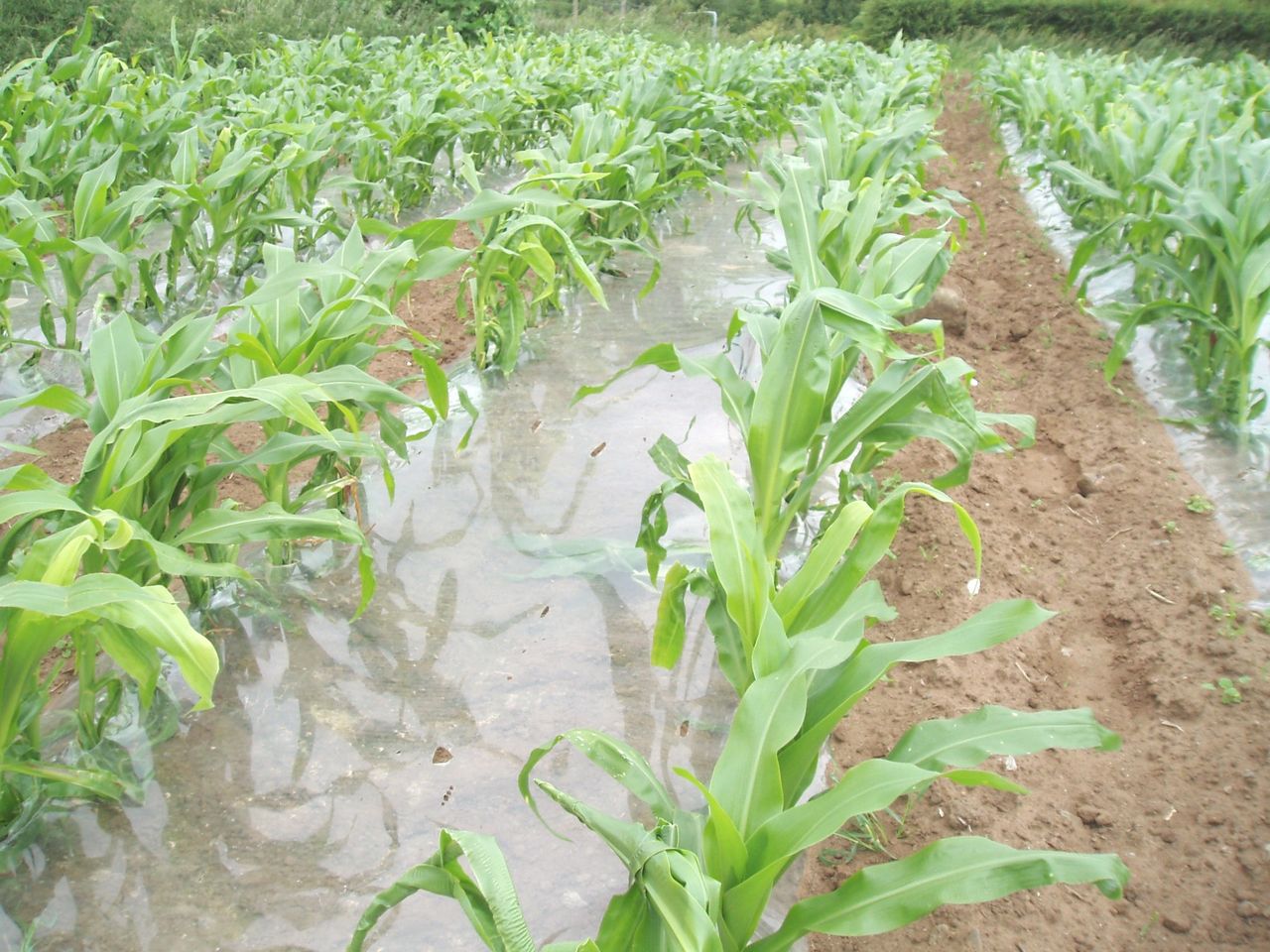
Growing more crops should be a national priority in its own right. But above and beyond this comes the environmental benefits that an enhanced tillage sector can bring.
Teagasc trials have already confirmed that crop production comes with an almost zero carbon footprint. But in addition, tillage land represents an almost invaluable utilisation opportunity for animal manures.
It all adds up to a win:win scenario for Irish farming and food.