New regenerative farming initiative gets underway

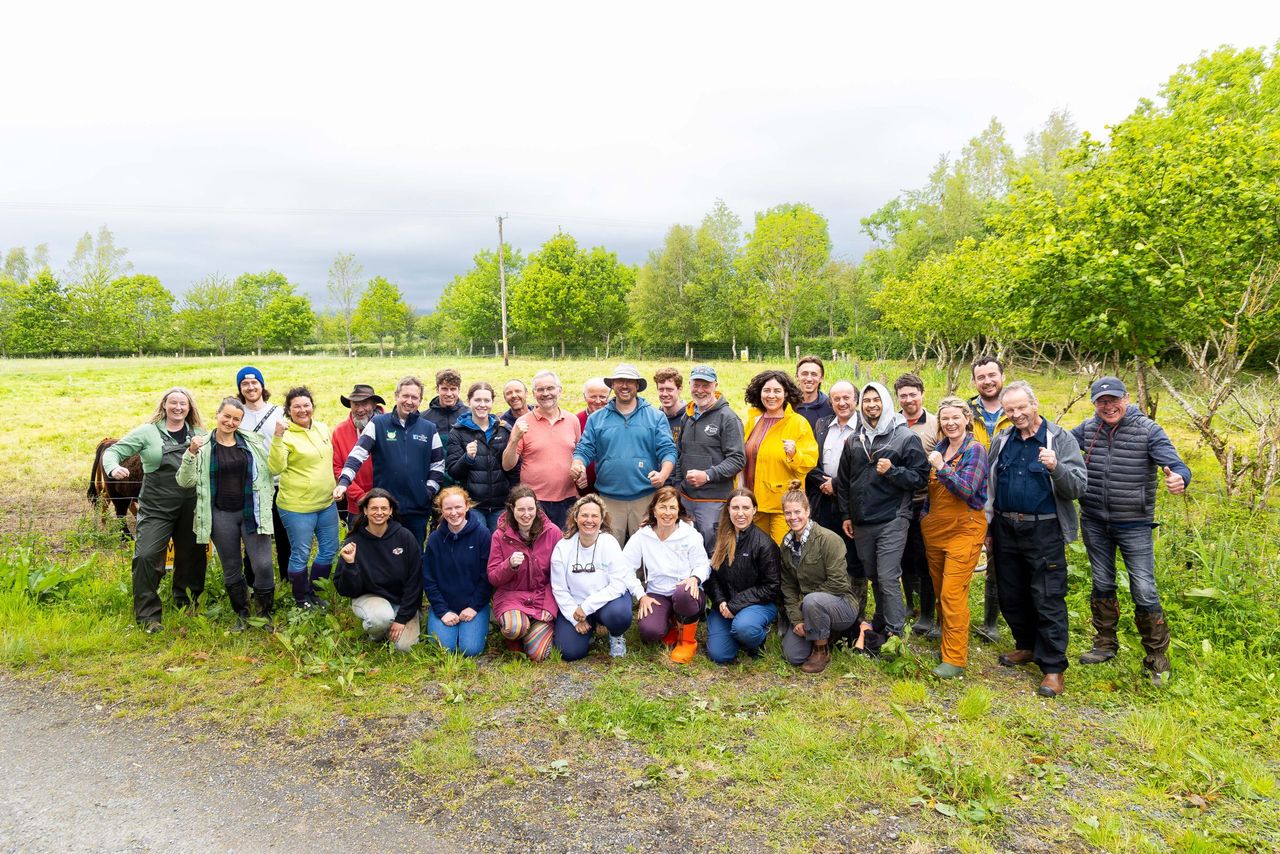
A new initiative to test how regenerative farming practices perform in Irish conditions is now underway across 20 farms nationwide.
The project, which will see international experts working with participating farmers, was officially launched at an agricultural monitoring training day in Clogheen, Co. Tipperary.
The project is called Regen Ireland, and is a European Innovation Partnership (EIP) co-funded by the EU and the Department of Agriculture, Food and the Marine.
The initiative will run for the next four and half years and will involve dairy, beef, sheep and tillage farms.
The organisers say the project will bring together farmers, international expertise and on-farm monitoring "to help build a stronger evidence base around regenerative agriculture in an Irish context".
The organisers describe regenerative farming as an approach to agriculture focused on improving soil health, increasing biodiversity and "strengthening the natural resilience of farming systems".
They also say that regenerative farming can reduce reliance on "costly external inputs such as synthetic fertiliser and chemicals, a particularly relevant topic currently due to the impact of the Straits of Hormuz crisis on fertiliser supplies and prices".
The Regen Ireland project will explore how these approaches may perform under Irish farming conditions, including their potential impact on areas such as soil health, biodiversity, water infiltration, farm resilience and long-term farm economics and sustainability.
The 20 participating farms are geographically spread across the country with representatives in counties Carlow, Cork, Galway, Kerry, Kilkenny, Laois, Limerick, Meath, Tipperary, Roscommon, West Meath, Waterford and Wexford.
The project’s initial advisory phase has involved on-farm consultations with regenerative agriculture specialists from US-based consultancy firm Understanding Ag, with participating farmers receiving "tailored guidance and recommendations".
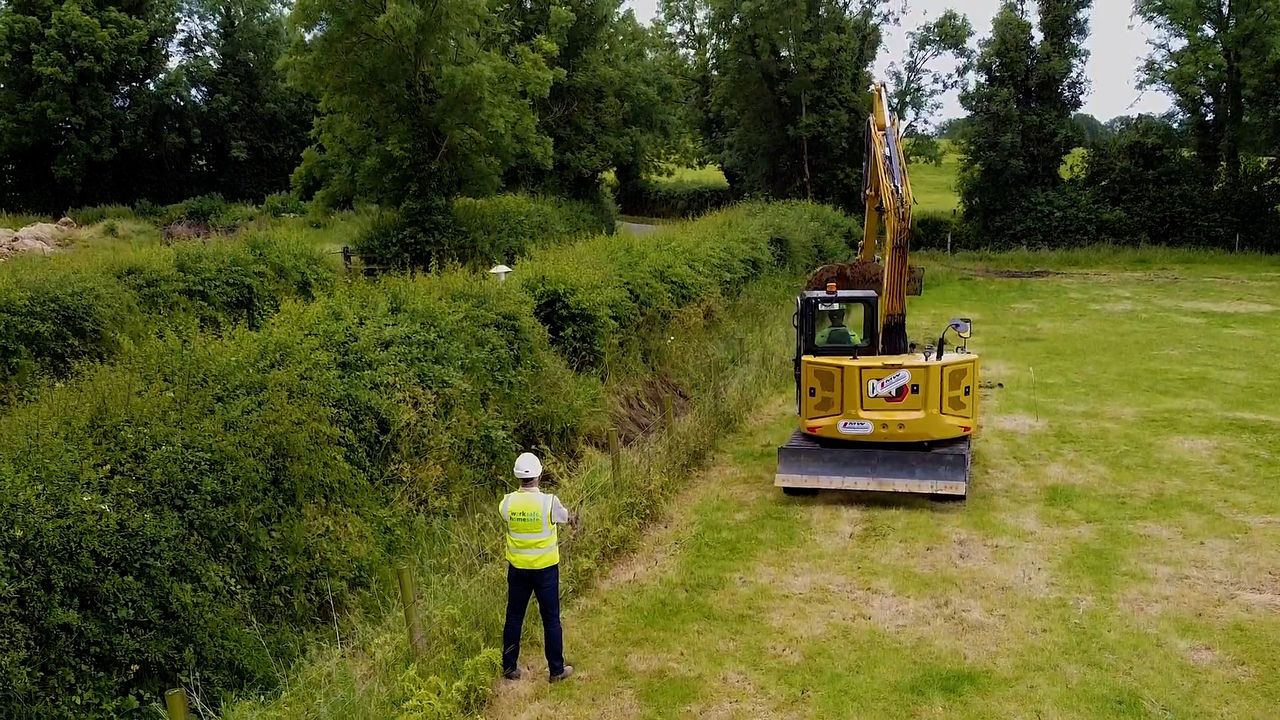
As part of the project’s next phase, scientist and regenerative farmer Dr. Jonathan Lundgren and his team are now visiting participating Irish farms to help roll out the project’s baseline monitoring and assessment programme.
Dr. Lundgren is the founder of Ecdysis Foundation, a US non-profit organisation aimed at promoting regenerative agriculture.
The monitoring process will play "a central role in the project", helping participating farmers gather observations and data over time to better understand how regenerative approaches may perform under Irish farming conditions, the organisers said.
This science will be a key part in supporting the trials on the project's 20 farms.
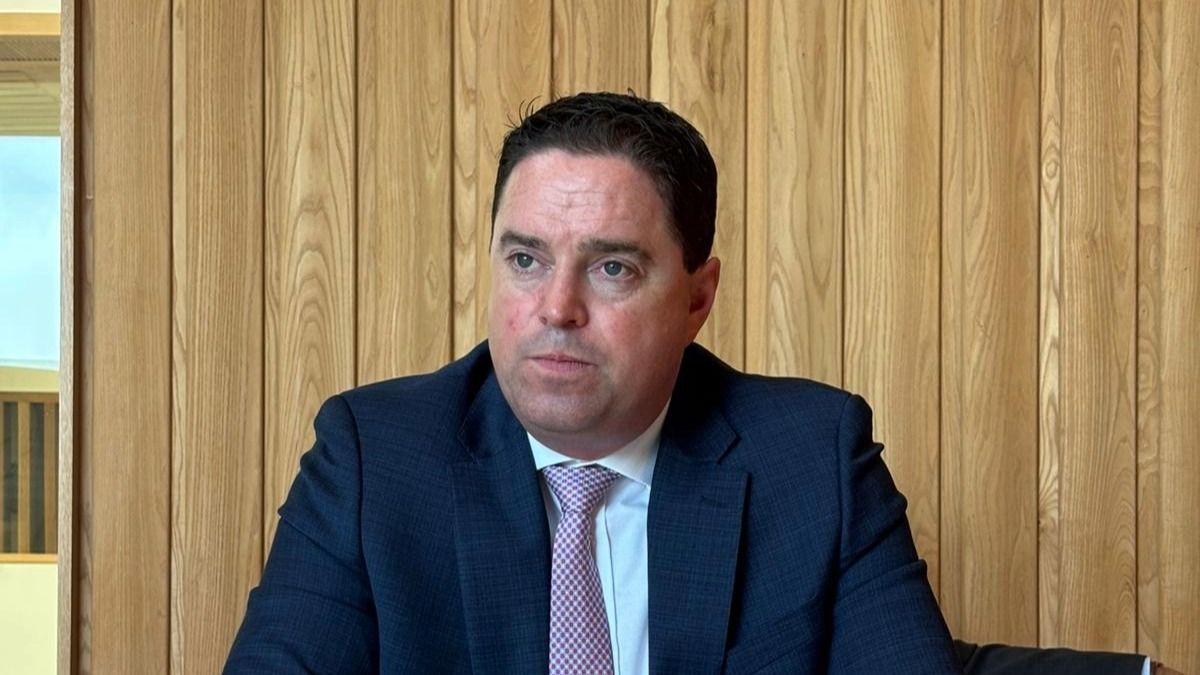
Commentin on the project, Minister for Agriculture, Food and the Marine Martin Heydon said: "I am delighted to see Regen Ireland bringing a collaborative group together to promote the benefits of regenerative agriculture in Ireland.
"I am confident that, through the engagement of all the participant farmers over a wide geographical area, the project will yield high quality and impactful results," Minister Heydon added.
The minister also welcomed welcomed Dr. Lundgren and his team who are visiting the participating farmers in the Regen Ireland project.
"I wish Regen Ireland, together with their project partners, every success over the next number of years," he said.
Dr. Lundgren commented: "Around the world, there is growing interest in how regenerative farming practices may contribute to healthier soils, stronger biodiversity and more resilient agricultural systems.
"But farming systems are shaped by local environmental conditions, which is why projects like this are so important," he added.
"By combining farmer participation with long-term monitoring and observation, this initiative has the potential to generate meaningful insights into how regenerative approaches may function within Irish farming landscapes and environments," Dr. Lundgren said.