'One drop' of pesticide can impact water supply - action group

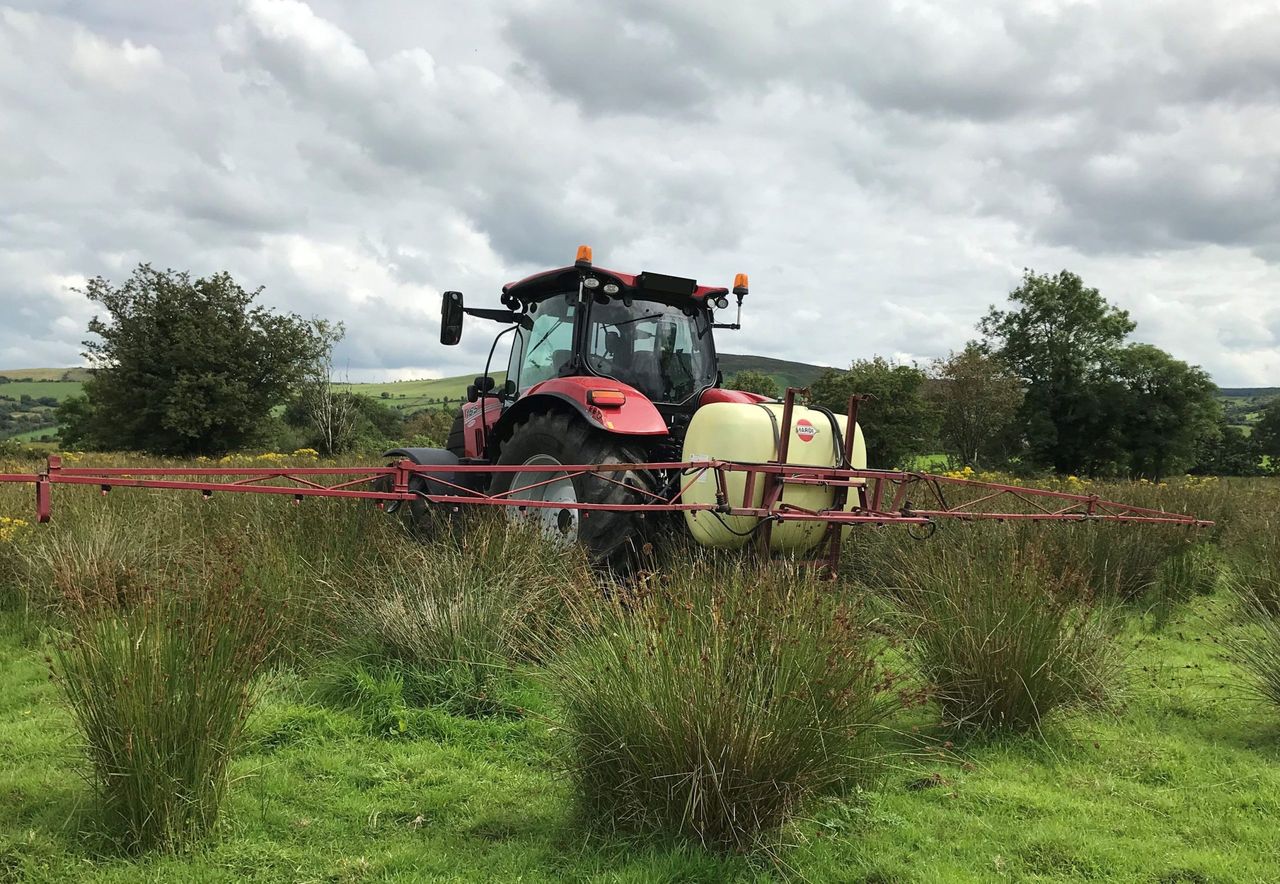
Pesticide users today (Friday, April 24) were warned to "exercise extra care as the 2026 spraying season begins because “it only takes one drop to impact a drinking water source”.
Uisce Éireann, in partnership with the National Pesticides and Drinking Water Action Group (NPDWAG) launched the 2026 Pesticides Awareness Campaign today.
Although evidence shows Ireland has seen significant progress over the past nine years, since the action group was established - with pesticide exceedances reduced by more than 50% - the latest monitoring data shows that a small number of "pesticide exceedances" continue to occur.
Uisce Éireann said that this “underscores the importance of responsible use, adherence to best practice, and continued vigilance across both rural and urban settings”.
In 2025, a total of 69 exceedances of the statutory limits for pesticides in the Drinking Water Regulations were detected across 24 public water supplies, drawn from over 45,000 analyses carried out nationwide by Uisce Éireann’s monitoring programme.
This represents a very high overall rate of compliance.
The majority of exceedances were linked to the commonly used herbicide substance MCPA, which accounted for 49 non-compliant findings.
Several supplies have been prioritised for action in 2026 due to recurring exceedances, including Greenmount in Co. Louth, Longford Central in Co. Longford, and the Foynes/Shannon Estuary supply in Co. Limerick.
Encouragingly, several other supplies showed notable improvement in 2025 following targeted engagement, local collaboration, and consistent best practice implementation.
‘Meaningful improvements’
Uisce Éireann said that across the country, farmers, landowners, local authorities and amenity partners “continue to demonstrate that meaningful improvements are possible when local knowledge and best practice come together”.
The Hacketstown water supply in Co. Carlow, the Belturbet water supply in Co. Cavan, and the Newcastle West water supply in Limerick all recorded strong improvements in 2025, each showing a clear turnaround compared to previous years.
Commenting on this year’s data, Dr. Aidan Moody, chair of NPDWAG, said: “While we continue to see strong progress since the NPDWAG was established, the 2025 results highlight that there are still some instances of pesticides entering water sources.
“Even very small quantities can affect drinking water quality.
“We also want to acknowledge the continued commitment of the farming community, who have played a vital role in reducing exceedances in recent years.”
He added that the farming community’s “willingness to adapt, follow best practice and work proactively with local partners is making a real and measurable difference to protecting our drinking water”.
Dr. Moody said: “We ask all pesticide users to always carefully consider whether pesticide use is necessary and, where it is, to follow best practice in every instance.
“Every responsible choice — whether selecting an alternative control method where possible or avoiding pesticide use in unsuitable weather conditions such as when rain is forecast — helps safeguard drinking water across our communities.”
Pesticide users
Dr. Patrick O’Sullivan of Uisce Éireann said: “Our monitoring programme carried out more than 45,000 analyses last year, and while the vast majority show full compliance, we are still seeing preventable exceedances within a small number of supplies.
“Local action is delivering real improvements, and we are encouraging all pesticide users to keep up this positive momentum as we enter the 2026 spraying season.”