EPA: Ireland meets 2024 ammonia reduction target with help of LESS

The Environmental Protection Agency (EPA) has published its assessment of five key air pollutants which impact air quality, health and the environment for 2024.
The pollutants are: ammonia; non-methane volatile organic compounds; sulphur dioxide; nitrogen oxides; and fine particulate matter.
The EPA said that in 2024, Ireland was compliant with EU emissions reduction targets for all five major pollutants targets.
Agriculture
Ammonia emissions, which arise almost entirely from agriculture, remained within EU limits for the third consecutive year, the agency said in its report.
"Agriculture accounts for over 99% of ammonia emissions in Ireland and was previously non-compliant with EU targets in 2020 and 2021," the EPA said.
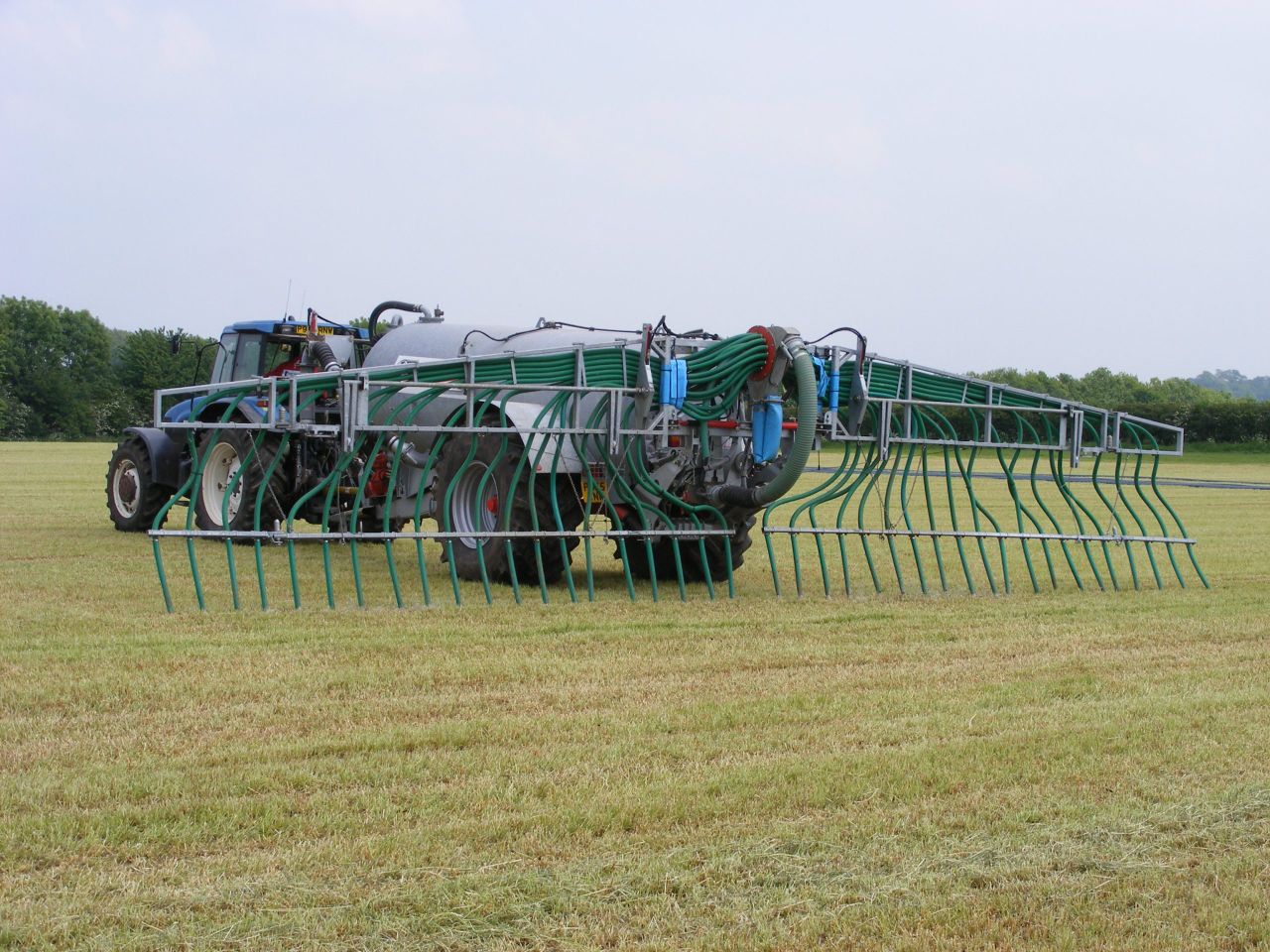
"The ongoing adoption of low-emission slurry spreading (LESS), in combination with a reduction of dairy cattle and other cattle numbers, has brought ammonia emissions into compliance with the EU emission reduction target for the years 2022, 2023, and 2024.
"This reflects the impact of on-farm adoption of a range of good farming practices."
Commenting on the findings, Roni Hawe, director of the EPA’s office of evidence and assessment, said: "Ireland is on track to meet its 2030 EU emissions reduction targets for all five major airpollutants.
"The EPA’s assessment confirms that this progress is delivering clear benefits for air quality, human health and sensitive ecosystems, and shows that targeted policies and practical measures are achieving measurable reductions in emissions."
She added that LESS alone "avoided an estimated 8,526t of ammonia being released to the atmosphere".
"That’s 7% of the national total, making it one of the most effective actions in reducing national ammonia emissions.
"Continued and wider adoption of these practices is essential to sustain progress on air quality."
Compliance
Beyond ammonia, Ireland is in compliance with EU emission reduction targets for the other air pollutants.
In 2024, sulphur dioxide decreased by 4.4%; fine particulate matter by 1.9%; nitrogen oxides by 1.3%; and non-methane volatile organic compounds by 1%.
Less fossil fuel use in power generation and residential heating has been key in reducing these emissions, the EPA said.
Dr. Tomás Murray, senior manager of EPA emissions statistics commented: "This is good news. We can hit our 2030 air pollutant reduction goals if we stay on course with the National Air Pollution Control Programme.
"By moving away from fossil fuels to generate our electricity and continued adoption of a range of good farming practices, we aren't just achieving targets but also actively protecting our health and our environment."