Mercosur provides 'clear learning' on communication - EU official
A senior EU official has acknowledged that more could have been done to reassure farmers about the EU-Mercosur trade deal.
The comments come as the agreement with Argentina, Brazil, Paraguay and Uruguay, which has been over 20 years in the making, will be provisionally applied from May 1.
The deal will create one of the world's biggest free trade zones, covering a market of over 700 million consumers.
The European Commission has said that provisional application ensures the removal of tariffs on certain products, creating predictable rules for trade and investment.
However, the deal faced strong opposition from EU farmers, who are concerned about unfair competition from Mercosur imports.
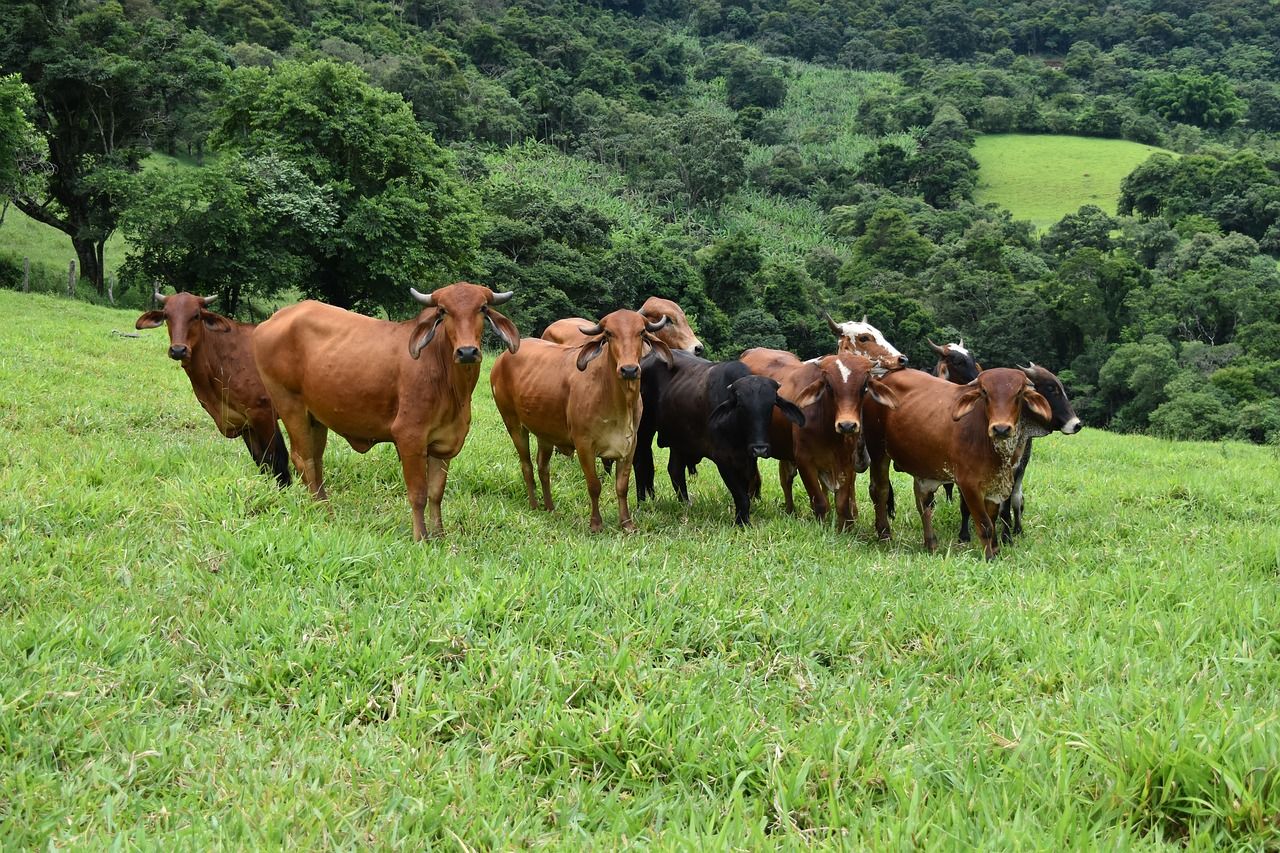
As part of the agreement, 99,000t of Mercosur beef will be allowed to enter the EU market with a 7.5% duty.
The commission has put forward a range of market safeguards for agricultural products in cases where imports from the Mercosur countries threaten to cause "serious injury" to EU producers.
Mercosur
Speaking to Agriland and other media in Brussels this week, a senior EU official said that “objective facts” on the Mercosur trade deal were “sometimes ignored” in the agri-food sector in Ireland, France, and other countries that opposed the deal.
“Nonetheless, it is also the case that the commission, the EU institutions in general, but equally national governments, could arguably have done more to explain and reassure our farmers and our citizens about the deal,” they said.
"There's clear learning for us in terms of how to communicate better and more impactfully," the official added.
The official said the worst fears around Mercosur, while coming from understandable starting points, were "misplaced".
They attributed this to "precisely because of how hard we negotiated with Mercosur to ensure that any market openings in sensitive sectors were carefully calibrated, phased in over time, and that any risk of market disruption was fully prevented through the safeguards built into the deal, which are the strongest ever in an EU trade agreement".
Brazilian beef
The official acknowledged that a shipment of Brazilian beef treated with an antibiotic that is banned in the EU made its way to a number of member states, including Ireland, last year.
"It is also true that the system in place for detecting such breaches in our system found the breach. That's how you know it happened. That shows that the system works," they added.
To provide reassurance to consumers and farmers, the commission will strengthen controls at EU borders and reinforce cooperation with Mercosur countries, particularly Brazil, so such a breach cannot happen again.
"European consumers have to have trust in our systems, we have the highest standards for food and safety," the official said.
Trade deals
The EU Commission does not expect comparable opposition to recent EU trade deals with Australia and India.
"With India, agriculture is largely cut out, so it's unlikely to be controversial. With Australia, while we are providing some limited agricultural concessions to Australia, we are fully confident that the impact on the European market will be minimal.
"There is a strong realisation across the EU that we need these trade deals, not just for the economic opportunities that they provide - and they do provide real, provable economic opportunities - but also because in an increasingly unstable geopolitical reality, where old certainties are no longer there, the more we bind ourselves to genuinely trusted partners, in all senses of cooperation, the better,” the senior EU official said.