Nature Restoration Plan 'a major concern despite assurances'

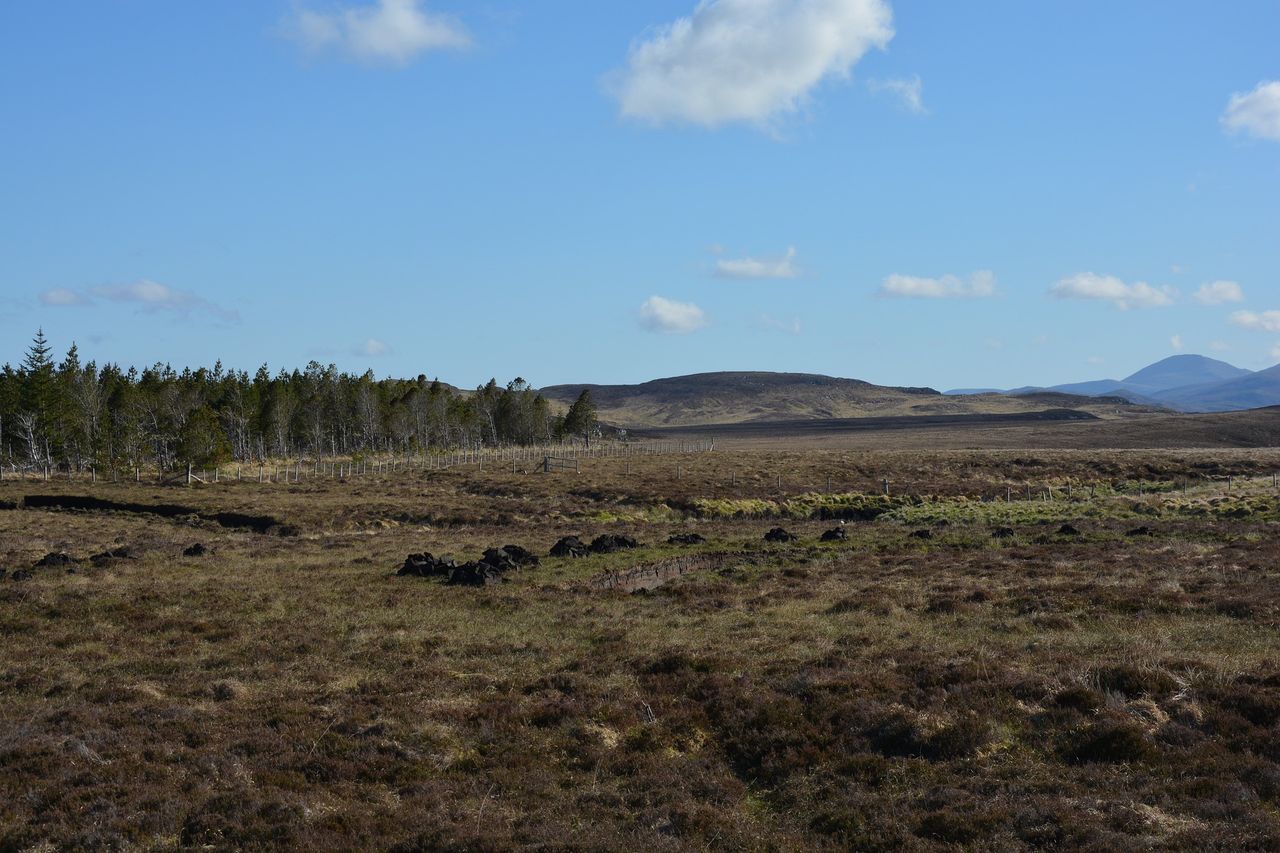
The Irish Natura and Hill Farmers' Association (INHFA) has said that Ireland's upcoming Nature Restoration Plan is "still a major concern despite assurances".
The organisation has reiterated its concerns around the implementation of the Nature Restoration Plan, following the official launch this week of the report of the Independent Advisory Committee (IAC) on the plan.
The INHFA claimed that the plan will still suffer from a lack of funding, and that it is still unclear how certain land types will be impacted.
Pheilim Molloy, the INHFA's national president, cast doubt on the expectation that farmland with these land types will not be impacted.
Molloy welcomed comments from Minister of State for nature Christopher O'Sullivan about wanting to avoid displacing farmers, but commented that "while many articles of the plan prioritise voluntary engagement, the law itself is clear in its requirements around restoration and re-establishment targets...of the Nature Restoration Law and confirmed in the Nature Restoration Plan".
According to the INHFA, the law requires EU member states to take restoration measures on habitats that are not currently deemed to be in a favourable condition. This is mandatory for member states.
Molloy said: "This is is not a voluntary option, but a clear requirement on these lands which are primarily hill and peat-based soild."
On the budget for the plan, the INHFA president claimed there is a lack of dedicated funding for the plan, and that farmers will "see this as a re-run of the land designations introduced in the late 90s", for which "no funding was put in place despite the onerous burden imposed on landowners through these designations".
"The minister and others have highlighted the need to support farmers for actions taken. While this sounds good, the reality is that it brings us down the exact same road as the hated designations, as there is no path to cover the baseline costs," Molloy said.
"While actions such as rewetting will probably be funded, there is no indication that funding will be available for the baseline costs of the land being included under the [plan].
"Examples of these costs include the requirement for farmers to get permission to carry out basic farming activity, or the associated devaluation that will come from these lands being included under the [plan]," he added.
"The full impact of the Nature Restoration Law and associated plan will become clearer as we move towards the end of this decade and into the 2030s.
"And while the minister and others will always reassure, the lived experience of farmers on designated lands is leading us to believe that the [plan] will not be positive for farmers," Molloy said.