EU-Mercosur Interim Trade Agreement in force from today

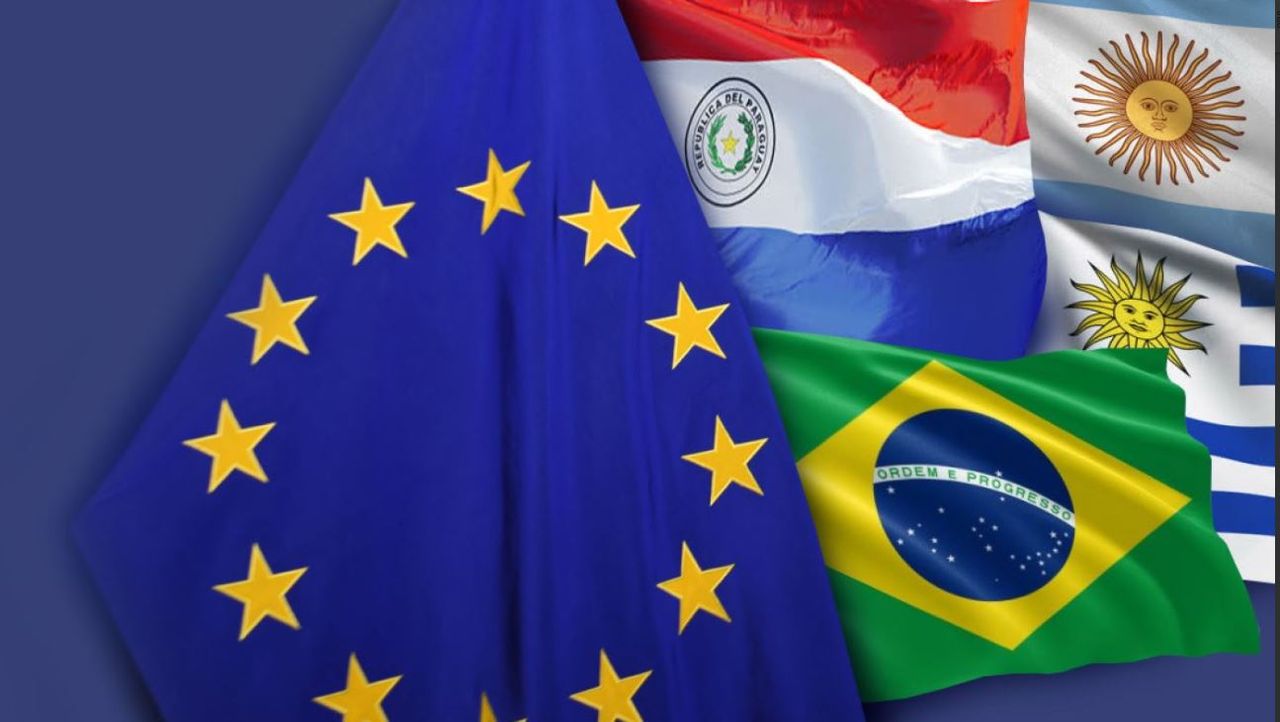
The EU-Mercosur Interim Trade Agreement enters into force today (Friday, May 1).
The trade agreement will allow an additional 99,000t of beef from Mercosur countries to enter the EU at a reduced tariff rate of 7.5%, which will be phased in over six years.
An additional 180,000t of poultry will also be allowed into the EU at a lower tariff.
The interim trade deal covers the trade aspects of the wider EU-Mercosur Partnership Agreement.
The partnership deal still needs approval from the European Parliament and is currently subject to a challenge in the Court of Justice of the EU, a challenge spearheaded in part by Irish MEPs.
However, the European Commission has been able to separate out the trade part of the partnership agreement and to provisionally apply it, while the wider partnership agreement awaits approval; hence why it is called an 'interim' trade deal.
The commission's move to do this has caused significant controversy, sparking anger from many MEPs and stakeholders in the agri-sector.
This issue of how the interim trade agreement was fast-tracked before the partnership agreement was fully ratified forms the basis of the court case on the deal.
As well as that case, the government of Poland has confirmed that it will file a complaint with the EU court regarding the trade deal, with the country's deputy prime minister saying: "We defend Polish consumers and farmers against threats and unfair competition."
In March, the EU officially adopted a set of "safeguards" to protect sectors here, such as the beef sector, from the impact of imports from Mercosur that might be cheaper and undercut EU producers.
The European Commission, of course, has welcomed the fact that the trade deal has come into effect, saying it brings "immediate and tangible benefits" for EU businesses, workers and citizens.
Commenting on the trade deal this week, European Commission President Ursula von der Leyen said: "A lot of work went into getting this landmark deal over the line. Now it's time to invest the same effort into making sure our citizens and businesses reap its benefits immediately.
"From day one, tariffs are reduced and new market opportunities are opened. This is good news for EU businesses of all sizes, good news for our consumers, and good news for our farmers who will gain valuable new export possibilities while being fully protected in sensitive sectors," she added.
European Commissioner for Trade Maros Sefcovic said: "With the provisional application of the EU-Mercosur agreement in place, it's time to roll up our sleeves and make sure this historic deal delivers.
"Trade deals are in their essence about buying and selling goods and services, under mutually agreed rules and for mutual gain, and this will be our laser focus in the coming weeks and months," Sefcovic added.
As of today, the deal removes or drastically reduces tariffs on key EU exports, such as cars, pharmaceuticals, wine, spirits, and olive oil.
The combined EU and Mercosur trade area has a population of over 700 million people.
The commission said that EU farmers and agri-food producers will also see lower or eliminated duties.
The agreement is expected to increase EU agri-food exports to the region by 50%, with the first tariff-rate quotas and reductions taking effect today.
Additionally, 344 European geographical indications (GIs) will gain legal protection in Mercosur as of today, preventing their imitation in the growing consumer market.
Sensitive agri-food sectors in the EU will benefit from "every necessary protection" due to "carefully calibrated tariff rate quotas" and an "unprecedented safeguard mechanism and enhanced controls", the commission said.
According to the commission, the changes coming into effect today will see EU exports to Mercosur hit €50 billion in annual value by 2040, an increase of 39% on current export trends.