Time to start thinking about a winter fodder budget

It is well worth drawing up a winter fodder budget before heading out with the mower this month, as stocks will be fairly depleted after the long winter.
With the improved weather, silage will be now on the minds of many farmers.
In fact, quite a few farms across the country have had grass knocked already, though granted the majority of them are just cleaning up paddocks which have gotten too heavy for the herd to graze.
However, silage cutting needs to be strategically planned this year to ensure there is enough fodder built up for the winter ahead, as there are very little reserves around the place.
2025 was an incredible year for grass growth, which meant there was plenty of silage in the yard to get us through the long winter. With reserves already in the yard from 2024 after a good back end to the year, farmers were well set for the winter.
Unfortunately, that is not the case on the vast majority of farms this year, with silage stocks as good as depleted and the year off to rough start for growth.
Budgeting feed
The advice is usually to plan for a five-month winter, but considering a lot of farms have gone through their second seven-month winter within three years, is it worth extending your contingency supply?
There is only so much land and only so much grass that can be grown on it, but that is why we need to be strategic with cutting this year.
Cutting dates have already been pushed back, but aiming for a high quality cut in late May and pushing on for a second bulk cut in July and hopefully a third bulk cut in late August or early September may be achievable, depending on your area.
Using the following scenario may be helpful with drawing up a winter fodder budget, which will in turn help steer targeted cutting dates.
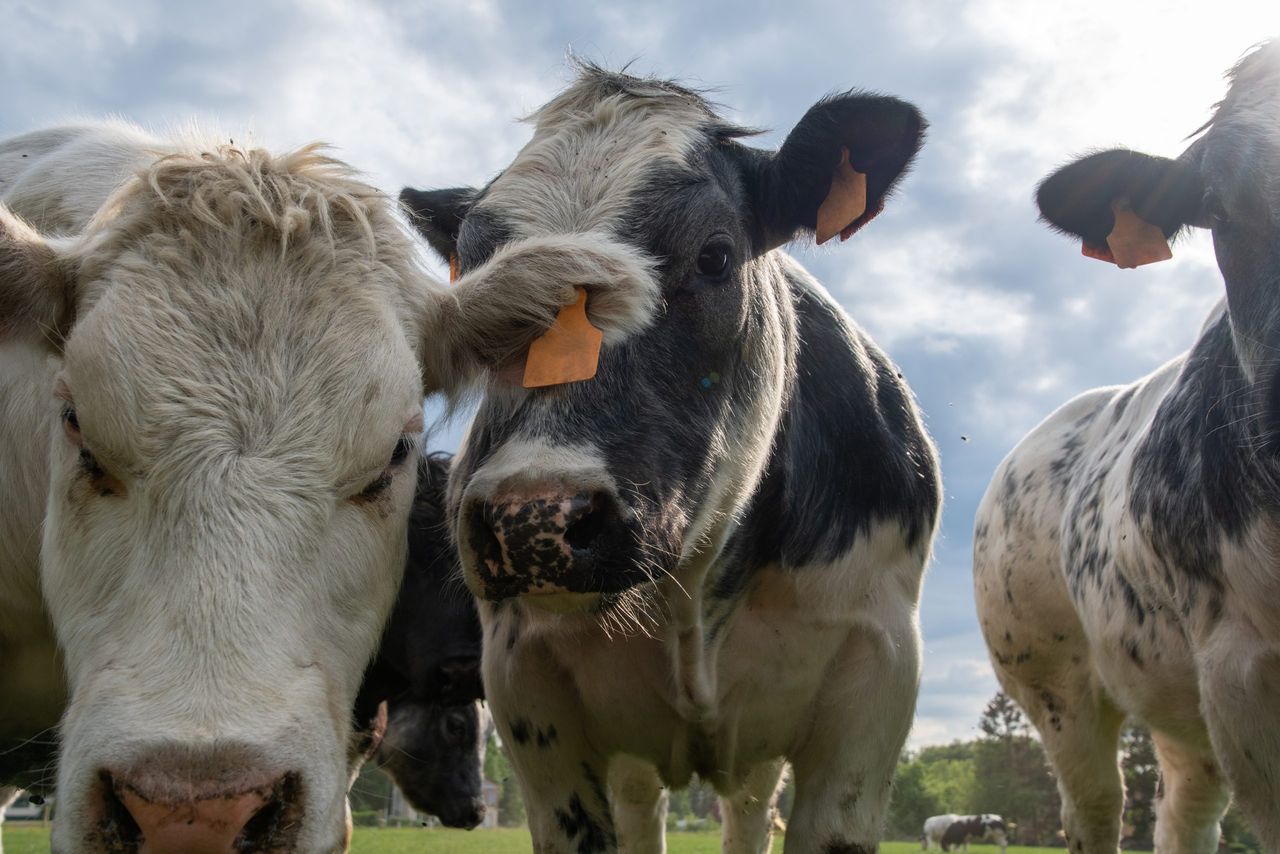
A herd with 100 cows, 25 in-calf heifers, and 25 yearling heifers will need the following amount of feed reserves:
| Silage requirement/month | No. of months (incl. fodder reserve) | No. of stock | Total | |
|---|---|---|---|---|
| Dairy cow | 1.6 | 6 | 100 | 960t |
| In-calf heifer | 1.3 | 6 | 25 | 195t |
| Yearling heifer | 0.7 | 6 | 25 | 105t |
| Total | 147 | 1,260t |
To complete a fodder budget, farmers need to measure silage pits (length x width x average height in metres) and count bale stocks.
The measurement of the pit can be multiplied by 1.35 to get the amount in tonnes. To convert bales to the equivalent of tonnes of silage, multiply the number of bales by 0.9.
If there is any silage left over in the yard, add this to to the budget as it will make a difference to the volume of grass that needs to be cut this year.
From there we need to be looking at the designated area for first and second cut silage, estimating how much silage that will provide.
This will help you decide whether or not a third cut of silage is needed, or if you should be taking out additional paddocks to cut for bales.
If a third cut is impossible and you are going to be coming in well below budget by the end of the season, it may be worth considering buying silage during the year to ensure there is enough fodder in the yard.
It can seem like a hard thing to do during a year of such tight margins, and will be hard to look at if we get a short winter where it is not needed.
However, if we get a seven-month-long winter again and you do not have enough fodder, you will be scrambling to find it at the same time as everyone else, all while cash flow is down during those winter months.
Another step you could take if you are coming in under your fodder budget is offloading cull cows or other non-breeding stock, which will take pressure off of the budget, as well as the land in terms of grass production.
This may all seem like doom and gloom right now, especially considering how the weather has finally turned good, but it is always worth being prepared for these winters now given how common they have become.