Dairy
It is well worth drawing up a winter fodder budget before heading out with the mower this month, as stocks will be well depleted.
Farmers must start looking ahead to the winter months and create a fodder budget to ensure they have adequate feed for the housed period
January is an important time to assess remaining winter feed stocks and in particular after the year of 2024, which proved to be very...
Winter feed supply may look scarce on many farms as grass growth has been far from good throughout the summer months due to the lower than...
Beef
Alltech is encouraging Irish livestock producers to assess their feed supply and start to plan and...
Agri-Business
Teagasc have recently updated the national fodder survey across dairy and drystock farms...
Dairy News
Lakeland Dairies has announced that is continuing to support its farm suppliers by introducing a...
The dry weather conditions during the summer months may have resulted in smaller amounts of winter feed being saved.
Silage is the number one feed on farms over the winter period. However, silage quality can negatively impact the performance of the herd.
As weather and growth rates have been favourable in recent weeks, many suckler farmers have managed to fill fodder deficits.
Grass
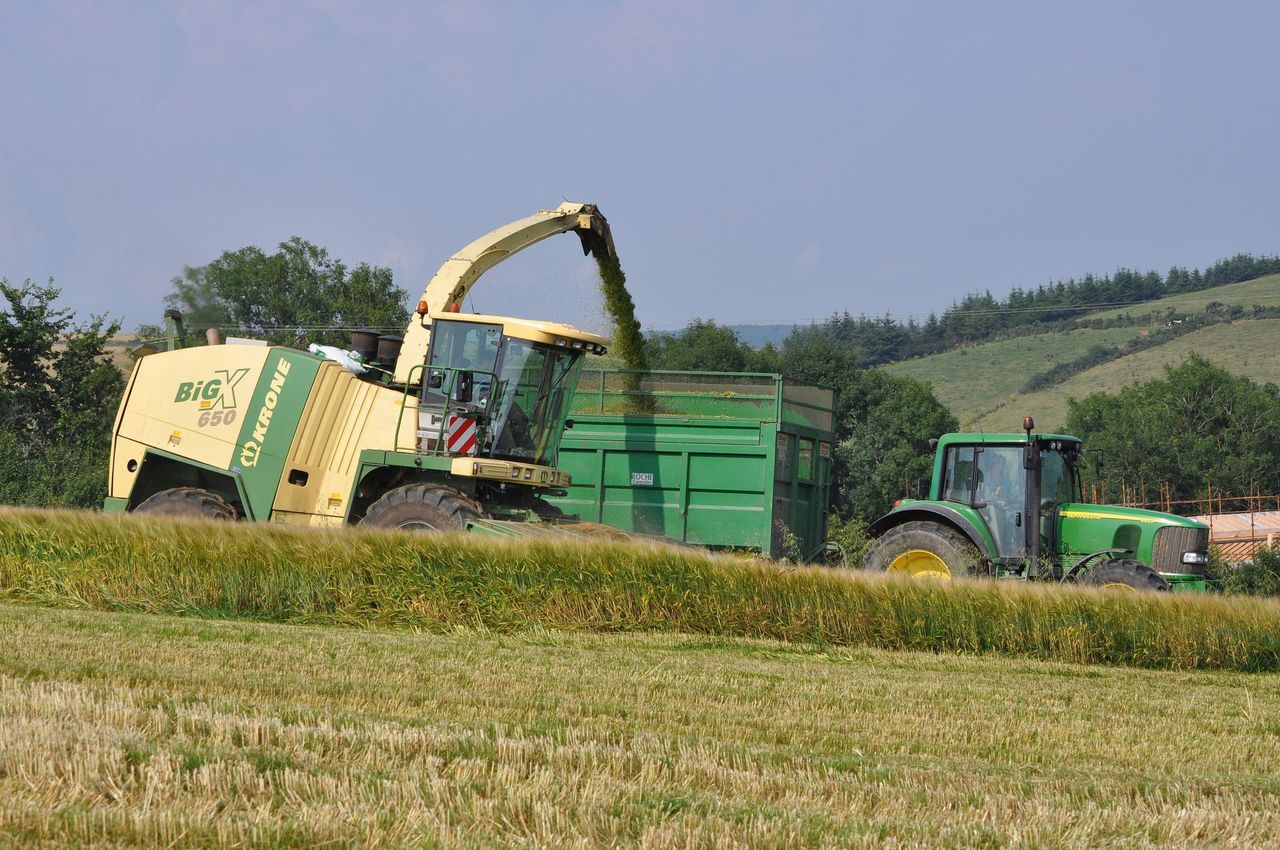
As next winter's feed reserves are now being used, farmers are beginning to turn their attentions to alternatives - such as wholecrop cereals - to bolster next winter's feed reserves.
Cereals are the backbone of a good ration and are an excellent source of starch in cattle diets, according to Teagasc's Aidan Murray.