EU agri chief to present fertiliser action plan on May 19

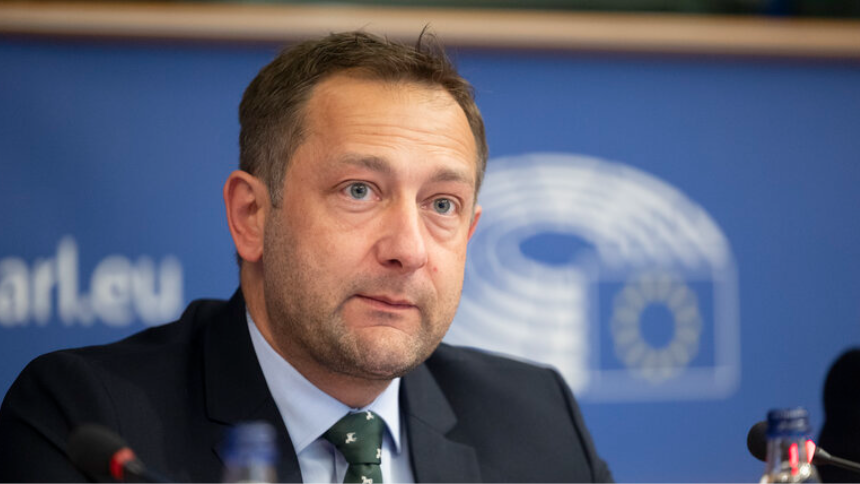
European Commissioner for Agriculture Christophe Hansen has confirmed he will present the commission's long-anticipated Fertiliser Action Plan on May 19.
On social media today (April 30), he said: “Farmers are being squeezed by rising energy and fertiliser costs.
“This situation is very serious. I am fully aware of it and very concerned.
“This matter has all my attention. What I want to avoid at all costs is that farmers stop producing in the next harvesting cycle.”
Commissioner Hansen said that on May 19, he will “present a Fertiliser Action Plan”.
He added: “We need greater strategic autonomy. We need greater resilience and a stronger European fertiliser base.”
This plan was first mentioned in March, when the European Commission said that it wants to cut EU farmers' reliance on imported fertilisers with a new action plan and potential crisis support measures as the Middle East conflict continues.
According to the commission, the Fertiliser Action Plan will focus not only on the short-term crisis support but also on structural measures to reduce EU dependency on imported synthetic, fossil-fuel based fertilisers.
The industry group Fertilisers Europe warned at the time that if the conflict in the Middle East continues or gets worse, "EU institutions should consider reinforcing aid and assistance to European farmers".
AccelerateEU
Separately, Fianna Fáil MEP Billy Kelleher said that a windfall tax on energy companies and further supports to farmers regarding higher fertiliser prices is "possible under the European Commission’s AccelerateEU plan".
“While there will be no EU-wide windfall tax, the possibility is there under this plan for national governments to levy such a tax," Kelleher explained.
"The Irish government should make use of this option, I believe."
He said that many other member states are likely to take this chance to use such a windfall tax to pay for the "costly energy supports needed to assist homes, families, farmers and SMEs at this difficult time".
“Energy companies cannot be seen to profit off citizens' hardships," the Ireland South MEP continued.
“In addition, there is scope under the plan for member states to compensate up to 70% of a beneficiary's extra costs from the price increase of fertilisers caused by the crisis or a flat rate of €50,000."