MEPs vote to boost productivity and efficiency in EU livestock sector


MEPs want the EU to provide stronger support for the bloc's livestock sector as it faces "economic, environmental, and social pressures".
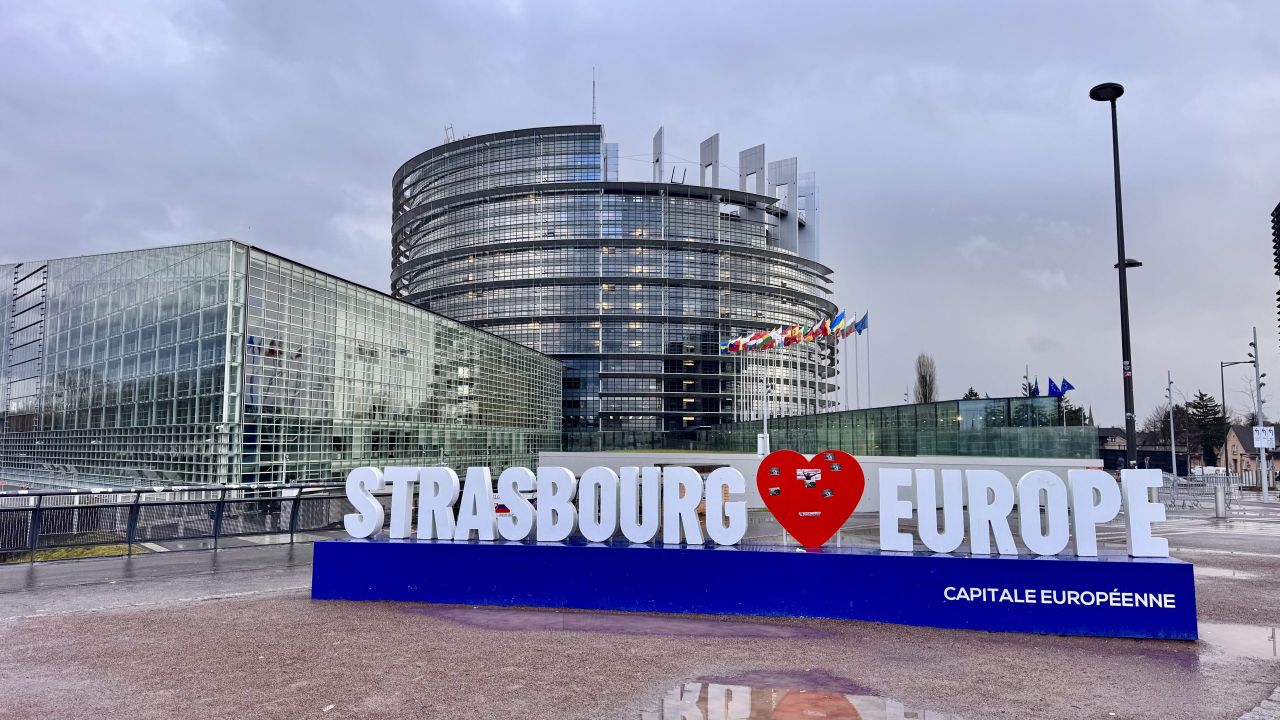
The European Parliament today (Thursday, April 30) adopted a series of proposals to boost productivity and efficiency in the sector, by 426 votes in favour, 119 against, and 40 abstentions.
The proposals include:
- A data-driven strategy, focusing on innovation, precision farming, and boosting productivity and sustainability;
- Measures to safeguard Common Agricultural Policy (CAP) budgets to maintain consistent financial support for livestock farmers;
- Stronger promotion of EU livestock products abroad, via clearer labelling practices and protection of geographical indications;
- The creation of a high-level group on livestock, modelled on the high-level group on wine policy, to develop tailored solutions while respecting regional diversity;
- Stronger EU coordination on vaccination strategies, early detection systems, data sharing, alongside a centralised vaccination data bank and compensation mechanisms for farmers impacted by outbreaks.
The European Parliament’s Agriculture and Rural Development Committee had called for stronger support for the EU livestock sector in March.
‘Supporting farmers’
Speaking on today's development, rapporteur MEP Carlo Fidanza today said: "Europe’s livestock sector is a cornerstone of our identity, culture, and environment.
“We need a livestock strategy that is realistic, balanced, and consistent with the challenges of our time.
In a world marked by war, instability, and market crises, the answer must be a strong, practical agricultural policy capable of ensuring food security and competitiveness.
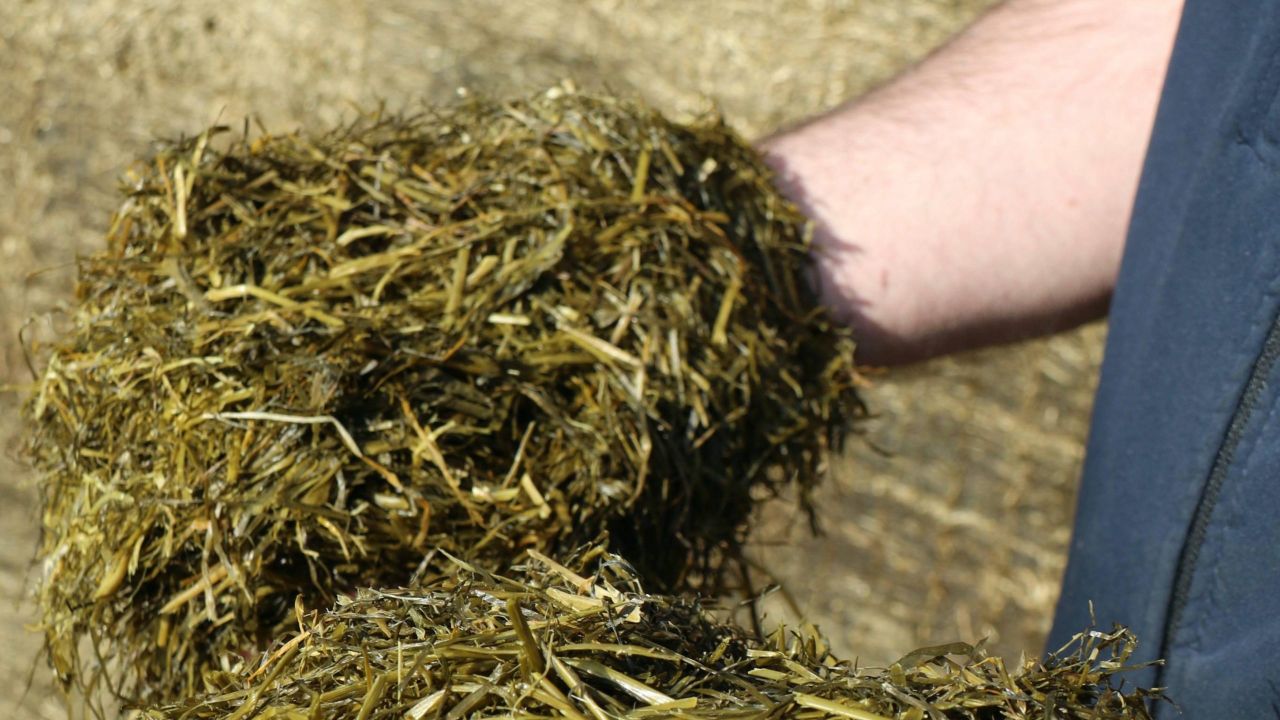
“That means supporting farmers, rewarding sustainability, promoting the use of livestock digestate as a bio-based and circular alternative to synthetic fertilisers, and building policies grounded in science.”
The Italian MEP added that the “report offers a solid working basis for the EU livestock strategy that the European Commission is expected to present in the near future”.
He said: “A strong and innovative EU livestock sector is essential for our food sovereignty and the vitality of rural Europe."
EU farming
As the world’s second largest meat producer and leading milk producer, the EU maintains a strong global position in the sector, with livestock playing a vital role in supplying high-quality protein and nutrients for balanced diets, according to the European Parliament.
Global demand for animal protein is expected to rise significantly by 2050, reinforcing the sector’s long-term relevance.
Despite this, the EU livestock sector is "facing mounting economic, environmental, and social pressures", a statement from the parliament said.
It said: "Livestock populations are declining, as are meat and dairy consumption levels, except for poultry.
"Many farmers are exiting the sector owing to economic difficulties, a lack of generational renewal, and insufficiently attractive prospects".