Farmers' actions to protect pollinators celebrated in new booklet

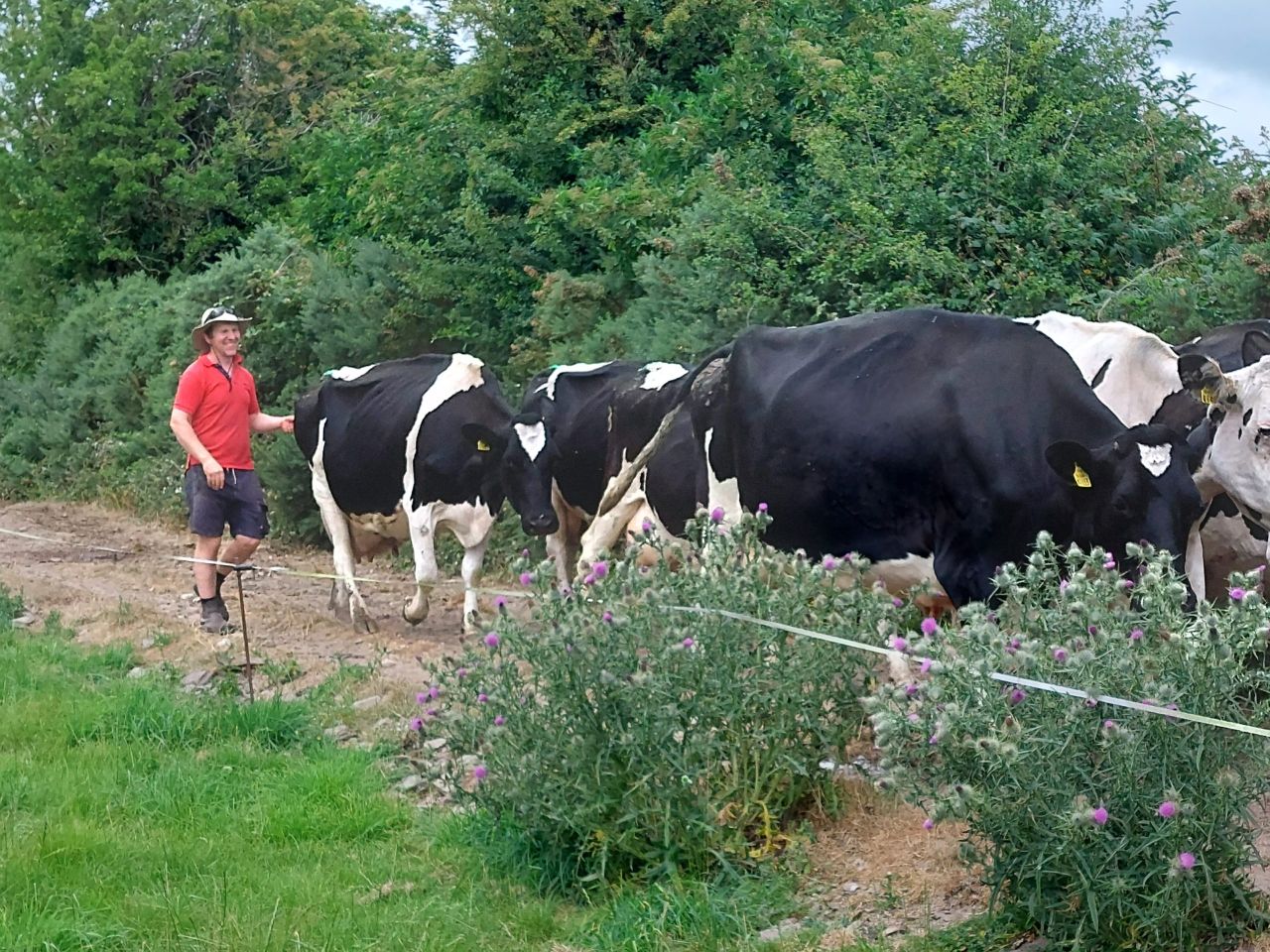
The efforts of farmers to conserve and protect pollinators across the island of Ireland has been recognised in a new booklet.
"100 Tales of Hope: Stories from the All-Ireland Pollinator Plan 2021-2025", is being released today (Wednesday, May 20) by the National Biodiversity Data Centre to celebrate World Bee Day.
The free booklet celebrates the work of farmers, local communities, councils, schools and businesses, who have transformed their land to help wild bees during the most recent phase of the All-Ireland Pollinator Plan.
Pollinators
According to the National Biodiversity Data Centre, wild bees are "in trouble" on the island of Ireland, with one third classified as "in decline".
While recent data shows that this trend is continuing, local populations are increasing where actions are being taken to help them.
Wild bees pollinate many fruits and vegetables. Along with being worth millions to the economy, they also ensure the survival of about 70% of our wild plants.
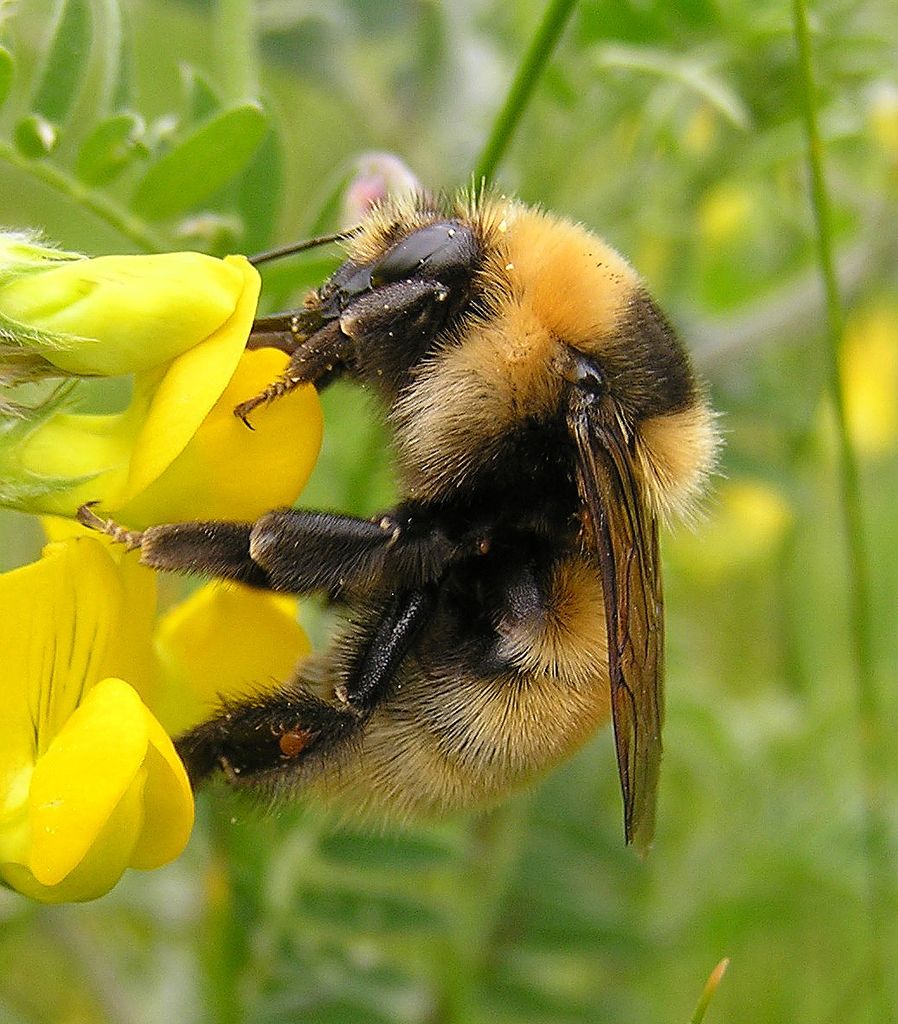
The All-Ireland Pollinator Plan was established in 2015 to tackle the decline of pollinators, becoming one of the first of its kind in Europe.
The plan, now entering its third phase, brings together different sectors to encourage actions to protect and conserve pollinators.
These include mowing grass less to help native wildflowers grow, protecting and planting native trees and hedgerows, eliminating pesticides and choosing pollinator-friendly ornamental plants in gardens.
Farmers
The new booklet includes stories from farmers who have allocated unproductive areas of the farm for biodiversity, adopted organic practices and managed hedgerows to encourage natural pest control.
Others have taken part in the Farmland Moth Monitoring Programme, moth-trapping on their land to record insects that are active after dark.
In addition, some farmers have worked with scientists to develop 'pollinator-scoring' tools to help assess how their farm can support pollinators without effecting productivity.
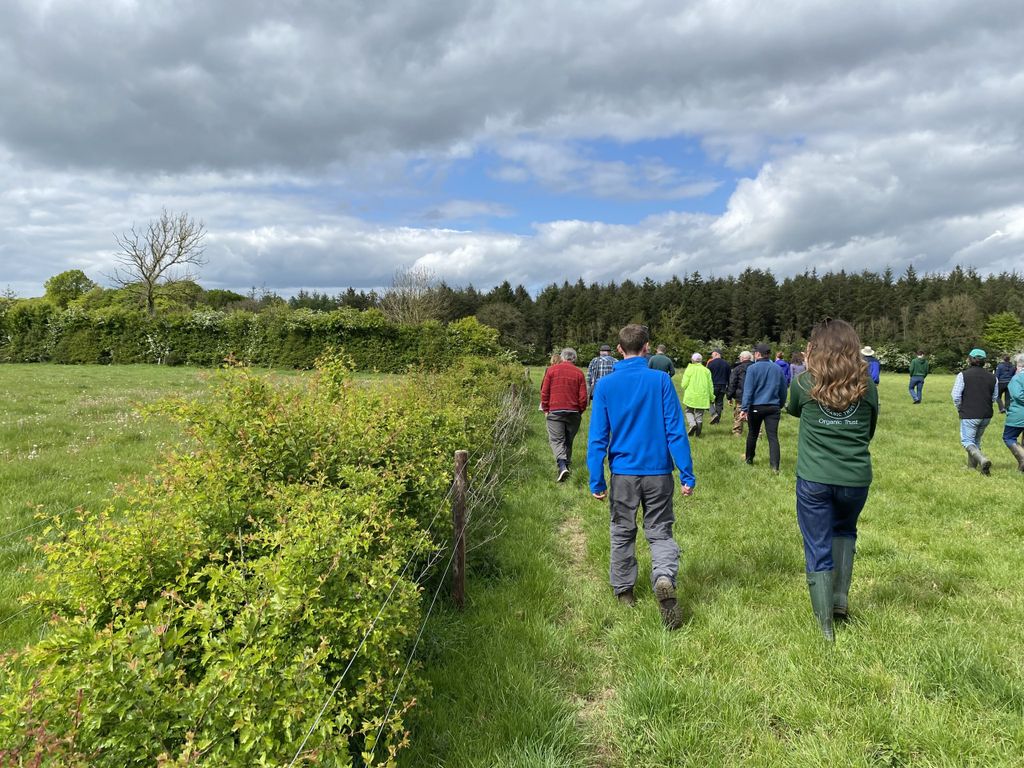
All-Ireland Pollinator Plan co-founder, Dr Una Fitzpatrick said the free booklet showcases "a tiny fraction" of the thousands of people who have made the All-Ireland Pollinator Plan 2021-2025 a reality.
"It is a celebration of what has been achieved, and a much-needed reminder that we can make a difference if we work together to take the right actions.
"Pollinator numbers are in decline, but local populations are increasing where actions are being taken to help them.
"We know we still have a long way to go to create a pollinator-friendly landscape, but if we have learned anything it is this: what we’re all doing is working - we just need to do more," she added.