ICOS calls for €40m fertiliser support scheme


The Irish Co-operative Organisation Society (ICOS) is calling on the government to introduce a €40 million state aid package to help Irish farmers secure fertiliser supplies for 2027.
ICOS today (Tuesday, May 19) proposed that the government could use temporary EU flexibility measures to support fertiliser purchases during the third and fourth quarters of 2026.
The society also warned that the European Commission’s Fertiliser Action Plan, unveiled today, must "deliver immediate relief and longer-term strategic solutions for farmers".
According to the commission the new action plan will "support farmers facing rising fertiliser costs and scarcity".
It pledged that the plan combines "immediate support measures" - aimed at supporting affordability and security of supply - with "longer-term action" to strengthen domestic fertiliser production.
However ICOS has warned that Ireland faces an "inordinate burden" from the Carbon Border Adjustment Mechanism (CBAM) because this will cause fertiliser prices to "skyrocket".
It detailed that the Middle East is a critical player in the global fertiliser trade, accounting for approximately 30% of exports of major fertiliser products.
"With supply routes severely disrupted, and excessive input cost inflation already weighing heavily on agriculture since 2022, the situation is now becoming increasingly serious.
"Ireland is particularly exposed.
"As a relatively small fertiliser market, importing approximately 1.7 million tonnes in 2025 and with no domestic fertiliser production beyond lime, the country is entirely dependent on international supply chains," ICOS outlined.
Fertiliser prices
This is not the first time Ireland has faced soaring input costs in recent years but the experience in 2022 was different because Irish farmers had according to ICOS a "cushion" then in the guise of strong output prices.
Currently as milk prices sit in the region of 37 cent per litre and appear to be intent on continuing their downward trend there is no much needed cushion this time around.
According to ICOS "every effort" is being made by co-ops and suppliers to secure adequate fertiliser supplies for the remainder of this year.
But it has cautioned that the outlook for 2027 is "highly uncertain, with the potential for a deep crisis ahead".
"Every day that the Strait of Hormuz remains disrupted increases the risks facing farmers, co-operatives and the wider food production sector.
"Unless preparations are made now by both the European Commission and the Irish Government, the impact of this crisis could intensify significantly next year," it outlined.
It believes that one practical step that could be taken immediately by the European Commission is to suspend CBAM for fertiliser imports.
Analysis by Copa-Cogeca has estimated that CBAM could cost EU farmers more than €800 million in 2026, rising to €12 billion over the next seven years.
But suspending CBAM at this time is not a move the commission, apppears to be willing to adopt, if the new Fertiliser Action Plan is anything to go by today.
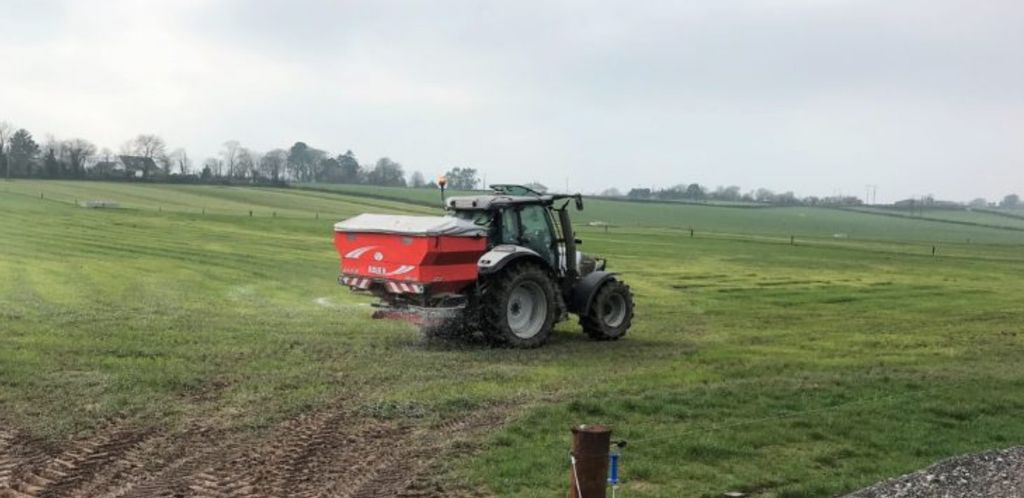
ICOS now believes that there needs to be an urgent engagement between the government and all stakeholders in the fertiliser supply chain ahead of the 2026/27 season.
"Across the agri-food chain, co-operatives are facing major increases in energy, fuel and operational costs, affecting services from artificial insemination and milk recording through to core on-farm supports.
"Without intervention, the cumulative burden on Ireland’s food production system will become unsustainable," ICOS said.