Commission lacks ambition to solve long-term 'fertiliser crisis' - MEP

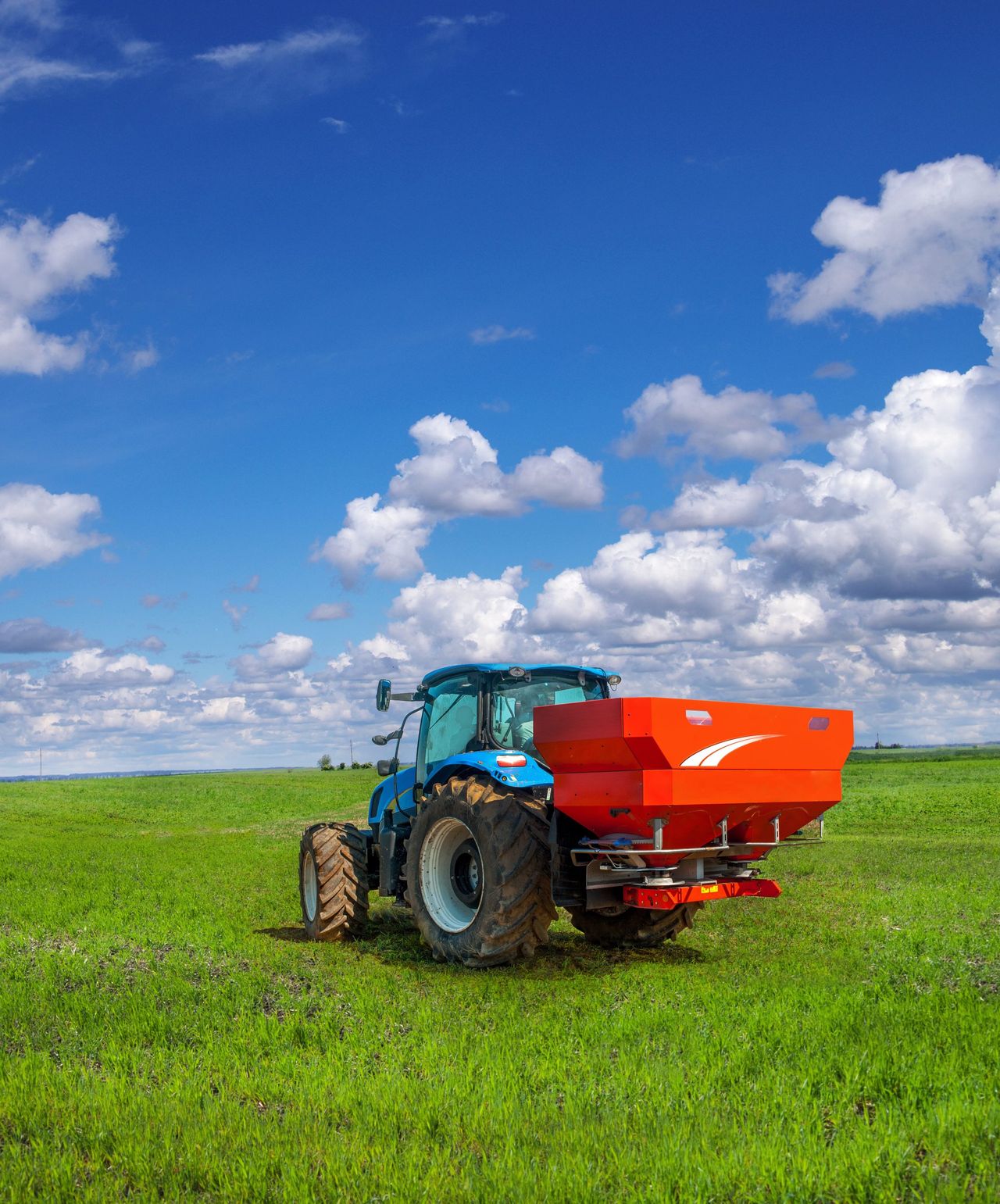
Emergency financial support for Irish farmers facing soaring fertiliser costs has been welcomed by an Irish MEP who added however, that the European Commission lacks the ambition needed to solve the long-term crisis.
The European Commission unveiled its Fertiliser Action Plan today (Tuesday, May 19) which includes measures such as emergency financial support for farmers, a new EU Fertilisers Partnership and actions to increase domestic EU supply.
However, Midlands-North-West MEP Maria Walsh said it fails to commit to suspending the Carbon Border Adjustment Mechanism (CBAM) for fertilisers, which will come as a disappointment to the Irish agricultural sector.
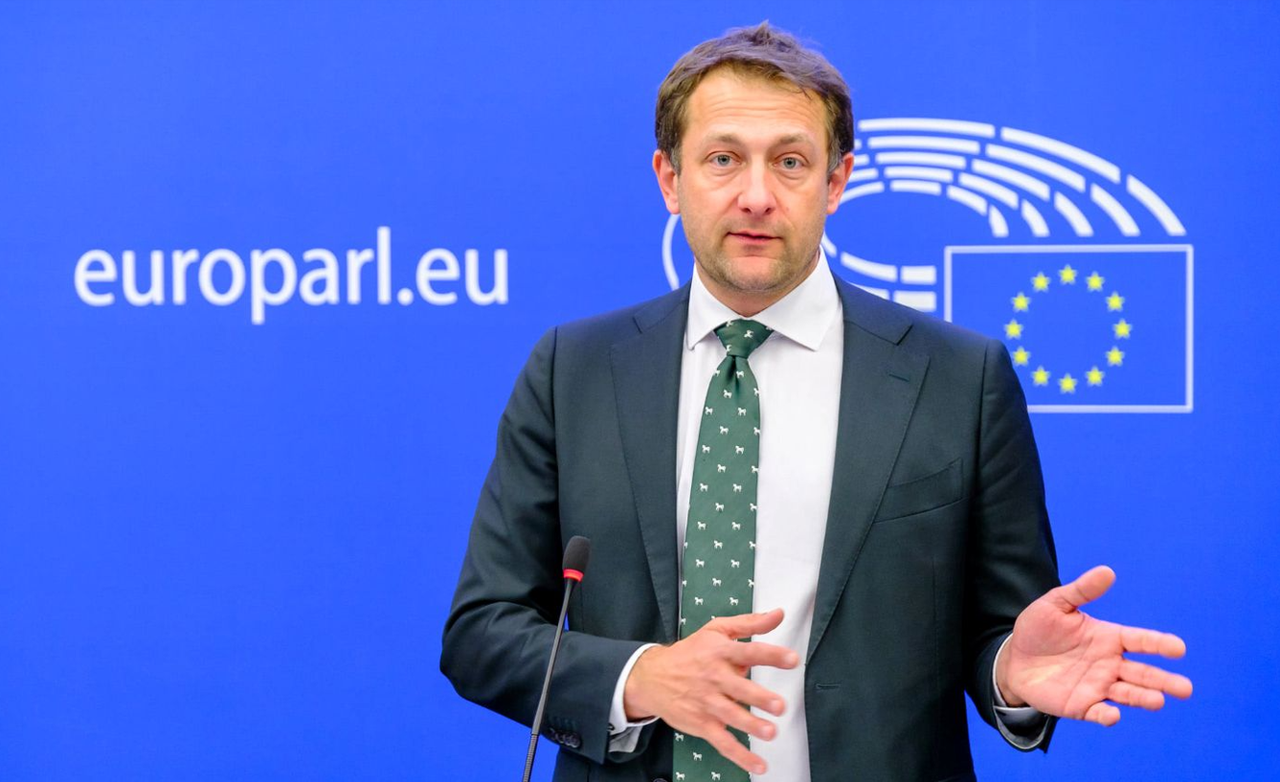
MEP Walsh, a full member of the European Parliament’s Agriculture Committee, said:
“Today’s fertiliser action plan from the European Commission offers glimmers of hope for Irish farmers but it fails to deliver the ambition necessary to solve the current fertiliser crisis.
"While emergency financial support and advanced CAP [Common Agricultural Policy] payments will become available, the EU has not committed any new funding to support farmers with increased costs.
"Farmers also don’t know how much, or when they will receive any financial help.
“I know many farmers will be disappointed to see that carbon taxes will continue to be levied on fertiliser imports."
The Fine Gael MEP who is part of the EPP political grouping in the EU, said that she has repeatedly raised the issue with the commission.
“While the commission has indicated it is willing to review and improve the mechanism, the commitments made are far too vague and offer little reassurance to farmers already operating under intense financial pressure," Walsh added.
“Irish farmers are particularly exposed to this crisis due to our limited production capacity.
"Our grass-based dairy and beef sectors are also more fertiliser-intensive than many other EU countries, meaning the impact here is disproportionately severe.
“However, there are practical alternatives available that we are still not fully utilising - including the use of wool as an organic fertiliser."
Wool
MEP Walsh recently wrote to the commission to seek a reclassification of wool which would allow farmers to use it directly as fertiliser and reduce costs on farms.
“Over the past two years, the commission has dragged its heels on this issue and repeatedly rejected similar requests outright," she said.
"For the first time ever, we are finally seeing signs of progress with a commitment to improving the Animal By-Products Regulation and the use of organic fertilisers.
"That progress must now be matched with real action.”