Watch: What's in the new EU Fertiliser Action Plan?

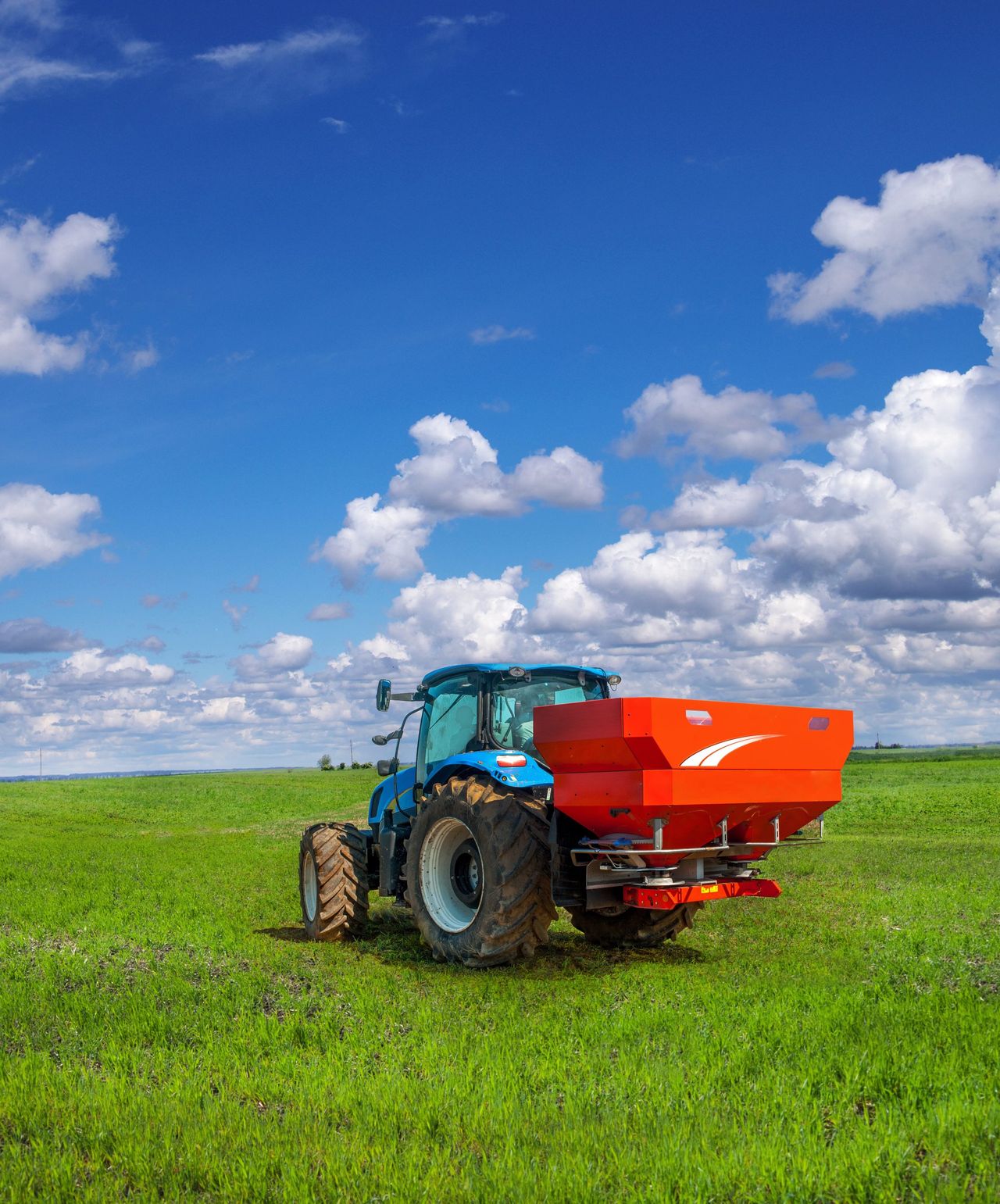
The European Commission today (Tuesday, May 19) unveiled a new Fertiliser Action Plan which it said will "support farmers facing rising fertiliser costs and scarcity".
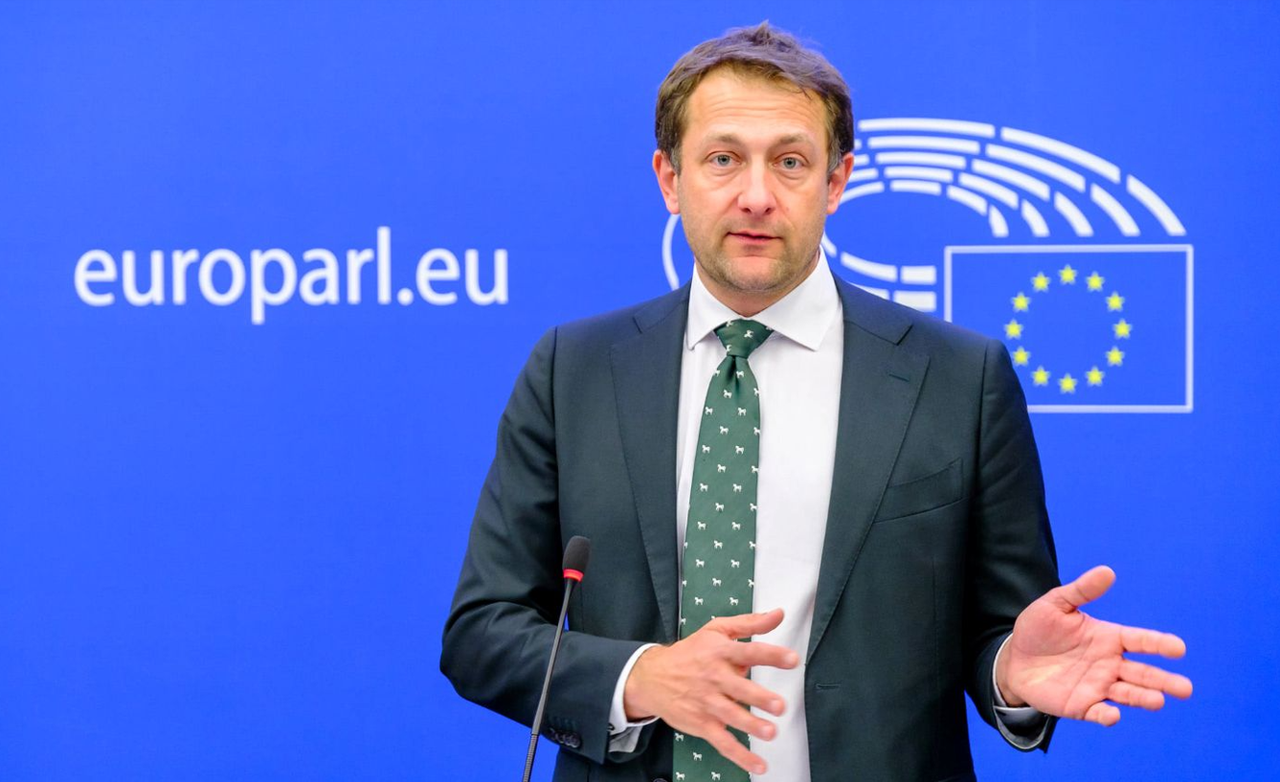
The Commissioner for Agriculture and Food, Christophe Hansen, told the European Parliament today that "food security starts with fertiliser security".
"Europe must produce more and depend less on others for the nutrients that sustain our agriculture.
"The action plan we present today is about securing Europe’s food production, competitiveness and strategic autonomy.
"On the short-term, we will support European farmers so they can buy the fertilisers they need for the next harvesting season. On the long term, we will strengthen our domestic production and unlock the potential for the development of bio-based fertilisers.
"This action plan will deliver a European partnership on fertilisers with investments and actions at all levels: European, national and private".
As the Commissioner for Agriculture and Food set out details of the action plan, angry farmers protested in Strasbourg to voice their frustration about soaring fertiliser prices and the impact this is having on farm profitability.
However the commission maintains that its new Fertiliser Action Plan combines "immediate support measures" - aimed at supporting affordability and security of supply - with "longer-term action" to strengthen domestic fertiliser production.
The commission detailed that it also wants to improve supply resilience and "accelerate the transition" to bio-based, low-carbon and circular fertilisers.
This in turn is underlined in its ambition to "reinforce domestic production and reduce Europe's dependency on imports".
One key aspect of the new plan is the European Commisson's intention to provide "targeted fertiliser support" to farmers through existing Common Agricultural Policy (CAP) crisis tools.
As part of this approach, it also intends to "increase the agricultural reserve" to deliver fast financial relief.
A financial package will be presented before the summer to "provide immediate liquidity relief for farmers ahead of the next production cycle" to help sustain agricultural production according to the commission.
According to the President of the European Commission, Ursula von der Leyen, the action plan will support European farmers and "accelerate innovation in sustainable, home-grown solutions".
The commission now intends to present a "targeted legislative package" to enable member states to "make full use of the support available" under their current CAP Strategic Plans.
"This will include a new liquidity scheme to help with cash flow, greater flexibility for advanced payments, and stronger incentives for more efficient farming practices that reduce and optimise fertiliser use, shift to bio-based fertilisers and invest in farm resilience where needed," it outlined in the plan.
Fertiliser Action Plan
The commission today also put forward other key actions to support farmers in the new action plan, including a focus on "better nutrient management, support for the development and uptake of nutrient-efficient farming practices and a stronger emphasis on Farm Advisory Services within the CAP".
Separate to this, there will also be new measures presented that will encourage "the use of digestates, with appropriate environmental safeguards".
According to the commission, the upcoming evaluation of the Nitrates Directive will clarify certain implementation rules "to better align them with the reality of the calendar farming experienced on the ground".
Domestic fertiliser industry
One key aspect that the new Fertiliser Action Plan wants to promote is the the use of European alternatives to reduce the EU's dependency on fertiliser imports.
"This includes a wider use of organic, bio-based fertilisers and alternatives to traditional mineral products.
"Other pathways include algae biomass, other soil enhancers, microbial solutions, biostimulants, and recovery of nitrogen and phosphorus from the sewage sludge," the commission stated.
Affordable prices
The issue of rising fertiliser prices is also addressed in the new action plan.
The commission detailed that a "well-functioning fertiliser market requires greater transparency and structured dialogue between policymakers and actors across the value chain".
It now intends to launch an EU fertilisers value chain partnership, that will bring together fertiliser producers, farmers and member states to examine current challenges.
CBAM
The commission also pledged that it will work on a report assessing how costs related to the Carbon Border Adjustment Mechanism (CBAM) and Emission Trading System (ETS) are passed on to fertiliser prices paid by farmers and ultimately to food prices.
However it confirmed that the Fertilisers Market Observatory "will continue to serve as the central platform for market intelligence".
In the interim, the commission also intends to "assess stockpiling and other options for securing key fertilisers and inputs".