Exclusive: 'Without fertilisers, there is much less food' - Commissioner Hansen
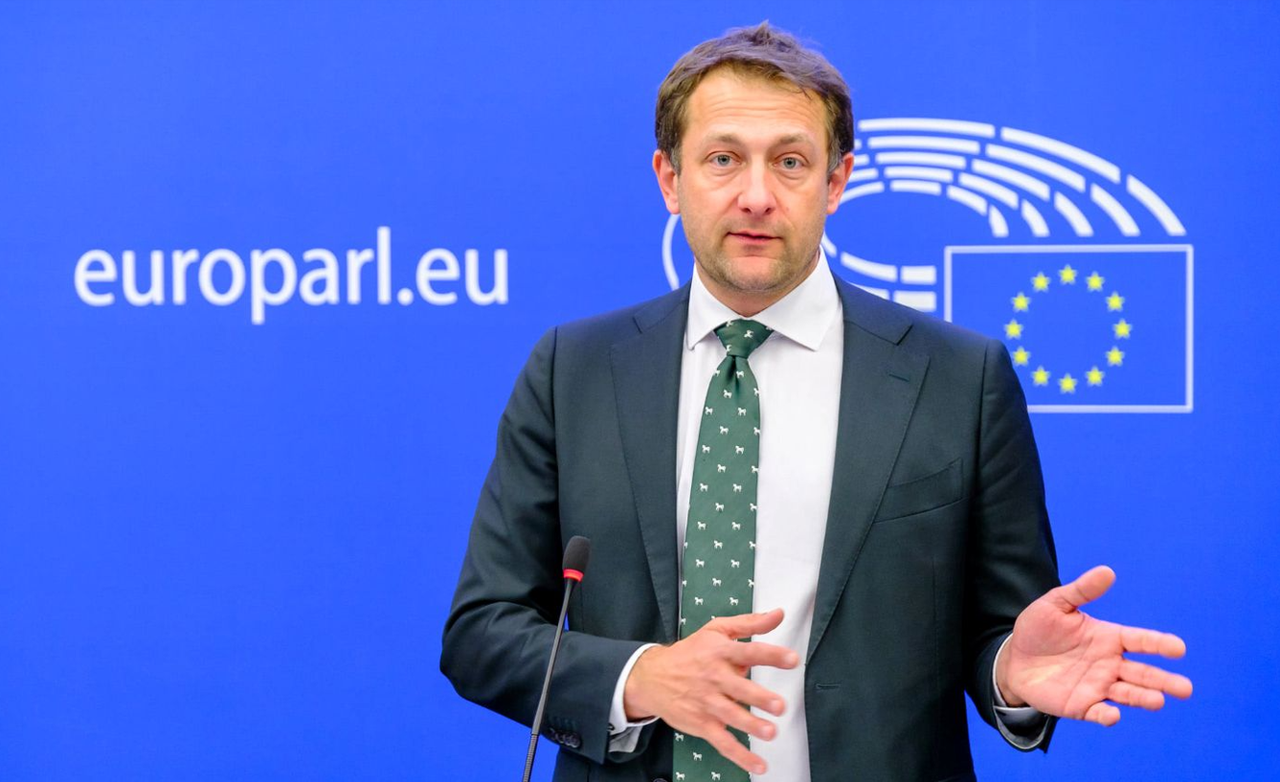
By Commissioner for Agriculture and Food, Christophe Hansen
Fertilisers may not get much attention in our daily lives but they are behind almost every meal we eat.
Crops need nutrients to grow, and fertilisers provide them. Put simply: without fertilisers, there is much less food.
Today, Europe is caught in a vicious cycle. We remain too dependent on imported gas and fertilisers, making us vulnerable to global energy shocks and geopolitical tensions.
Fertiliser production depends heavily on energy. When energy prices rise, fertiliser prices rise too. And when fertiliser prices increase, food production becomes more expensive, pushing up prices for everyone.
At the moment, farmers are carrying these higher costs on their own.
Summer is approaching, and with it the key decisions on what to plant and how much fertiliser to buy.
This is a crucial moment. Some farmers may decide to reduce production if they cannot make a living.
What is at stake is not only their income, but also our food security and the price of our food.
Ensuring that our farmers continue to have access to fertilisers at reasonable and predictable prices is therefore in everyone’s interest.
This is why I propose a European Partnership on Fertilisers.
European fertilisers plan
We are at a crossroads. We can continue down the current path: accepting higher food prices, driving European farmers out of production, increasing dependence on imports and the gradual closure of European fertiliser plants.
Or we can act now to break this cycle, secure our supply and strengthen our domestic production.
This Partnership is about food security, competitiveness and strategic autonomy. It is about ensuring that Europe can continue to produce what it needs. And the work starts now, at all levels.
First, the European Commission will deliver a significant financial support package to EU farmers before summer so they do not have to bear the higher costs of food production alone.
This is European solidarity. Farmers need predictability and support ahead of the next planting season. We must also make full use of innovation to optimise fertiliser use.
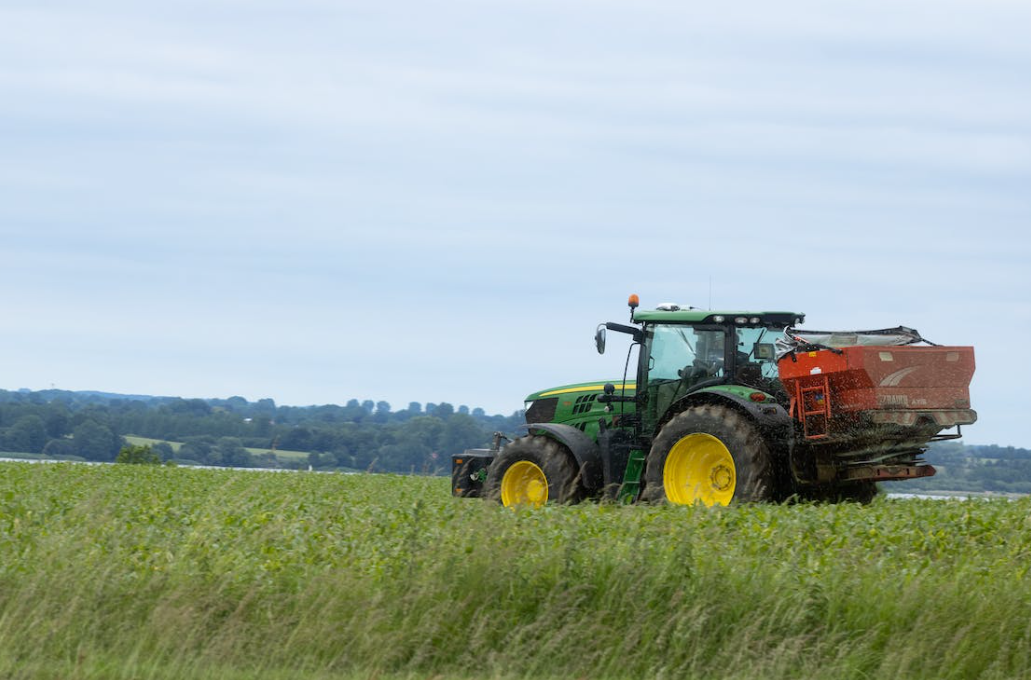
Precision agriculture, satellite data, drones and better agronomic practices can help farmers reduce costs while using fertilisers more efficiently.
Through the Common Agricultural Policy, we will support investments in these technologies and allow advance payments and additional financial support to farmers who need liquidity to continue operating their farms.
Second, we must reduce our dependence on imported fertilisers by making it easier to develop and use European alternatives, in particular organic and bio-based fertilisers.
Many farmers can already recycle nutrients from manure, food waste, compost or other organic materials and turn them into valuable fertilisers.
But there are still too many legal and administrative barriers, both at European and national level, slowing down the development and uptake of new solutions.
We will adapt our legislative framework to better support innovation and the realities on the ground.
This includes reviewing existing rules where needed. Very concretely, we will look, among other things, at how our nitrates rules can better reflect the practical realities of farming calendars.
We need a Europe that makes sense for those working in the fields every day.
Third, we will support actions to increase transparency and dialogue all along the fertiliser supply chain.
The European Commission will bring fertiliser producers, farmers, and EU countries around the table to discuss the current challenges and how to address them together.
This also implies working towards a fully integrated Single Market for fertilisers where farmers could buy products more easily across borders.
The fertiliser market also needs more transparency. That starts with a better understanding of how prices are formed.
We will report on how the costs related to the implementation of our Carbon Border Adjustment Mechanism and our Emissions Trading System are passed on to farmers.
Supporting our industry cannot come at the expense of another sector.
My call is clear: we need a European partnership on fertilisers with investments and actions at European, national and private sector level – and we need it fast.
This is essential for our farmers, for our industry and for all of us who eat every day.
Change will take time. But delaying the necessary action is not an option, if we want to safeguard our food security and autonomy.