Fertiliser Action Plan: Will €400m be on the table?

Fertiliser needs for the current harvest year "appear to be covered" according to the European Commission.
But 2027 is a completely different matter - as the Commissioner for Agriculture and Food, Christophe Hansen, said today (Tuesday, May 19) summer is coming and "this is when farmers will decide what to plant and how much fertilisers to buy".
The commission today adopted a new Fertiliser Action Plan, which it said is "an initiative to support farmers facing rising fertiliser costs and scarcity, reinforce domestic production and reduce Europe's dependency on imports".
According to Commissioner Hansen this action plan is "about securing Europe's food production, competitiveness and strategic autonomy".
He said today the commission will deliver a "substantial financial" support package to farmers who have been impacted by soaring fertiliser prices before the summer.
"This is our commitment, and we will present it in June with the amending budget," the commissioner added.
However the big question revolves around what will that financial support be worth to farmers?
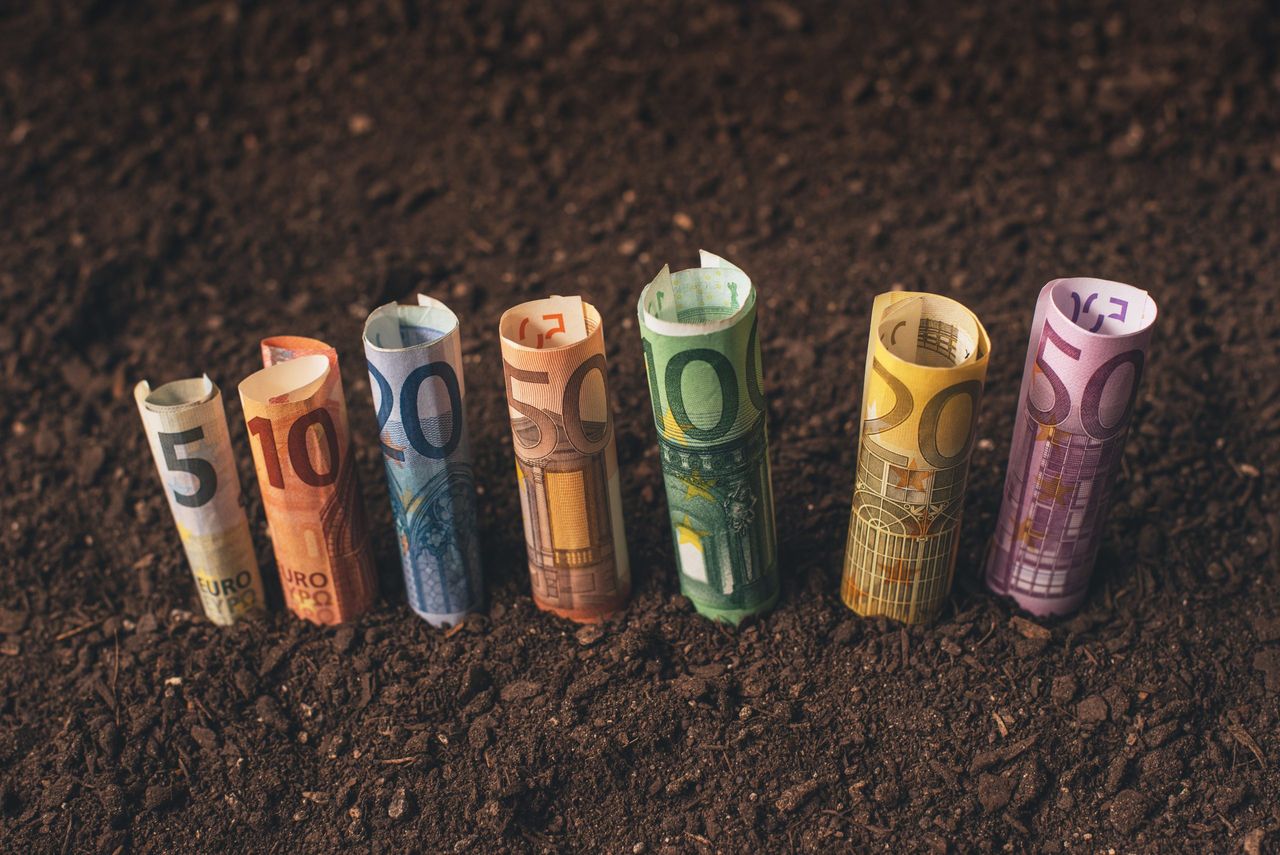
According to the commissioner there is currently more than €200 million sitting in the EU Agricultural Reserve but he believes that "we can least double this amount".
That is yet to be agreed on by the European Parliament and member states so the €400 million is still some way off.
However Commissioner Hansen also detailed that the commisson is set to present "targeted legislative proposals on the current Common Agricultural Policy to give more flexibility to the member states in how they manage their CAP plans.
"We will provide them with options to redirect their unused funds to new liquidity schemes and to pay their annual CAP payments in advance, with less bureaucracy," he added in Strasbourg today.
According to the commission this may take the form of greater flexibility for advanced payments and "stronger incentives for more efficient farming practices that reduce and optimise fertiliser use, shift to bio-based fertilisers and invest in farm resilience where needed".
The commissioner is confident that a "combination of these measures, agricultural reserve and flexibility in national plans, will provide enough cashflow to run farms and keep producing".
Nitrates
Aside from the cash support there was an indication today that the European Commission is going to back a "proportionate implementation of the nitrates directive when it comes to so-called calendar farming, periods when farmers can and cannot spread manure".
Commissioner Hansen said: "Climate conditions are changing.
"Commission will provide further clarifications to member states which will allow them to adapt these rules to the reality of farming and climate conditions in their country".
Will this help farmers to save money in the long run, perhaps but there appears to be no immediate relief when it comes to Carbon Border Adjustment Mechanism (CBAM).
The Fertiliser Action Plan sets out that the commission will work on a report assessing how costs relating to CBAM and the Emission Trading System (ETS) are "passed on to fertiliser prices paid by farmers and ultimately to food prices".
In the meantime as Commissioner Hansen has highlighted "money does not grow on trees or on fields".
Fertiliser Action Plan
Overall the European Commission today proposed a number of "short-term" measures to support farmers including:
- A significant funding package for farmers before the summer;
- More flexibility under CAP rules - new measures would help member states better use existing Common Agricultural Policy (CAP) tools which could deliver:
- The launch of a new EU fertiliser partnership between fertiliser producers, farmers, and member states to improve stability and predictability in the market;
- Short-term steps to make it easier to use digestates under the Nitrates Directive;
- Increased market transparency with up-to-date data on fertiliser availability and prices;
- Support for biogas and biomethane to help scale up projects and remove barriers;
- The EU may consider using emergency market measures if the situation requires it;
- A shared information package for member states on CAP tools, nutrient management, and bio-based fertilisers, plus stronger advisory support;
- Temporary aid rules may be used to support farmers affected by the Middle East crisis, alongside existing support tools.