CCPC: 900 complaints about fuel prices since start of March

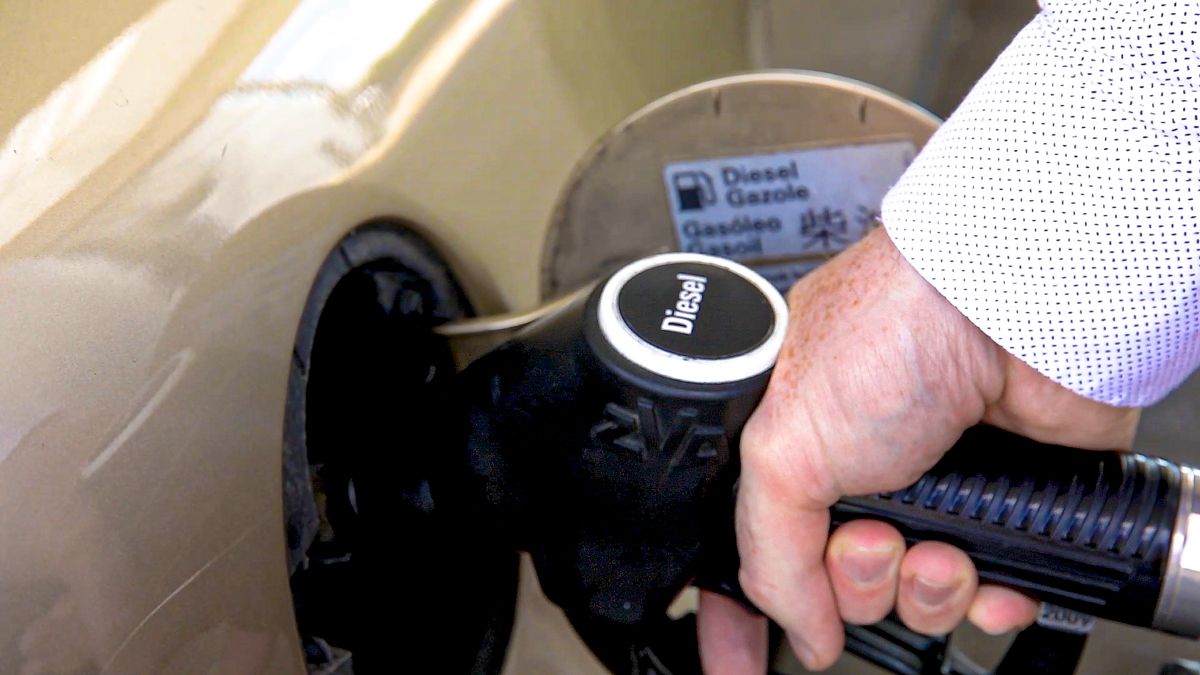
The Competition and Consumer Protection Commission (CCPC) has stated that it received more than 900 complaints from the public about fuel prices since the start of March.
Following significant price increases and calls from government representatives to the public to notify high fuel prices and price gouging to the CCPC, the commission has today (Thursday, April 9) published its report examining the issues raised.
This is in the context of conflict in the Middle East and the resultant impacts on international commodity markets.
The CCPC has published details of more than 900 complaints received from consumers from the week of March2, 2026.
While a small number (fewer than 5%) of complaints reported specific consumer protection issues with certain home heating oil suppliers, the CCPC found that the vast majority of the complaints examined articulated high levels of consumer distress and frustration at very sudden and significant price rises across essential fuel products.
The CCPC has stated that controlling prices in competitive markets is outside the scope of competition and consumer protection law.
As a result, complaints relating solely to price increases would not constitute a breach of these laws.
In response to the consumer protection issues identified, the CCPC has written to the home heating oil industry to remind it of its consumer protection obligations under the law.
This includes the requirement to clearly explain to consumers how their prices are calculated.
CCPC investigators are engaging with consumers and companies to further examine a small number of complaints.
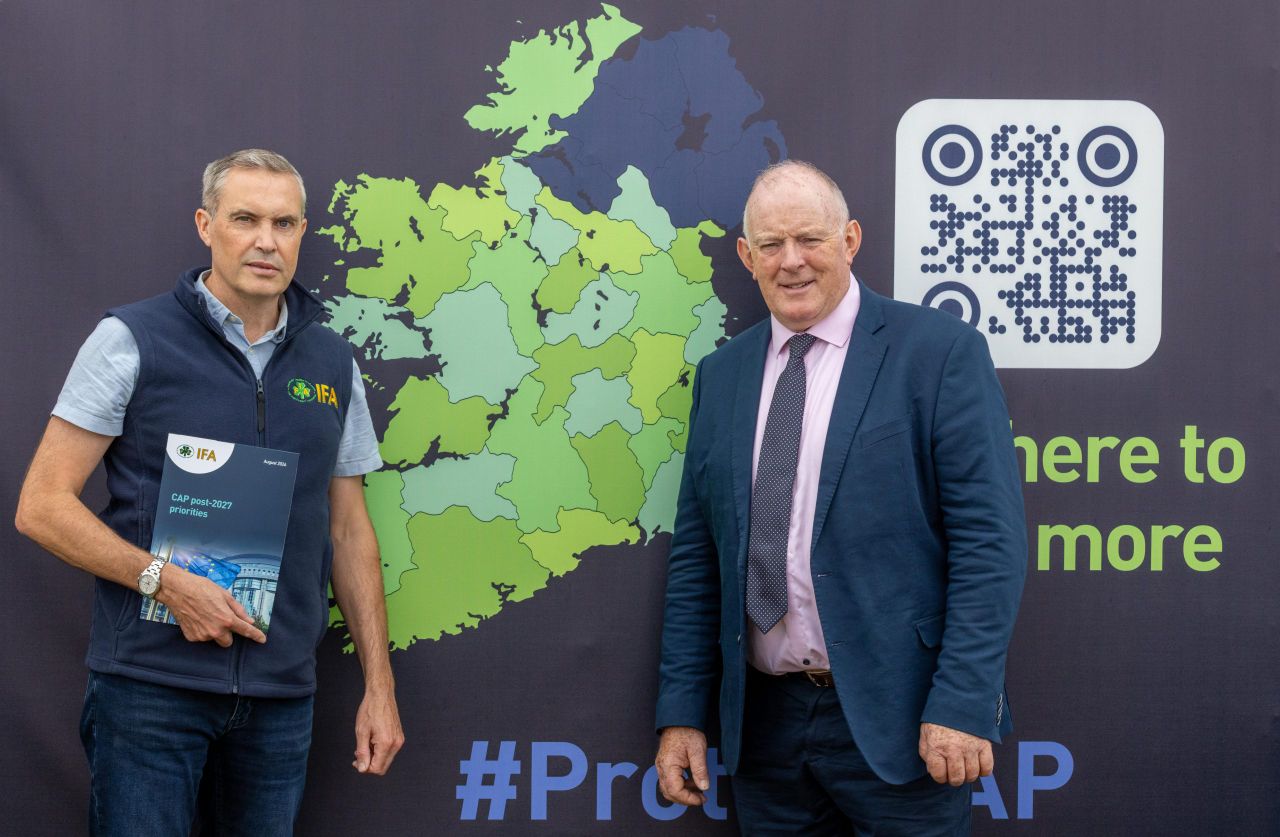
CCPC chair, Brian McHugh, said: “The distress and concern we heard from consumers was very real.
"A large number of consumers suspected that recent price increases were illegal and motivated in significant part to increase profits.
"However, while we have identified a small number of questionable consumer protection practices, we have not seen price increases that are in breach of any law.
"Ireland is an open market economy where businesses are free to set their own prices for goods and services.”
Market analysis
The CCPC report sets out a high-level markets analysis informed by previous research, a large number of merger investigations in road fuels and home heating markets, and a review of published profit margins.
The analysis found that these markets are reasonably competitive.
The CCPC examined wholesale costs in these markets and confirmed stark increases in prices across relevant markets.
The CCPC also compared movements in wholesale prices to retail prices and considered international comparisons of retail fuel prices.
Taken together, the examination of wholesale prices, retail prices and the review of the home heating oil and road fuel markets indicate that the price increases seen in recent weeks were not driven by competition issues, but rather by significant increases in international wholesale costs.
“The CCPC is very familiar with the road fuel and home heating oil markets in Ireland, and we know these markets are relatively competitive," McHugh continued.
"We have examined the wholesale price increases across international markets in recent weeks.
"And, while we cannot rule out that individual companies may have benefited from price increases, overall, the very high price increases we are seeing nationally across both the home heating oil and road fuel markets are driven by increases in wholesale costs.”
Public worry
The number and nature of the complaints received clearly demonstrate very high levels of worry and concern among consumers and the CCPC said it strongly acknowledges the extent of the impact on consumers and businesses.
However, as the increased fuel prices are not due to competition issues in the market, the CCPC added that there are no competition or consumer protection measures that can be taken to alleviate the impacts of high wholesale prices on consumers and businesses.
The CCPC said it will continue to screen contacts to its helpline for breaches of consumer protection and competition law and monitor markets for signs of dysfunction.
The CCPC will also work with the Commission for the Regulation of Utilities (CRU), as requested by the government, on a longer-term study to identify any obstacles currently preventing the electricity and gas markets from operating efficiently.