DAFM releases nematodirus forecast for 2026

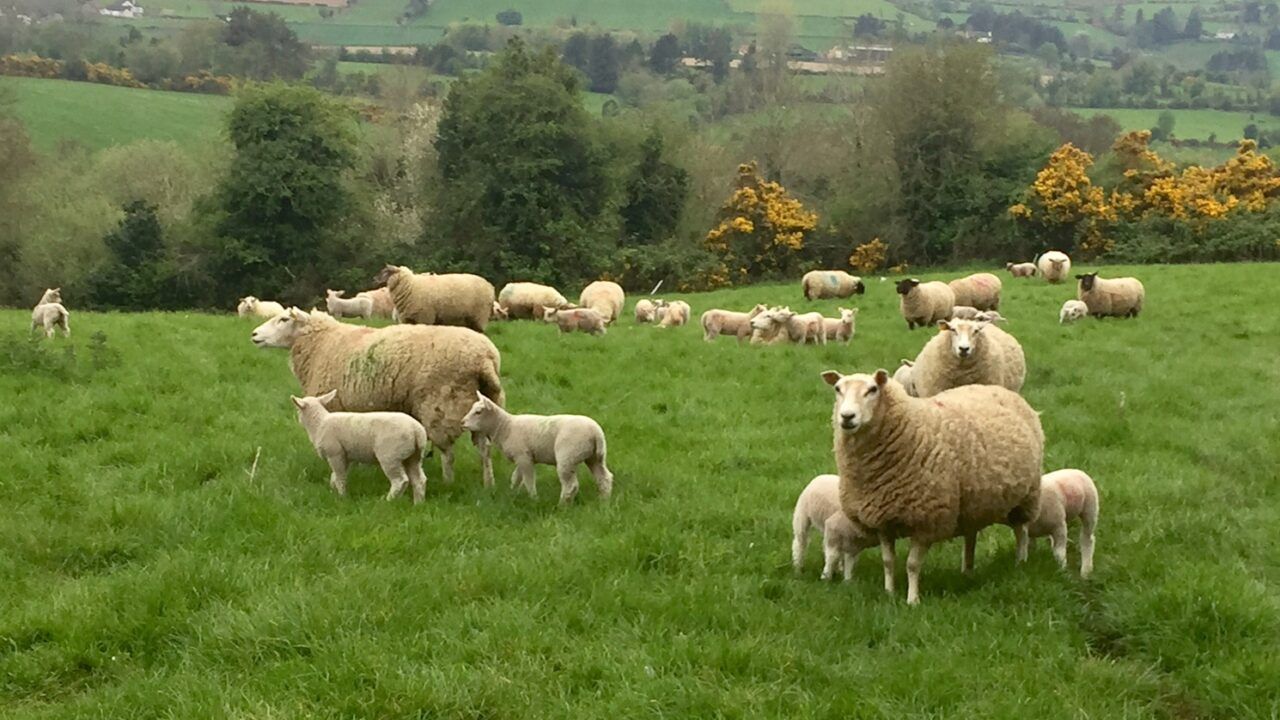
The Department of Agriculture, Food and the Marine (DAFM) has released the 2026 nematodirus forecast, which helps to prevent disease in lambs.
Every spring, the department, in collaboration with Met Éireann, University College Dublin (UCD) and Teagasc, advises farmers of the predicted risk of disease, chiefly in lambs, caused by the roundworm Nematodirus battus.
According to DAFM, nematodirus worms may cause severe diarrhoea in young lambs in spring.
This is due to the tendency of the worm eggs to hatch on pasture over a short period of time, leading to a surge in the numbers of infective larvae on the pasture, which the lambs ingest.
The department said analysis of March soil temperatures allows the period of disease risk to be accurately forecast.
This can be used to gauge the optimal time to administer anthelmintic (wormer) treatment to prevent disease.
Nematodirus forecast
In 2026, this forecast shows that the maximum nematodirus egg hatching is expected to peak generally at the end of March and early April in many areas of the country.
However, some inland areas will see maximum egg hatching around mid-April.
At-risk lambs - typically 6 to 12 weeks-of-age and grazing on contaminated pasture - should be treated approximately two weeks after the peak of nematodirus egg hatching.
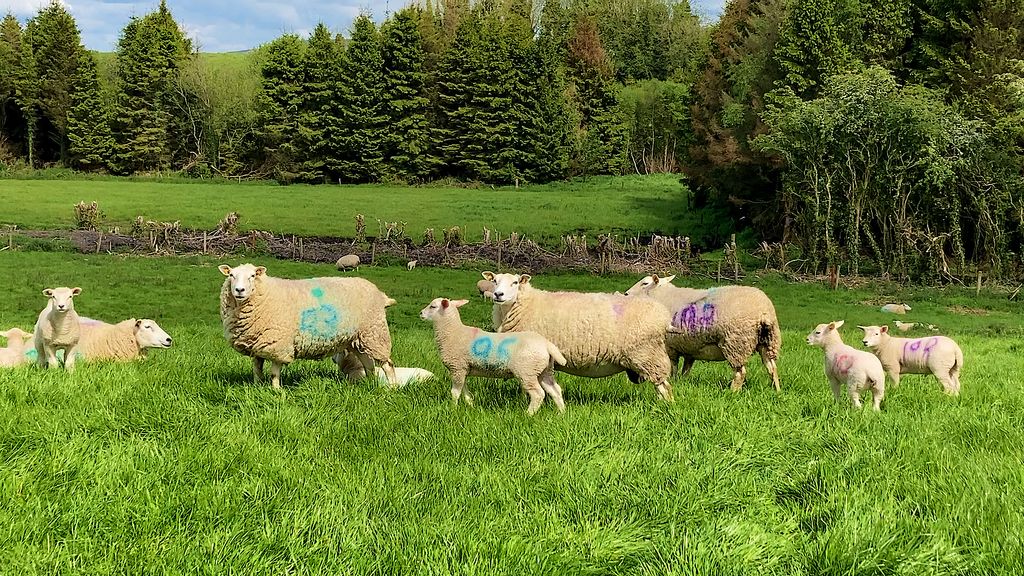
DAFM advised that Benzimidazoles (white drenches) are the treatment of choice for nematodirus infections.
Consideration should be given to dosing lambs earlier on individual farms where clinical signs consistent with nematodirus are observed.
"A private veterinary practitioner should be consulted for an accurate diagnosis and guidance on appropriate medication when lambs with severe diarrhoea and straining are observed.
"This is especially the case where there has been little or no improvement from an initial worming treatment.
"As both nematodirosis and coccidiosis can occur at the same time, treatment may need to be directed against both pathogens," the department said.
Disease
The department noted that the life cycle of the nematodirus worm is unlike that of other roundworms in that eggs deposited on pasture do not hatch until the following year to release the infective larvae.
This happens during a mass hatching event in spring when soil temperatures increase after a period of cold weather.
Disease in lambs typically occurs in the months of April, May and June.
After ingestion by lambs, nematodirus larvae invade the wall of the intestine. Disease is characterised by profuse diarrhoea, dehydration and weight loss.
The department said that calves may also be affected, but usually to a lesser degree.
According to DAFM, this disease is best prevented by keeping the current year’s lambs off any pasture that was grazed by lambs or young calves (which can be carriers of infection) in the previous year.
Twin lambs, or single lambs born to ewes of poor milking ability may be at a greater risk of developing the disease as they begin consuming greater amounts of grass earlier in life.
If "clean" pasture is available, preference should be given to moving these lambs first.