Tips on making quality silage this cutting season

With the silage cutting season gearing up, Teagasc shared important aspects to bear in mind to achieve quality silage.
Tom Deane, adviser at Teagasc Tinahely, said: “In a year where input costs remain high, making excellent quality silage is one of the most cost-effective ways farmers can improve animal performance and reduce concentrate feeding costs.”
Teagasc research shows major variation in silage quality is continuing on farms nationwide.
The research found: “Average first-cut silage quality is approximately 65% DMD (dry matter digestibility), but well-managed crops can regularly achieve 72–75% DMD.”
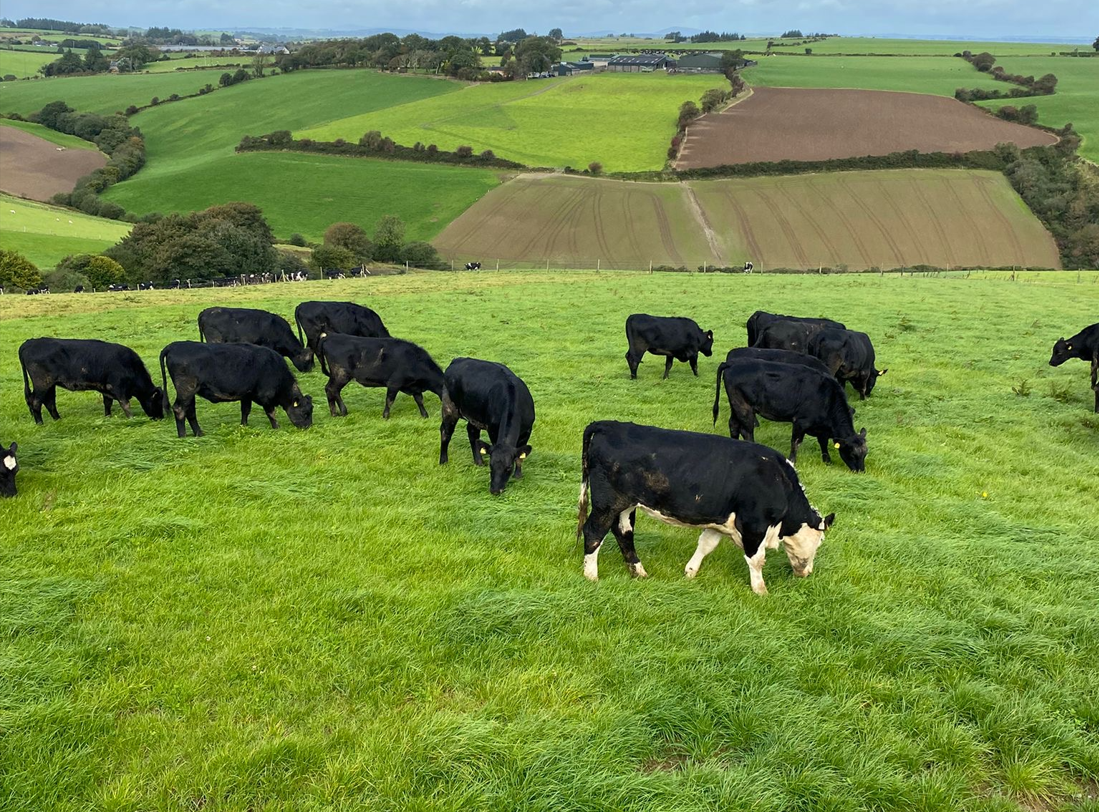
Teagasc figures show that growing cattle offered 75% DMD silage “can achieve liveweight gains of 0.83kg per day without concentrates, compared to just 0.31kg per day on 60 DMD silage”.
Deane said: “With poor quality silage you are either feeding more concentrates to make up the shortfall in nutritional value, or livestock performance takes a hit”.
Silage crops
Deane added that grass crops receiving 100-105kg nitrogen (N)/ha (80-85 units of nitrogen per acre) “are typically ready to cut after 45-50 days’ growth”.
He said: “Growth of the crop increases significantly as cutting date approaches, so it is recommended to walk the crop regularly in order to assess when to cut it.
“Cutting date remains the most important factor influencing silage quality with most farmers aiming for mid-May, with the exception of those on higher ground which can be a few weeks later.
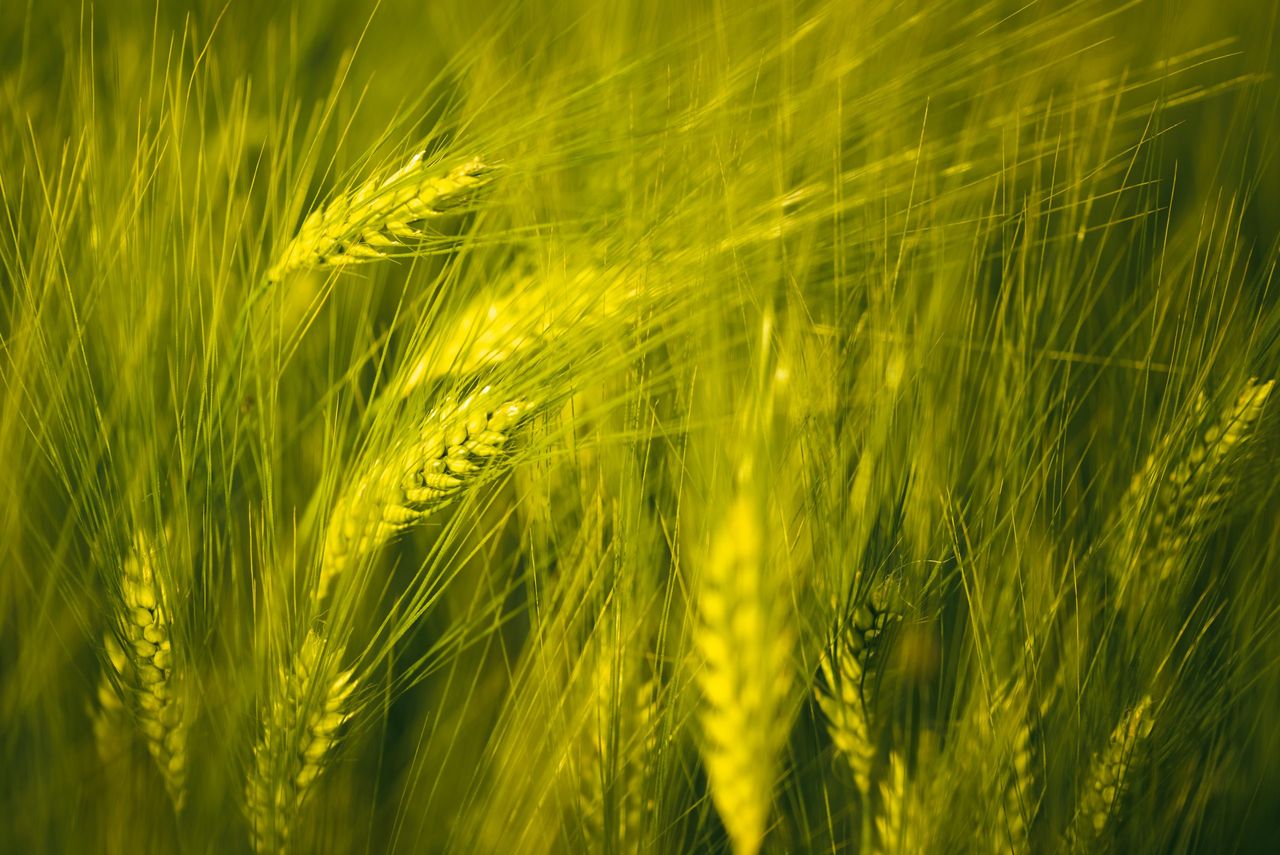
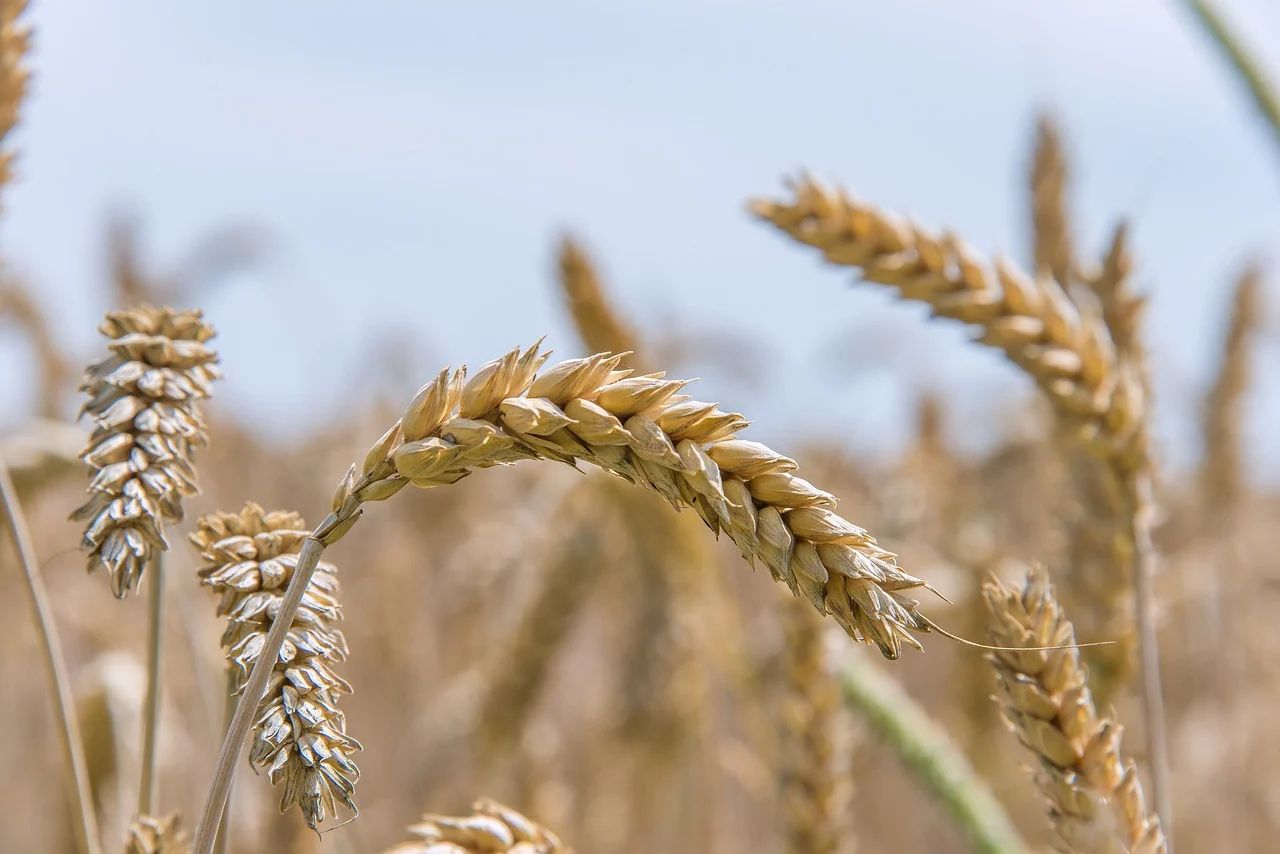
“Once seed heads begin to emerge, grass digestibility and feeding value decline rapidly.”
He added that research shows that DMD can fall by 2/3 units per week after heading.
“While delaying harvest may increase yield, the reduction in feeding quality can significantly increase concentrate requirements next winter, and lead to a greater volume of crop to harvest and transport”.
Saving the crop
Weather permitting, Deane recommended farmers aim for a 24-hour wilt “to bring dry matter up to approximately 30%”.
He added: “Be careful not to wilt too long, especially on light crops and during prolonged dry periods.
“The correct wilting procedure improves fermentation and reduces effluent losses."
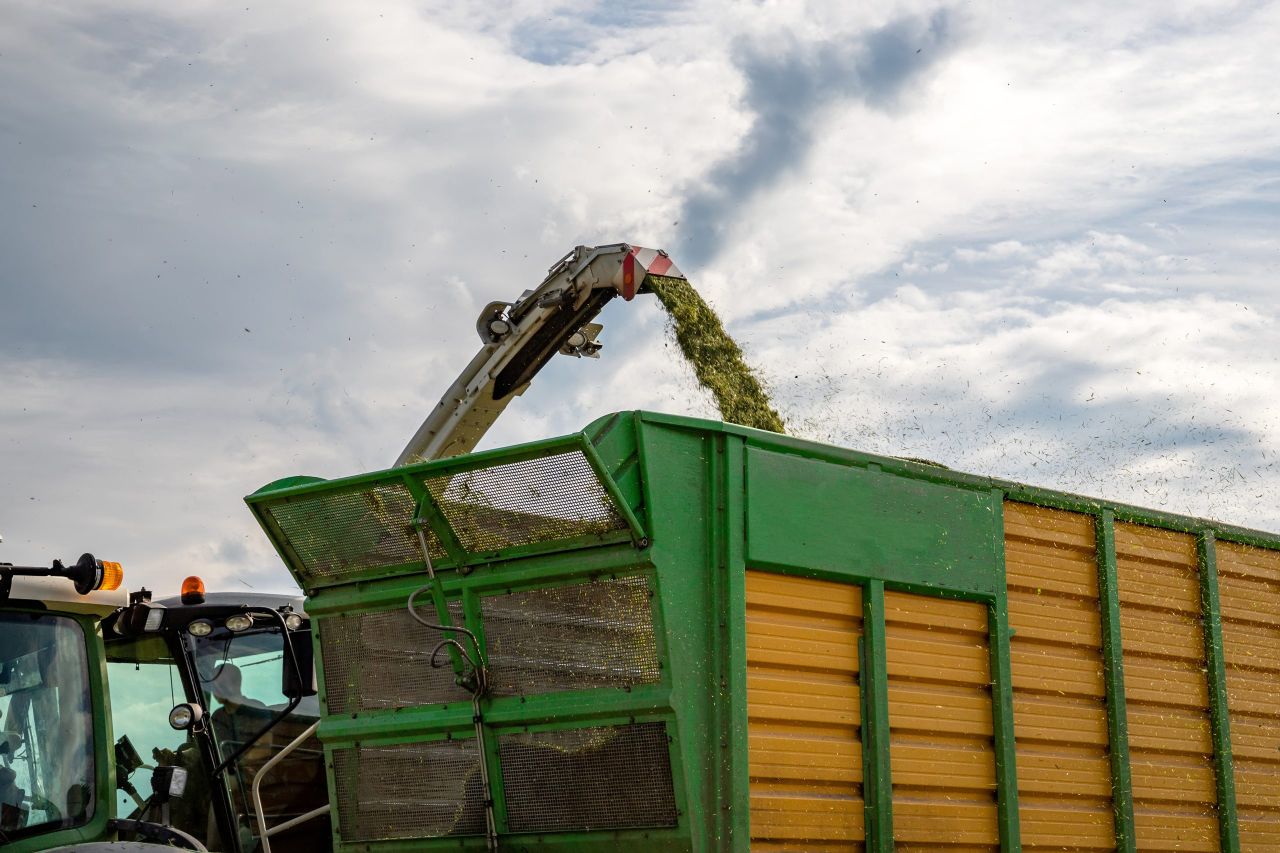
The Teagasc adviser highlighted that during harvesting, "rapid pit filling, rolling to compact, and immediate sealing are essential to exclude oxygen and preserve feed quality".
Deane added: “Good silage is not made by accident.”
“Planning, harvesting at the correct stage and paying attention to detail throughout the process will deliver major benefits in terms of animal performance, winter feeding efficiency, and overall farm profitability through optimised animal performance and feed cost efficiencies.”