PhD student researching BYDV claims Walsh Scholars Gold Medal
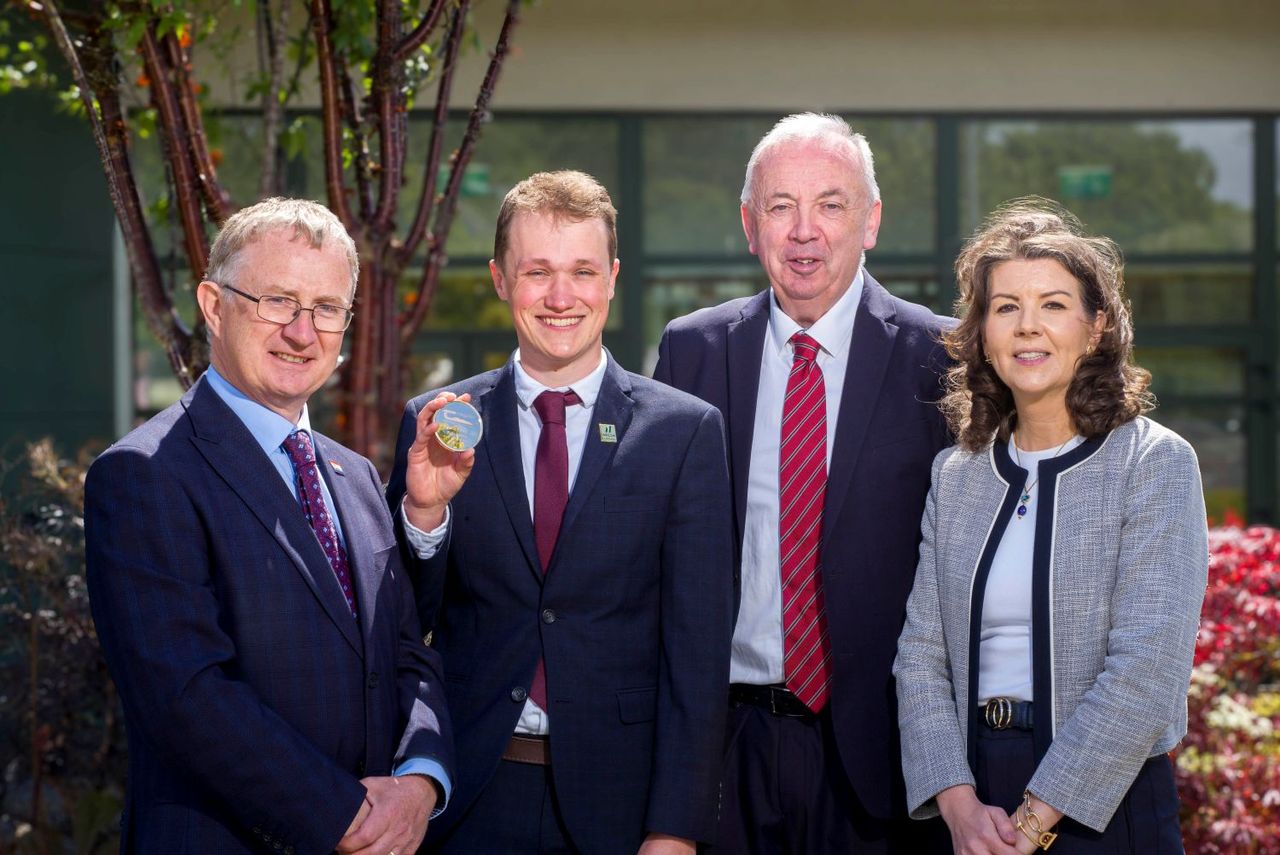
Jack Perry, a PhD student in Teagasc’s Crops, Environment and Land Use Programme, has been awarded the 2026 Walsh Scholars Gold Medal.
Jack’s research focused on improving the management of Barley Yellow Dwarf Virus (BYDV), a major threat to Irish cereal production that can significantly reduce crop yields.
The award was presented today (Wednesday, May 13), at the Walsh Scholars of the Year and Gold Medal Awards Ceremony at Teagasc Ashtown.
As reliance on insecticides becomes increasingly unsustainable, Jack's research explored alternative approaches to managing BYDV risk through a nationwide aphid monitoring programme involving growers across Ireland.
The project evaluated monitoring tools as early-warning systems for predicting virus risk, alongside the use of tolerant barley varieties, decision support tools, and crop management strategies such as delayed sowing.
Walsh Scholars
The Walsh Scholars of the Year competition recognises excellence in research, innovation, communication, and leadership among final year doctoral students within the Teagasc Walsh Scholars Programme.
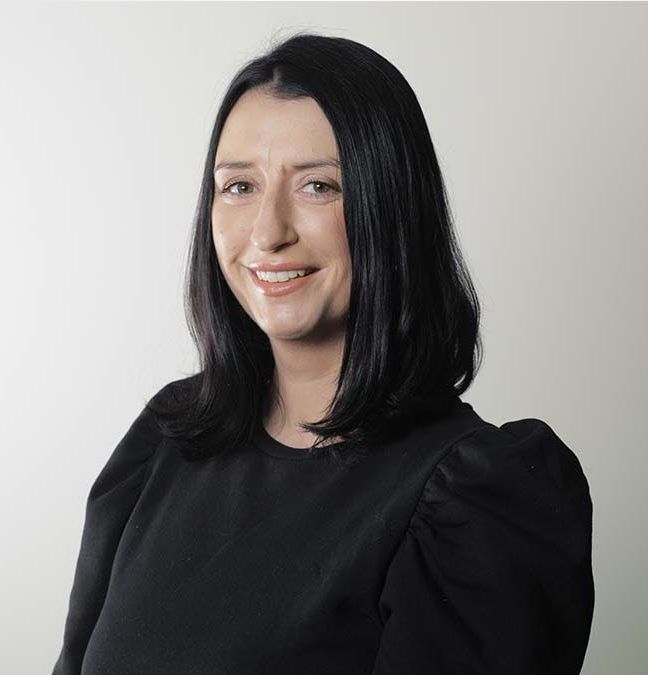
Jane Kavanagh, head of research development and Walsh Scholars at Teagasc, said: "This year’s finalists demonstrated outstanding scientific excellence, innovation, and commitment to addressing real-world challenges".
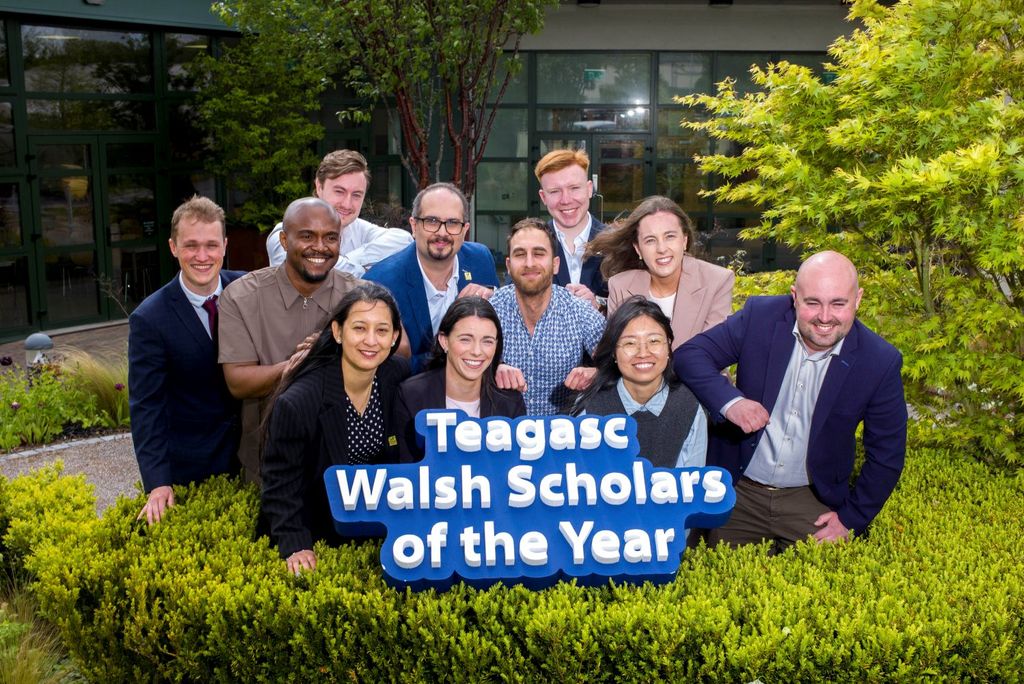
A total of 13 finalists were recognised across Teagasc’s four research programmes as follows:
Animal and Grassland Research and Innovation Programme
- 1st place: Jake Delaney (Irish) – Investigated infectious lameness in Irish sheep flocks to improve animal welfare and productivity;
- 2nd place: Helena Walsh (Irish) – Explored lower chemical nitrogen dairy systems using white clover to improve sustainability;
- 3rd place: Eliza Murphy (Irish) – Examined assisted reproductive technologies to accelerate genetic gain in dairy-beef systems;
- 4th place: Izuchukwu Martin Aroh (Nigerian) – Developed practical strategies to monitor and reduce ammonia emissions from pig farms.
Crops, Environment and Land Use Programme
- 1st place and Gold Medal winner: Jack Perry (British) – Developed sustainable management approaches for aphids and Barley Yellow Dwarf Virus in Irish cereal production;
- 2nd place: Karuna Shrestha (Nepalese) – Investigated disease-tolerant ash and elm trees to support resilient native forests;
- 3rd place: Luke Barnes (British) – Assessed the impact of peat-free compost alternatives on Brassica crop quality and sustainability.
Food Programme
- 1st place: Zuo Song (Chinese) – Investigated the use of Irish-grown plant proteins in hybrid meat and plant-based food products;
- 2nd place: Jack Prendeville (Irish) – Explored duckweed as a sustainable protein source for food and feed systems;
- 3rd place: Stergios Melios (Greek) – Examined consumer acceptance of nitrite-free and meatless cured meat alternatives;
- 4th place: Georgios Anagnostou (Greek) – Applied advanced spectroscopic technologies to predict meat sensory quality.
Rural Economy and Development Programme
- 1st place: Saeed S. Ahangarkolaee (Iranian) – Modelled the cost-effectiveness of greenhouse gas mitigation technologies on Irish farms;
- 2nd place: Mozahid Nur (Bangladeshi) – Evaluated the economic and environmental efficiency of Irish and EU agricultural systems.
This year’s awards also marked Teagasc’s contribution to the first European Doctoral Day.
The initiative celebrates the role of doctoral researchers in advancing scientific excellence, innovation, and societal progress across Europe.
Prof. Frank O’Mara, director of Teagasc, said that "doctoral researchers play a critical role in delivering the innovation and evidence needed to address the major challenges facing agriculture and society".
"The breadth and quality of research presented by this year’s finalists reflects the strength of the Walsh Scholars Programme and the importance of continued investment in research and innovation," he added.