Sales of pesticides in EU rebound after two-year slump

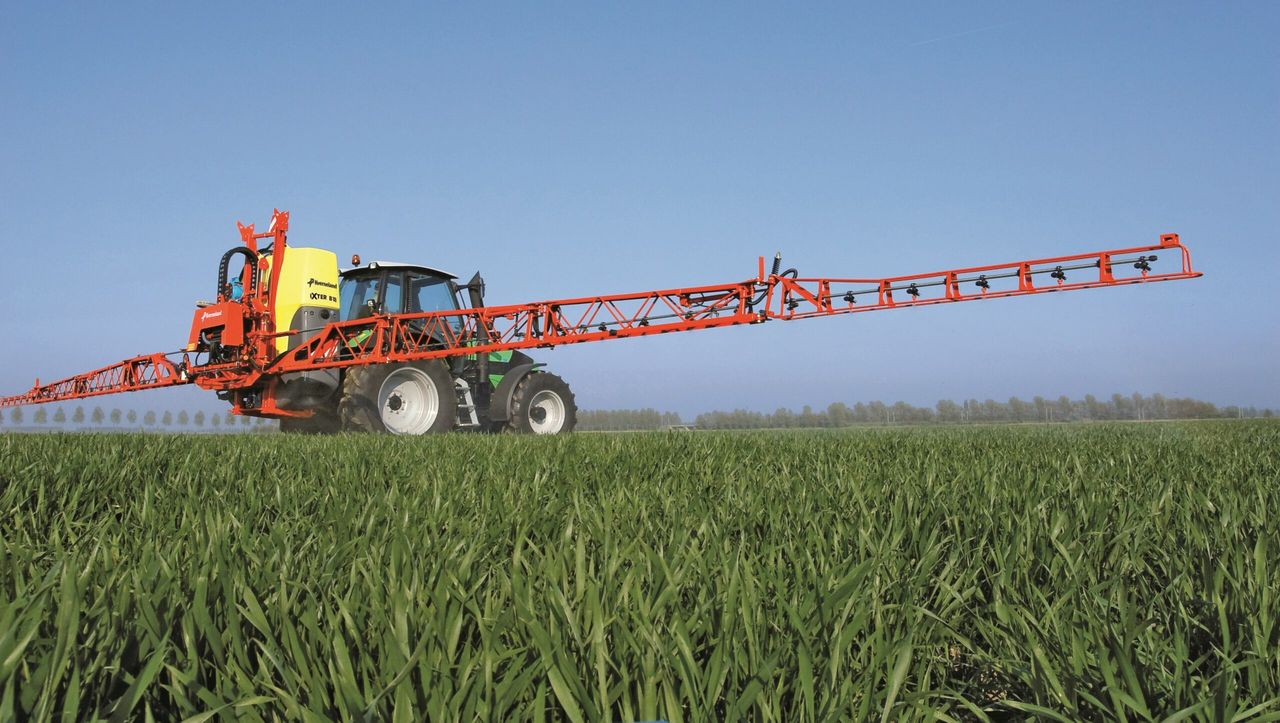
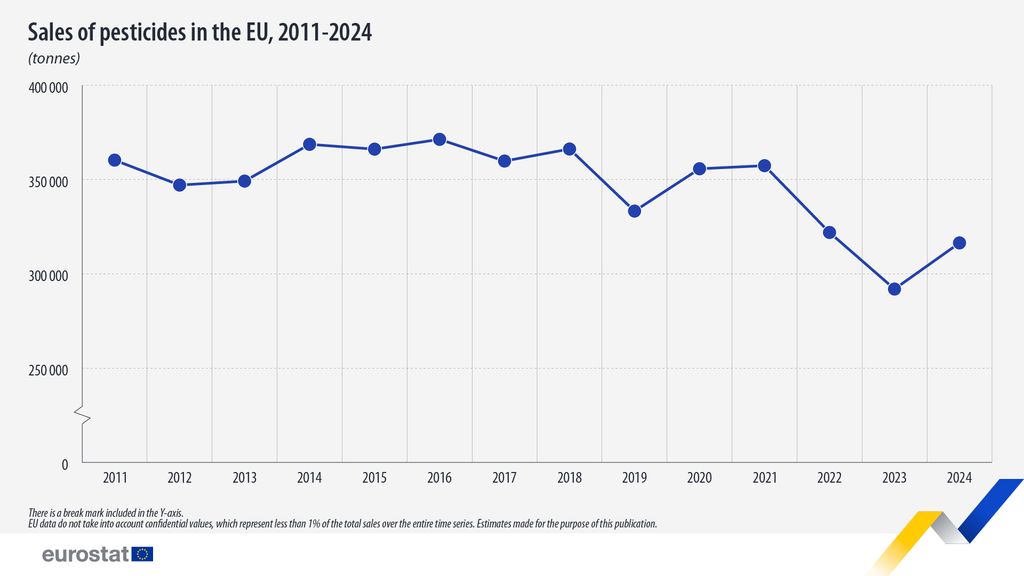
Pesticide sales in the EU reached approximately 316,000t in 2024, marking an 8% rise over the previous year, according to research from Eurostat published today (May 13).
The report noted that while the 8% rise in sales follows two consecutive years of decline, it is still lower than 2011 levels, when nearly 351,000t were sold.
Between 2011 and 2024, there were stark contrasts in the developments of pesticide sales within the EU.
For the 21 countries with data available for both years, sales decreased in 14 of them, most noticeably in Czechia (-44%), Italy (-43%), Ireland (-42%), and Portugal (-40%).
By contrast, sales increased in seven EU countries, with the highest increases in Latvia (+68%), Austria (+52%) and Lithuania (+35%).
The report noted that "the relatively sharp rates of increase in the volumes of pesticides sold in Lithuania and Latvia in part reflect changes from very low absolute sales levels".
The main category of pesticides sold in the EU in 2024 was ‘fungicides and bactericides’ (40%), followed by ‘herbicides, haulm destructors and moss killers’ (35%), and ‘insecticides and acaricides’ (17%).
In 2024, France (22%), Spain (19%), Germany (14%) and Italy (13%) accounted for the highest shares of pesticide sales volumes in the EU. These four countries are also the EU’s largest agricultural producers.
Pesticides and economics
According to Eurostat: “Pesticide use is partly influenced by economics (the most profitable crops are the ones most economically viable to treat), and partly by local soil and climatic conditions that determine the vulnerability of a site to pest infestation.
"It also depends on the type of farming (conventional or organic).
“At the moment, statistical data on the agricultural use of pesticides are available by EU country, but are not harmonised on a European scale.”
Eurostat also noted that the way in which pesticides are used - such as quantities, time and method of application, type of crop, type of soil, etc. - influences their effect on human health and the environment.
"However, apart from the crop type, statistics on these factors are not yet available."
"Risk indicators have therefore been developed based on pesticide sales statistics and other data".