Tillage: Last push to maximise performance of winter cereal crops

This week will provide tillage farmers with the opportunity to complete their disease control programmes on winter cereal crops.
Where winter wheat is concerned, septoria will be the priority at the flag stage.
According to Teagasc, accurate timing and the alternation of products from the leaf 3 applications are crucial to the successful management of the disease.
A fully emerged leaf 1 (flag leaf) and leaf 3 (T1) are the key timings.
Research has shown that plus or minus seven days of a fully emerged flag leaf can make a significant difference in high disease pressure situations.
Folpet should be the first product into the tank. As a multi-site fungicide, it not only helps with disease control but also plays a key role in slowing fungicide resistance.
Winter barley
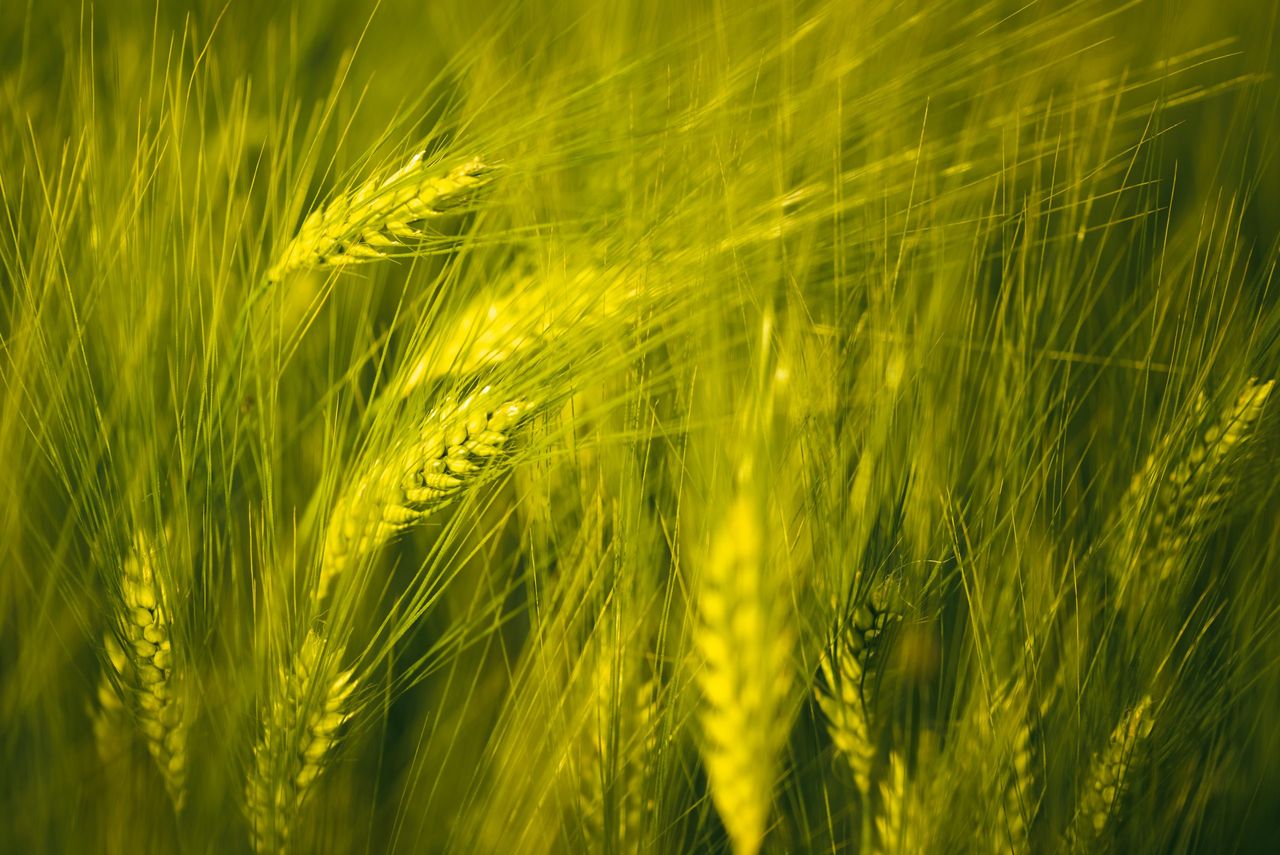
Meanwhile, winter barley crops are fast advancing.
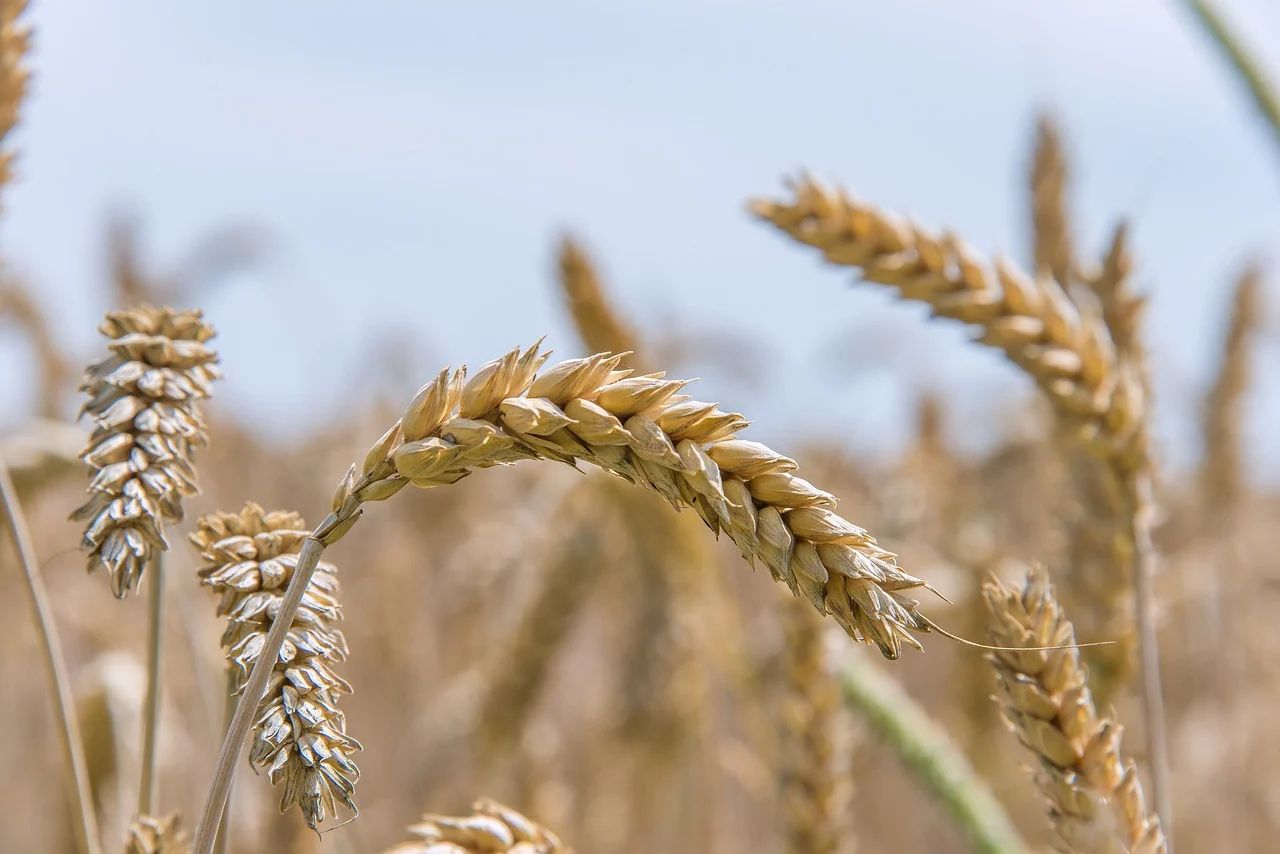
The latest stage to safely use a plant growth regulator (PGR) is the awns peeping stage.
The final fungicide needs to be timed at the awns emerging stage. It should consist of an Azole plus a SDHI/Strob and 1.5L/ha of Folpet to assist in the control of ramularia.
Teagasc experiments on the control of ramularia show that the best timing for the control of the disease comes between growth stage (GS) 45 (boots swollen) and GS 49 (first awns visible).
Significantly, an application of Folpet at GS 59 (ear emergence complete) did not contribute to control.
Spring beans
Chocolate spot remains the primary disease risk in spring beans.
Later planting and dry weather conditions both help to reduce this risk.
The first fungicide should be applied as soon as symptoms are detected, but before the start of flowering.
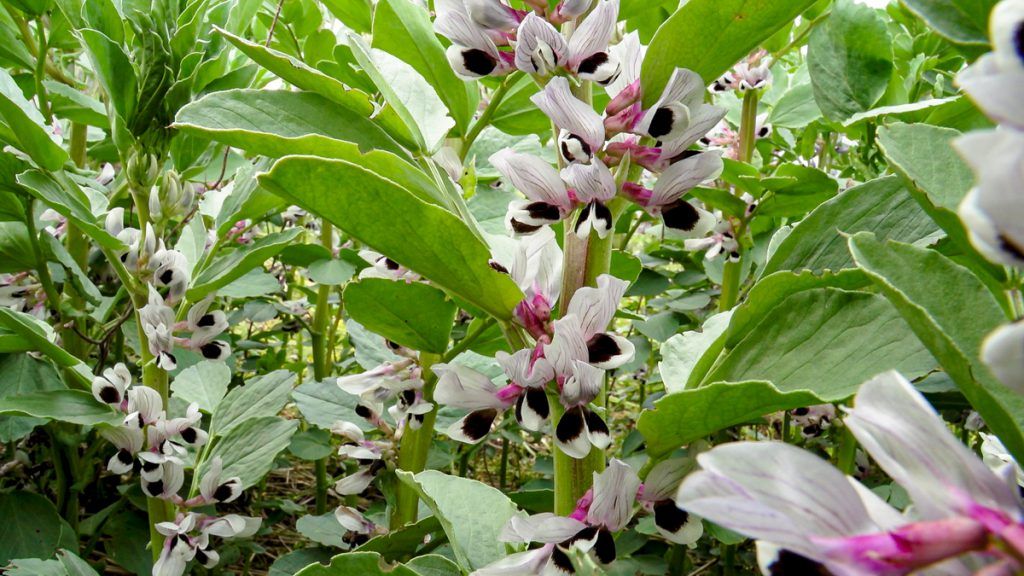
The main products available are Elatus Era and Signum. Application rates will depend on disease pressure but typically range from 0.5–0.75 L/ha for Signum or 0.66 L/ha for Elatus Era.
A second fungicide application, approximately three weeks later, should be based on prevailing weather conditions and ongoing disease risk.
Given the experience of greener, later maturing crops in 2024, reduced rates may be appropriate this year, where crops are late sown and disease pressure remains low.
Sprayer hygiene and maintenance
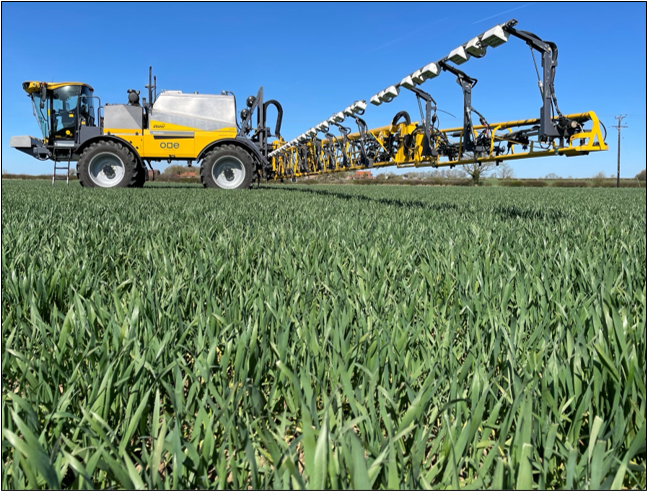
Every year, agronomists and advisors encounter cases where crop damage occurs because a sprayer was not cleaned out properly between applications.
In many situations, the issue is caused by residues from a previous tank mix remaining in the sprayer and contaminating the next crop sprayed.
The consequences can be costly in terms of crop injury, lost yield, and farmer frustration.
One of the most common examples is sulfonylurea (SU) herbicide damage in broad-leaved crops such as beans, beet or oilseed rape.
Even small traces of SU herbicides left in the tank, pipework, filters or boom ends can cause significant crop damage.
Another common issue occurs where herbicides designed specifically for winter wheat remain in the sprayer and subsequently damage a barley crop.
However, perhaps the most common issue encountered on farms is glyphosate residue remaining in the sprayer, particularly where poor clean out occurs before moving into other crops.
Even low levels of glyphosate contamination can result in significant crop damage.
Good sprayer hygiene is therefore essential during busy spray periods to prevent crop injury and subsequent yield loss.