Grazing advice: Taking paddocks out for silage when weather allows

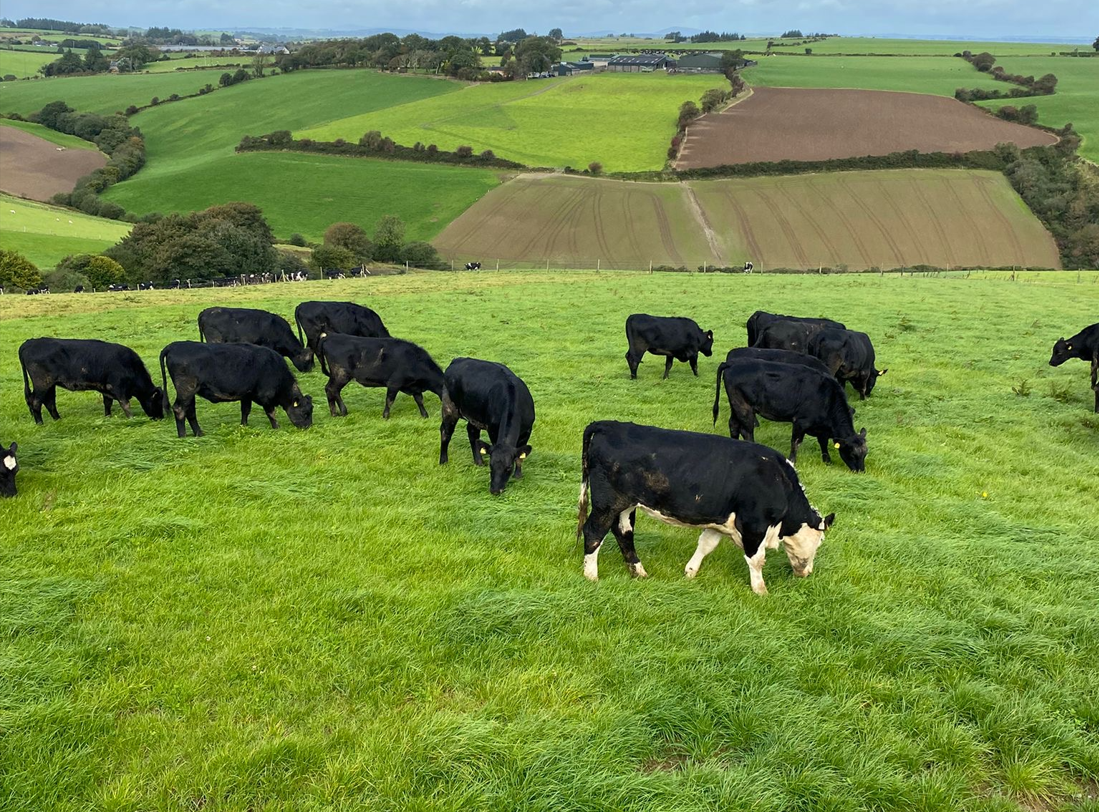
The majority of farms are currently grazing covers of grass that are too high, according to Teagasc.
In the latest newsletter update from the Grass10 initiative, Teagasc reminded famers to target a pre-grazing yield between 1,300-1,400kg dry matter (DM)/ha to ensure grass quality is maintained to maximise animal performance.
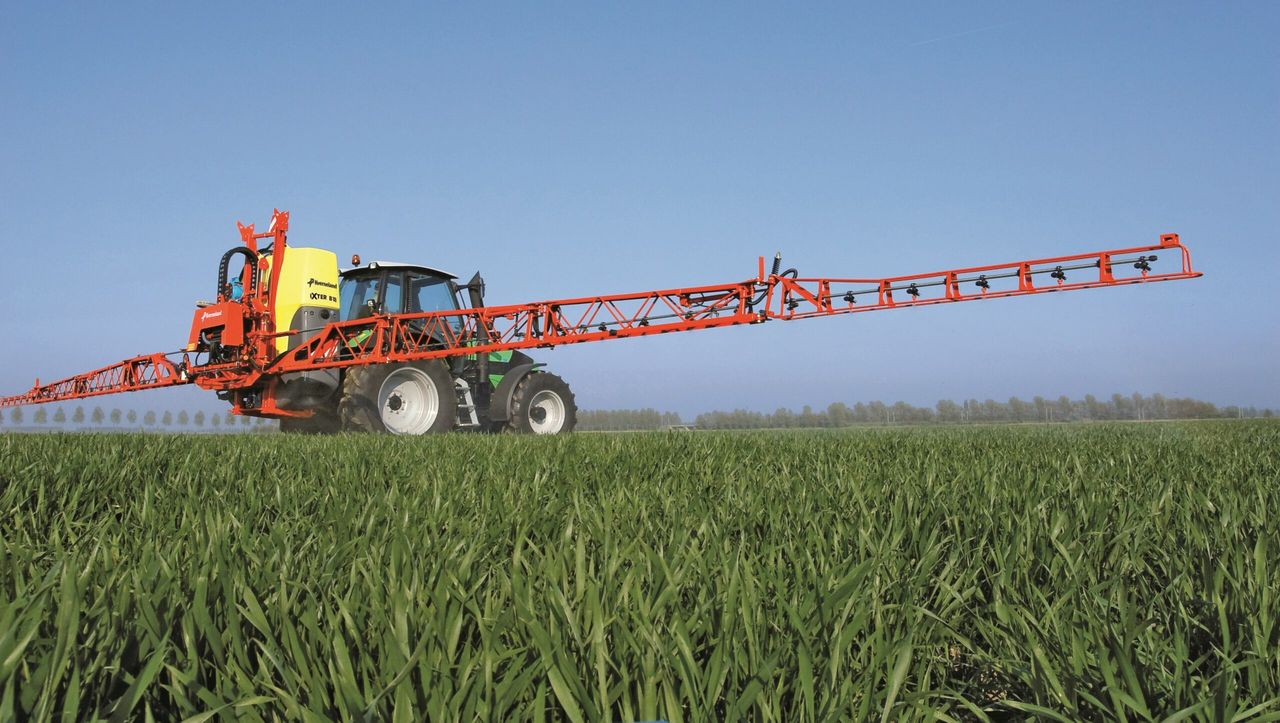
Where grass covers are too heavy, some of these paddocks should be skipped and taken out as a cut of silage when weather conditions allow.
According to Teagasc, over 50% of farms are still struggling with a cover/livestock unit (LU) >190kg DM/ha and a pre grazing yield of over 1,500kg DM/ha.
The farm advisory body said that action needs to be taken to address the pre-grazing yield, reduce cover/LU and bring average farm cover (AFC) to approximately 650kg DM/ha.
Grazing
For farmers who are not familiar with the 'kg DM/ha' figures, the aim should be to graze a grass plant between the 2-3 leaf stage, when it is still green from root to leaf and before any stem develops.
Farmers will notice during May that grass composition is changing as seed heads appear and keeping grass quality correct becomes more challenging.
Getting pre-grazing covers right will help maximise grass leaf content, maximise growth, and keep paddock clean outs at 4cm.
An 18-21 day grazing rotation is advisable as a general rule of thumb, as a leaf appears every 7 days and this allows enough time for nutrient uptake and for paddocks to recover.
Farmers are advised to walk their paddocks every 4-5 days to monitor grass growth and make grazing decisions based on this.
Higher grass covers
Heavier covers of grass often make it more challenging to achieve a clean graze out on and this can impact the pasture quality in the next rotation.
The Teagasc advice to farmers with higher grass covers on their paddocks is to replace other feeds going into the diet with the correct quality grass.
Another option is to convert surplus grass into silage or consider reseeding paddocks.
Some farmers are often reluctant to take paddocks out of the grazing rotation for fear of subsequently running tight on grass.
Teagasc advises farmers to utilise tools available to them on PastureBase Ireland, where the Grass wedge allows users to change the paddock status (grass, silage - cut now/cut later, reseed) and get an idea of the change to average farm cover (AFC) and cover/LU as a result before implementing them on farm.
The 'predicted wedge' will help farmers make informed grazing decisions.