Tillage: Avoid scorching crops as temperatures soar

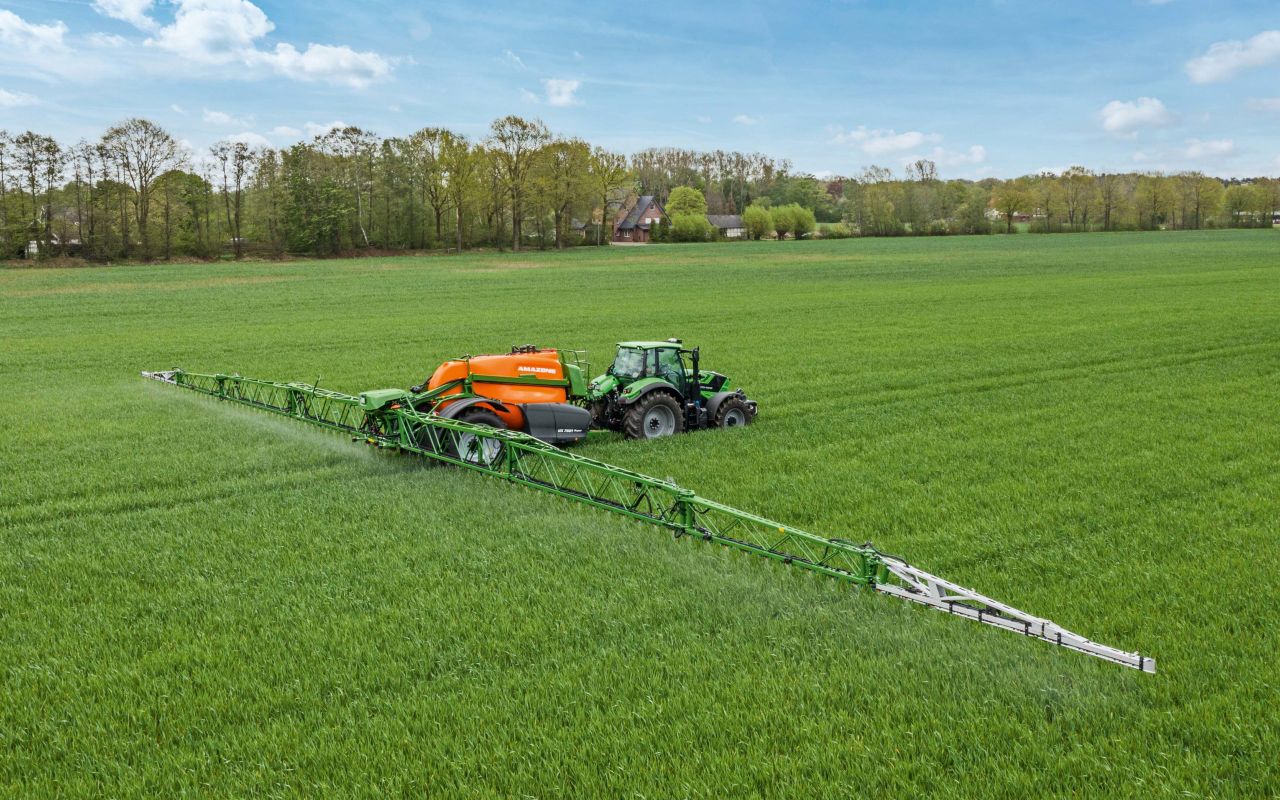
Tillage farmers have been advised to avoid scorching crops if spraying during the current warm, dry spell.
Teagasc tillage specialist, Shay Phelan, explained: “Growers should spray crops in the mornings and evenings this week.
“If they are sprayed during the full heat of the day, the risk of scorching is extremely high.”
The onset of hot, dry conditions after a period of changeable weather has acted to significantly boost crop growth rates.
Phelan said: “Where wheat crops are concerned, most flag leaf spray programmes are now complete.
"Meanwhile, winter barley and oats have received all of their fungicide spray applications at this stage.”
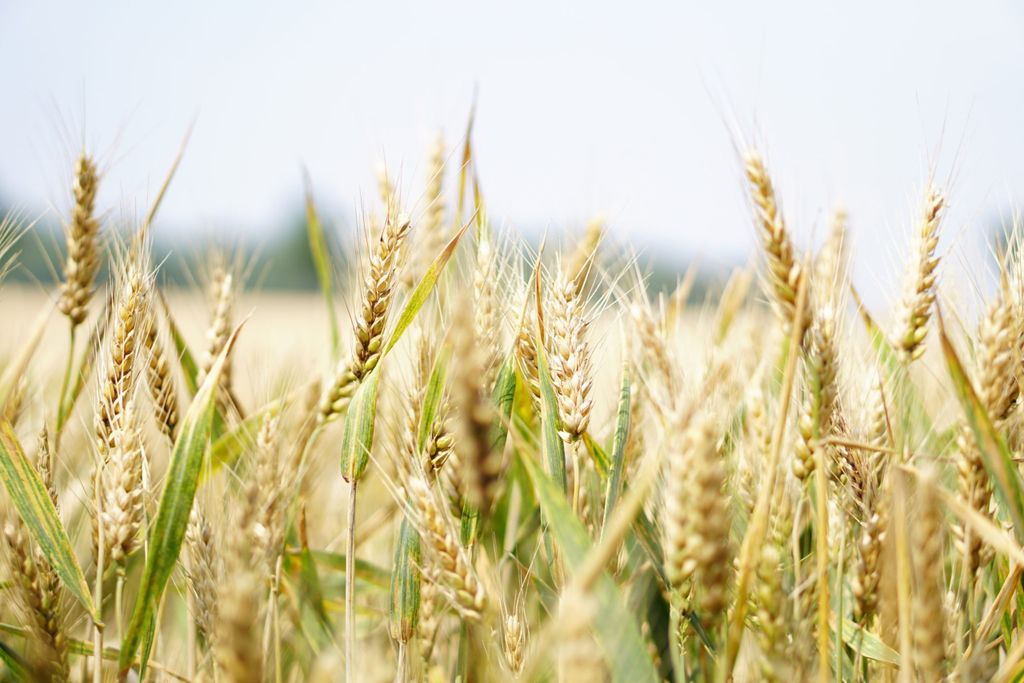
Significantly, Teagasc is confirming that disease pressure on all cereal crops is extremely low at the present time. This is a direct result of the dry weather conditions.
Spring crops are growing ahead at a significant rate. Many have reached the T1 growth stage and should be sprayed for disease accordingly.
Fungicides
In order to maximise yield at harvest, applying a fungicide at the correct time is the foundation for successful disease control in spring barley.
Teagasc research from Oakpark has demonstrated that applying the first fungicide at mid/late tillering and a second at awn emergence can result in a yield increase of over 0.5t/ha in a high disease-pressure year over delayed timings.
Growers should use a mix of active ingredients that target the potential disease threats. Folpet should be included in a a tank mix at a rate of 1.5L/ha to assist in the control of ramularia.
All fungicides have strengths and weakness so it is important to match the correct fungicide with the varietal characteristics.
Current spring barley varieties have high ratings for resistance to mildew so the inclusion of a specific mildewicide is rarely warranted.
However, it is essential to walk the crop beforehand and then decide on fungicide choice and rate in conjunction with the varietal characteristics.
A mismatch of fungicide and variety can lead to either poor disease control or unwarranted fungicide use.
Spring beans
Teagasc agronomists point out that foliar diseases in bean crops - such as chocolate spot, downy mildew, and rusts - must be controlled.
This approach ensures that the leaves are maintained in an active state for for as long as possible.
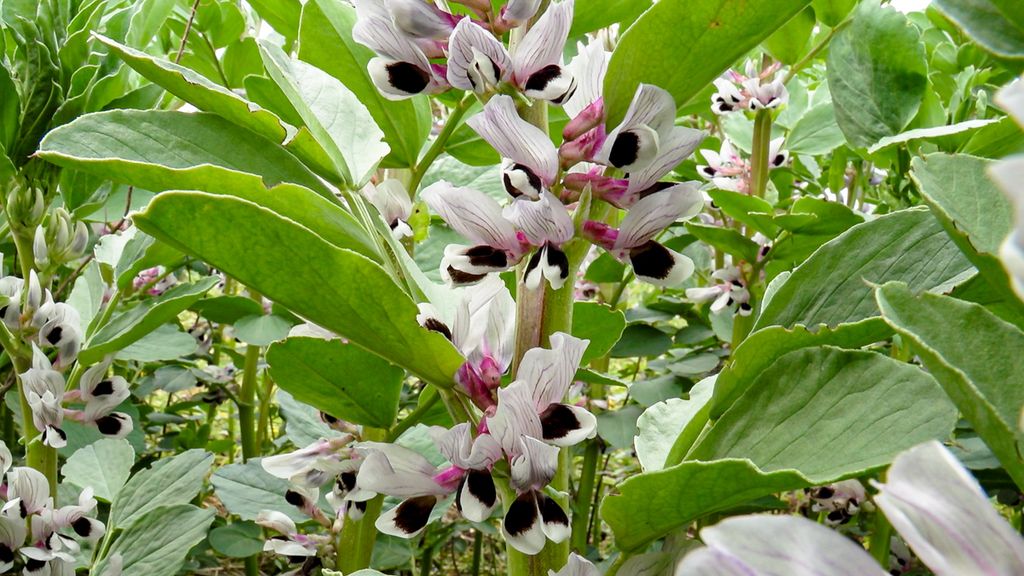
All diseases of beans develop quickly in warm humid conditions. For chocolate spot control, fungicides need to be applied before the disease develops.
Therefore, growers should apply a fungicide at the first signs of disease or, in any case, at the start of flowering.
This process should be repeated two to three weeks later.