The challenge posed by Barley Yellow Dwarf Virus in 2026

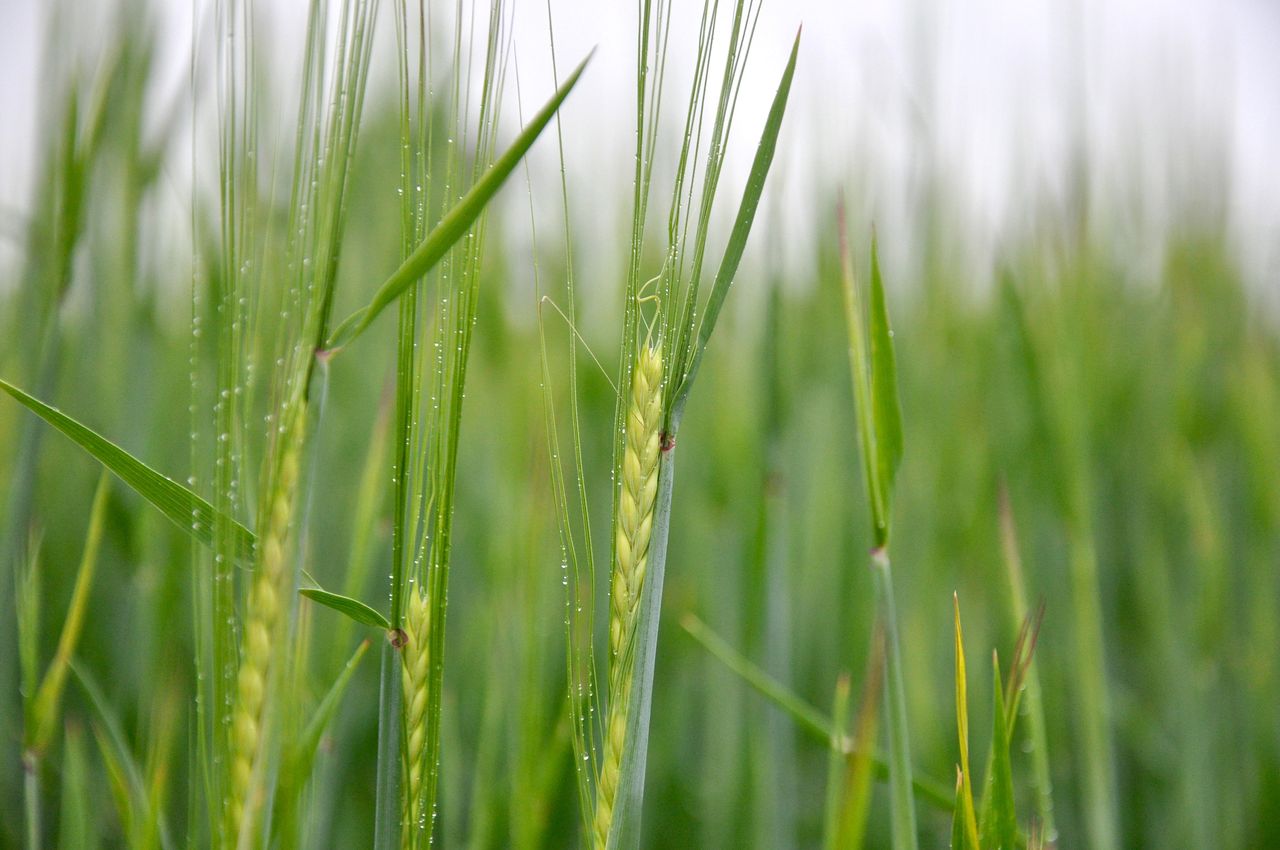
The latest edition of Teagasc’s ‘Tillage Edge’ podcast focuses on the challenges posed by Barley Yellow Dwarf Virus (BYDV) in 2026.
The spring planting season is now in full swing with agronomists confirming that planting date is the most effective non-chemical control option when it comes to dealing with a threat to cereal crop production that can best be described as a ‘significant yield robber’.
And this approach to crop establishment is of particular relevance during periods of mild weather.
Given rising costs and ever tighter margins, it is increasingly important for tillage farmers to maximise the performance achieved from every crop they grow.
BYDV
Spring cereals are particularly prone to aphid attack and, consequently, the impact of BYDV infections.
However, not all crops are exposed to the same level of risk, so careful management is needed to avoid unnecessary insecticide applications.
There has been a significant amount of research carried out over recent years looking at ways of best controlling the threat posed by BYDV.

Teagasc’s Dr. Louise McNamara is involved in the development of integrated pest management systems with a focus on the impact of insects on arable crops.
She explained: “BYDV is a plant virus spread by cereal aphids when they feed on crops. However, there are a multiple of virus strains that contributes to the disease.
“We are concerned about the impact of BYDV on all cereals - not just barley.
“Disease risk is higher when aphids are most active. Hence the particular threat posed by BYDV during the early autumn and late spring periods.”
According to the Teagasc scientist, spring planting date is the greatest determinant of BYDV risk: not the actual cereal type that is planted out.
She said: “Spring wheat and spring oats tend to be planted that little bit earlier than crops of spring barley.
"It is for this reason that BYDV is more closely associated with the planting of barley at this time of the year.
“Aphids are not as active in early March. However, this scenario changes as the weather warms up.
“Aphid activity is closely associated with temperature.”
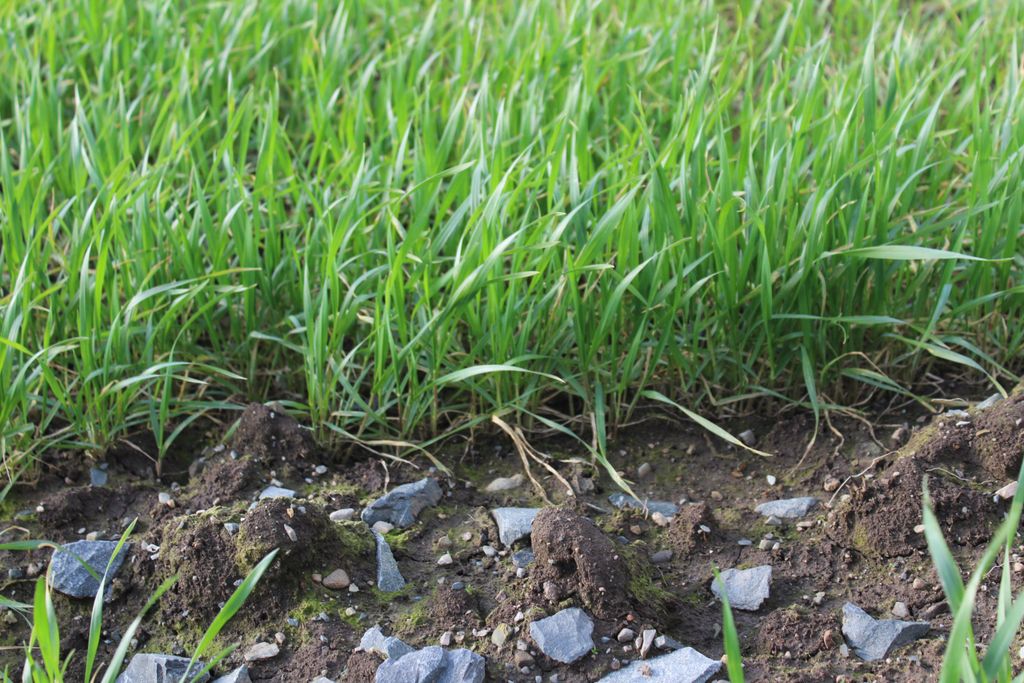
BYDV infection rates will vary a lot from year to year, both in terms of weather trends and crop location.
So, for example, crops planted in coastal areas will be subject to milder winters with fewer frosts.
In turn, this increases the BYDV threat as the weather conditions suit aphids.
There is also a host of factors that come into play at a field level, surrounding landscapes and the impact of green bridges.
Dr. McNamara continued: “So there are lots of factors coming into play, which means that we cannot predict that certain parts of the country will be more prone to the threat of BYDV than other parts.
“It’s a mixture of the temperature in any given year and the specific risk factors associated with individual fields.”
The winter just past had been very mild in terms of temperature. However, the last few days have been characterised by frosty mornings.
Drops in temperature reduce aphid activity and reproduction rates. This then reduces the amount of virus that can impact on cereal crops.

But it takes a high degree of frost to actually kill off significant number of aphids.
As a result, their activity levels will pick up again once temperatures start to increase, a point added to by Dr. Namara.
“Planting date is the strongest non-chemical tool that can be used by tillage farmers when it comes to controlling BYDV levels within spring cereal crops.
“Another issue to be factored in when it comes to growing of spring crops is the restricted number of varieties available relative to an autumn planting scenario.
“BYDV tolerant winter barley varieties are now available, which add to the impact of planting date from a BYDV management perspective."
This year has seen the bulk of spring planting undertaken during the second half of March. As a result, most crops are at the one and two leaf stages.
“Mid March planting dates translates into a low to medium risk of BYDV infection, assuming weather conditions are mild.
“This figure rises significantly if the sowing date is put back to the middle of April.
“But each field has its own individual risk factors coming into play as well.
“It’s important that farmers know the BYDV history of the individual fields that they are planting out," Dr. McNamara added.
Insecticide resistance
Meanwhile, the issue of insecticide resistance continues to take centre stage, where the chemical control of aphids is concerned.
Pyrethroids now constitute the only class of product available in this regard.
According to Dr. McNamara, three types of aphid spread BYDV in Ireland. Of these, the grain aphid has been shown to have insecticide resistance.
She said: “Teagasc trials have confirmed that pyrethroids deliver significant levels of aphid control, particularly in winter crops.
“In general terms, this specific chemistry is still working under Irish conditions.”