Teagasc updates growers on apple research

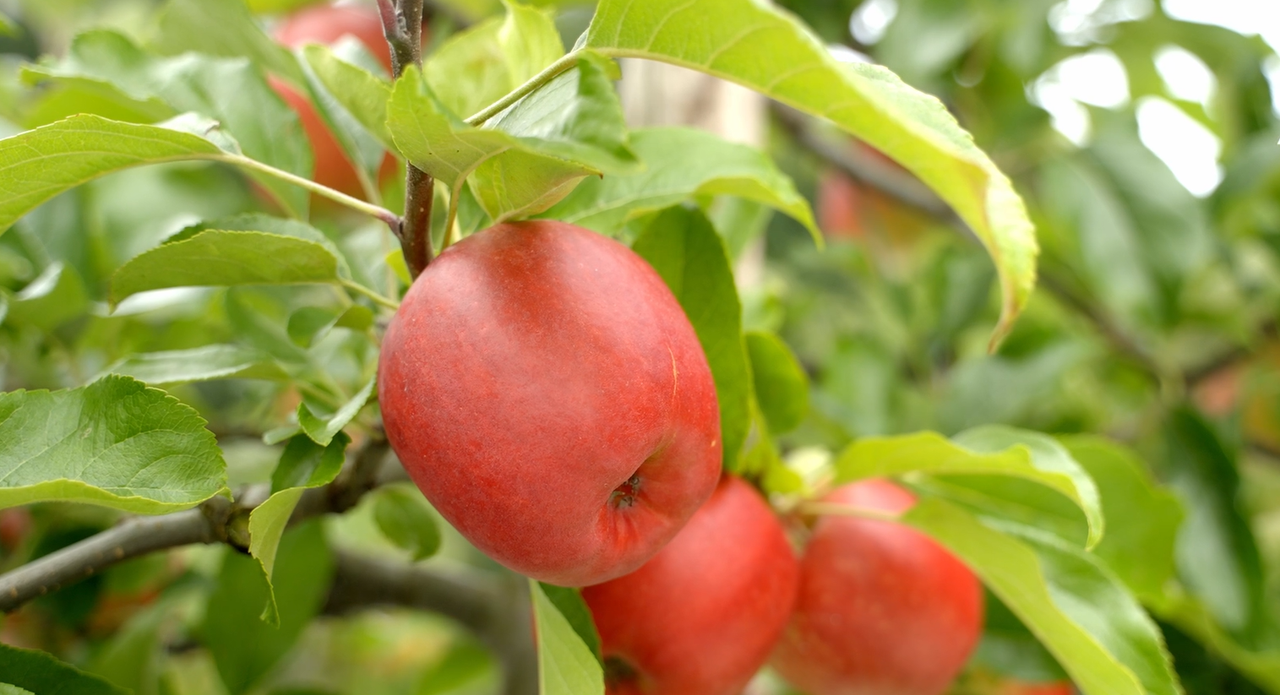
Apple growers and others from the horticulture sector visited Teagasc's experimental orchard to learn about ongoing research.
In order to help strengthen national production, Teagasc has established an applied apple research programme, with the aim of making apple production more attractive to growers and to increase the supply of high-quality, Irish-grown apples.
The research programme is focusing on developing a competitive and sustainable apple sector that is adapted to Irish growing conditions.
A key part of this work involves the long-term evaluation of the agronomic performance and fruit quality of the more than 50 apple varieties grown in Ireland.
The objective is to identify varieties that meet the quality standards required for commercial production.
Teagasc researchers provided a research update recently on the latest developments in Irish apple production.
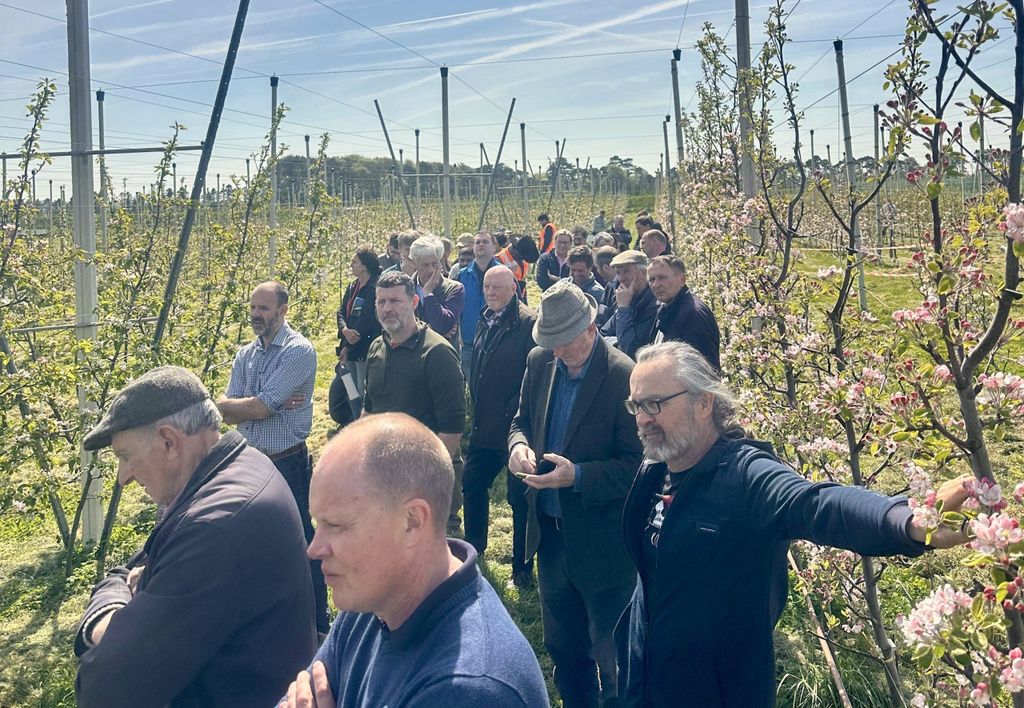
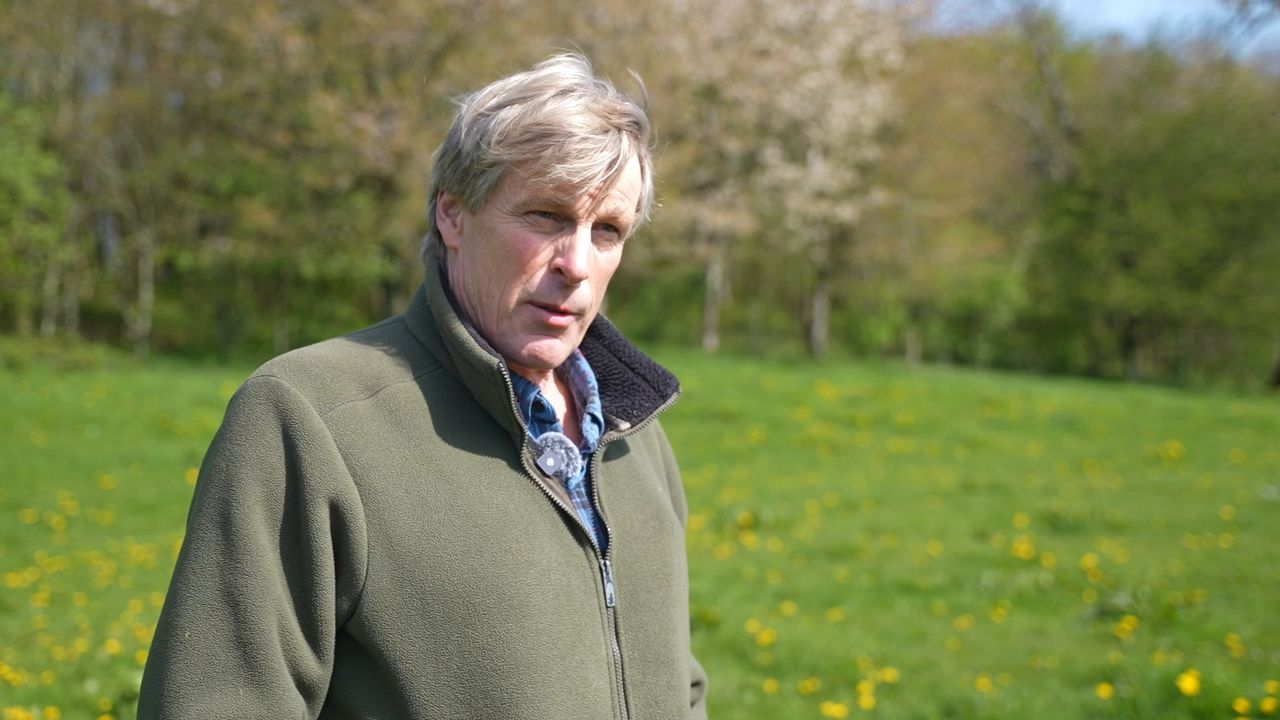
Teagasc researcher Dr. Alberto Ramos Luz said around 50 participants came to the recent research update event at Teagasc Oak Park, Co. Carlow.
He said this was a "record attendance across all the events we’ve organised so far", including growers, advisors, researchers, students and stakeholders interested in apple production.
The event showcased the latest research and practical developments in Irish apple production.
It featured short, industry-focused presentations followed by an orchard walk to explore ongoing trials and discuss results directly in the field.
According to Alberto Ramos Luz, these are still preliminary results, but they are already pointing towards important directions for the future of apple production in Ireland.
Climatic conditions
Ahmad Hassan Chaudhry, Teagasc Walsh Scholar, demonstrated how contrasting climatic conditions between 2024 (cooler and wetter) and 2025 (warmer and drier) influenced the phenological development of the different cultivars under study.
Despite these variations, most cultivars showed satisfactory performance, with excellent fruit quality on both seasons, as detailed by Jean do Prado, Teagasc Walsh Scholar.
Alberto Ramos Luz also emphasised that different training systems are being evaluated, and that the experimental orchard is playing a key role in identifying the details needed to achieve balanced orchards with high productivity, consistent performance and excellent fruit quality.
He expressed confidence that, in the coming years, more refined and efficient recommendations will be developed based on these results.

The indoor session covered key topics including varietal performance, fruit quality, rootstocks, disease management, consumer preferences particularly among 'gen Z', and the role of flowering physiology in orchard management.
A dedicated session on integrated pest management highlighted current adoption levels in Irish orchards, along with practical challenges and opportunities.
In the sunny weather, participants also had the opportunity to visit the orchard and see the trees entering their fourth leaf, with flowering just beginning across different varieties, training systems and rootstocks.
Growers were able to directly observe the performance of these combinations and engage with researchers to get practical answers and insights around orchard management.