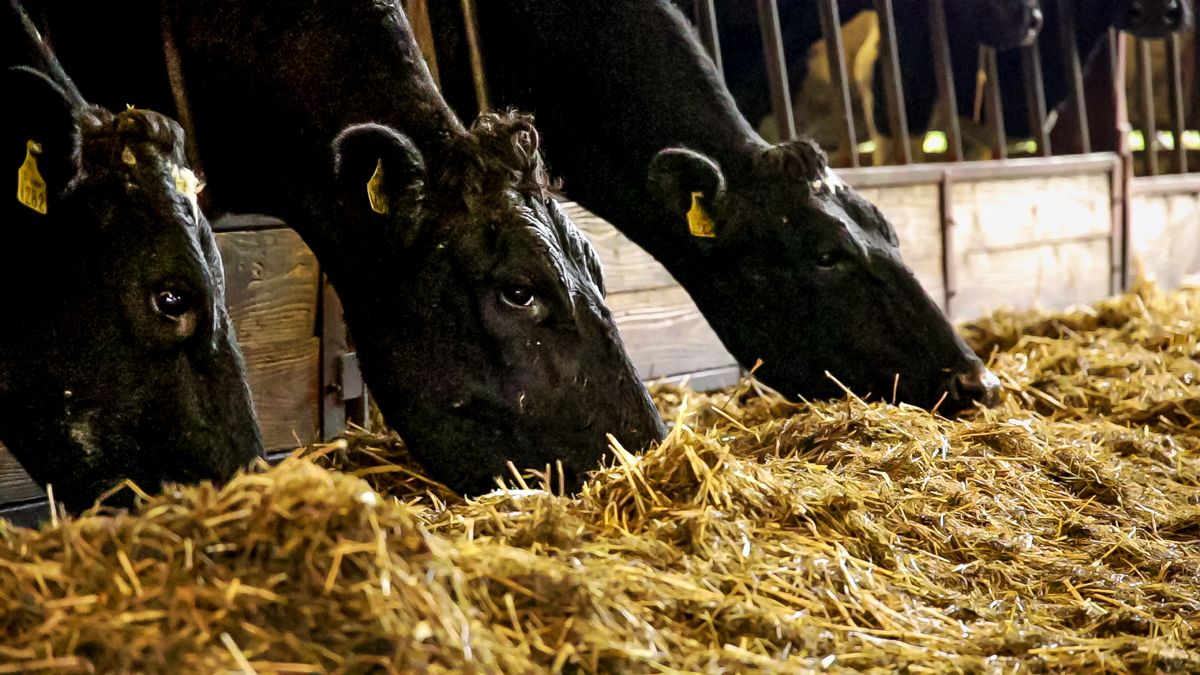
Steps and tips for calf disbudding this spring
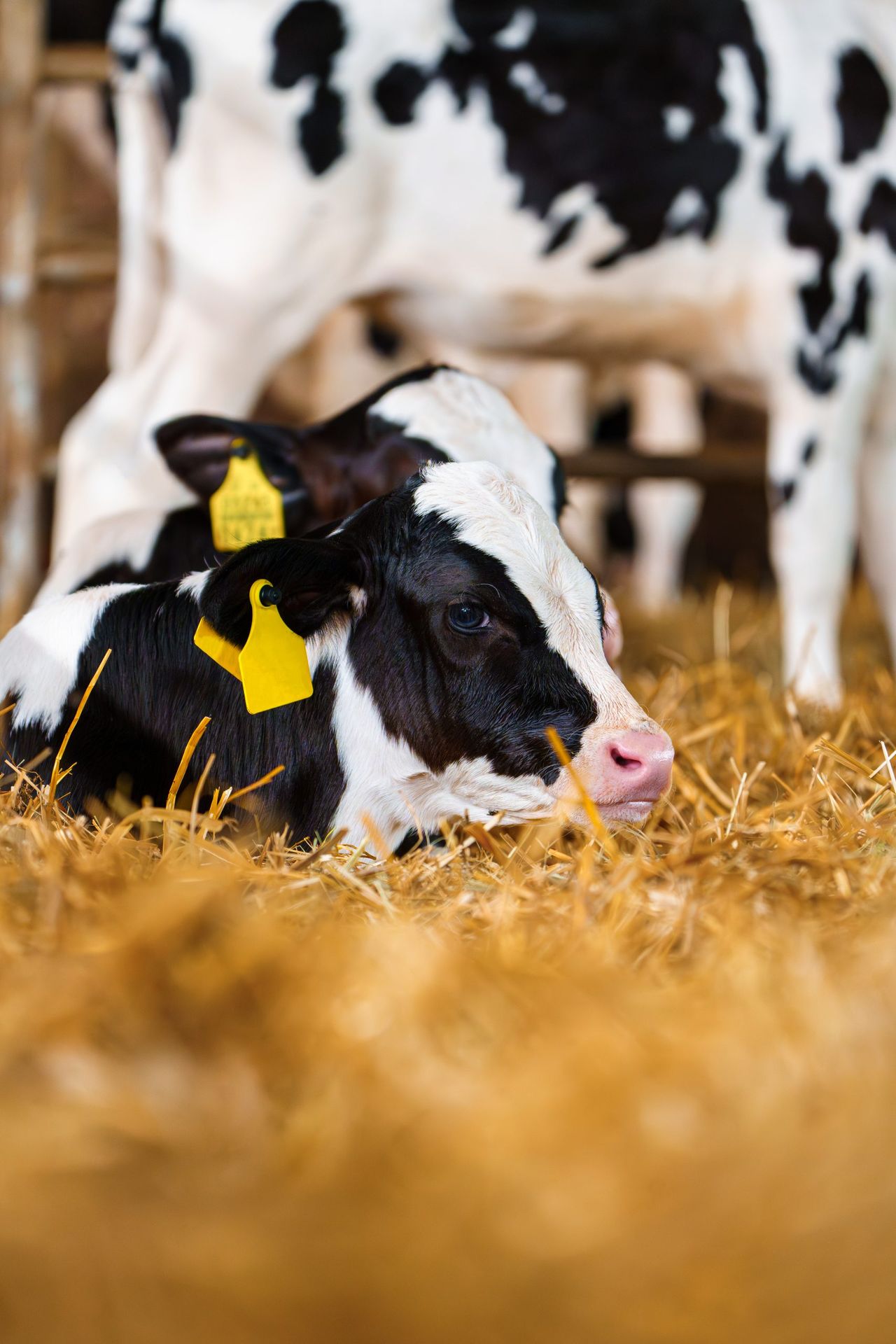
Teagasc has released tips for farmers on how to disbud calves safely and legally this spring.
Calf disbudding involves removing/destroying the horn bud in young calves before horns are fully developed and attached to the skull.
Horns are a natural feature of cattle, unless from a genetically polled breed. However when present on farms, it presents a significant risk.
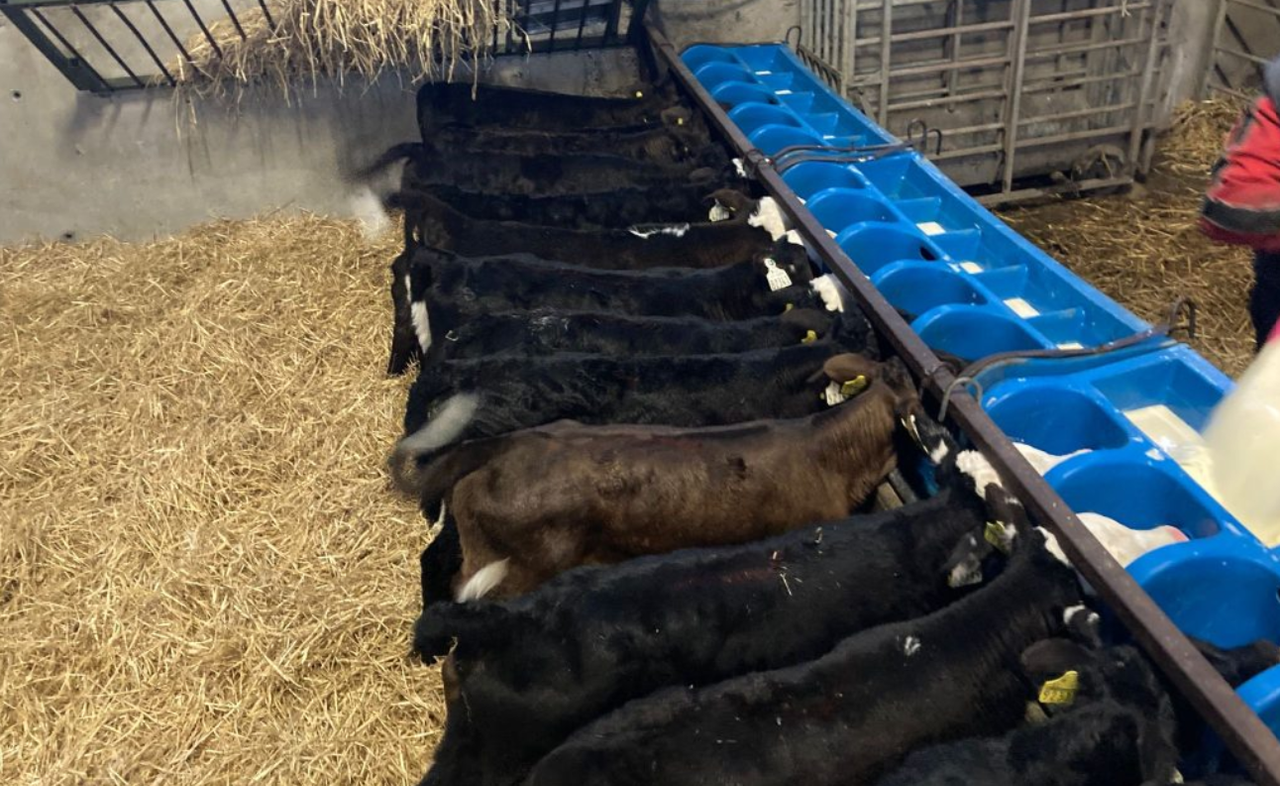
According to Teagasc, horned animals are more likely to injure each other through butting, particularly around feed barriers and in confined housing.
Such injuries can lead to bruising, stress, and reduced performance.
Horned animals also pose a significant safety risk to farmers. Handling horned cattle in yards, crushes, or milking parlours increases the chance of serious injury.
For these reasons, farmers choose to disbud calves at an early age rather than manage horned animals later in life.
Benefits
The advantages and benefits of early disbudding are:
- Improved safety for both stock and handlers;
- Easier handling and management, particularly in group housing;
- Better use of space, as dehorned cattle require less room at feed barriers and in sheds;
- Reduced carcass damage, which is important in beef systems to maximise carcass output;
- Lower stress levels within the herd due to fewer aggressive interactions.
The timing of disbudding is crucial. Calves should ideally be disbudded within the first two to three weeks of life.
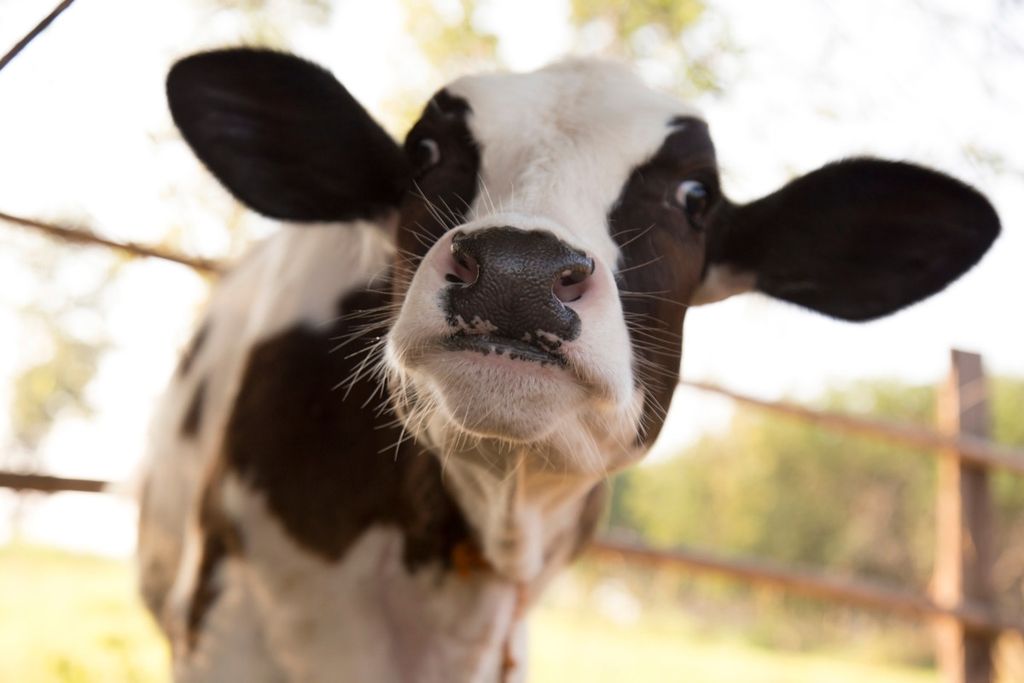
At this stage, the horn bud is small and not yet attached to the skull, making the procedure simpler and less invasive.
If delayed, the horn becomes more developed and attached to the skull, meaning the task is now considered dehorning.
This makes removal more difficult and painful. Dehorning could also lead to increased bleeding and a longer recovery period.
For this reason, farmers should act early and not delay their action plan.
Disbudding tools
The only method of disbudding of calves that is legally permissible in Ireland is disbudding by thermal cauterisation (heat disbudding) with an electric or gas disbudding iron up to 28 days-of-age.
This is according to SI No. 127/2014 Animal Health and Welfare (Operations and Procedures) (No. 2) Regulations 2014.
The use of caustic paste is strictly illegal and must not be used as the chemical can spread into the eyes and may cause burns to other areas of the animal that cannot be easily controlled by anaesthesia or pain relief.
The use of non-steroidal anti-inflammatory drugs (NSAID) pain relief is best practice for calves of this age.
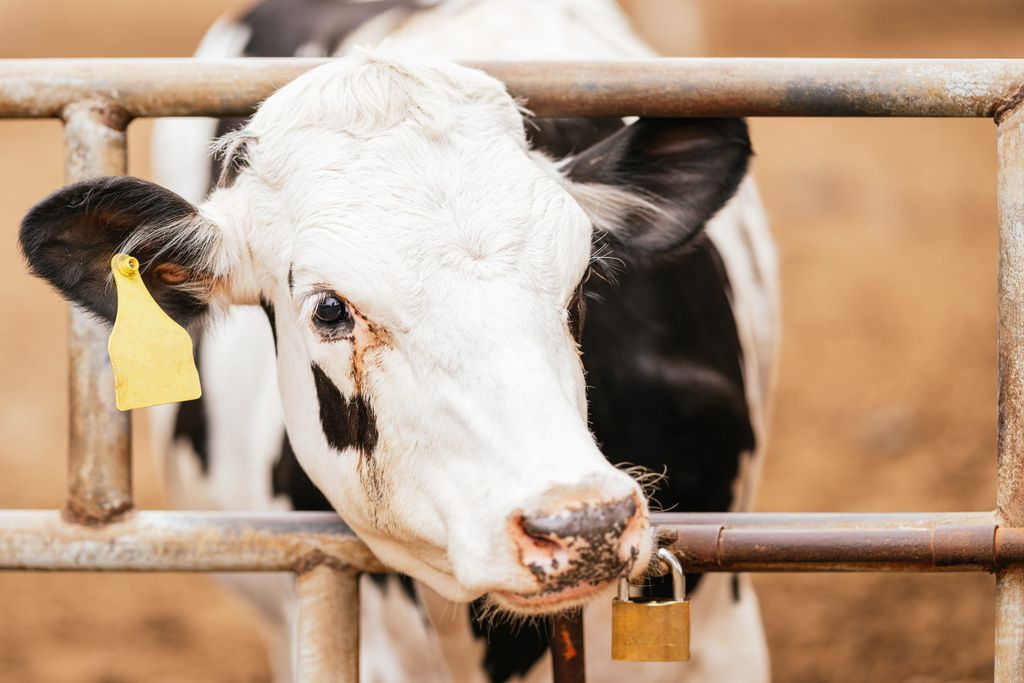
These drugs help reduce pain after the procedure and support quicker recovery.
Local anaesthetic and suitable pain relief medication can be got with a prescription from veterinary surgeons before farmers disbud their calves.
Disbudding steps
The calf should be restrained using a calf-dehorning crate, before clipping the hair around the horns and applying the anaesthetic.
Around 2-5ml of local anaesthetic should be administered halfway between the base of the ear and corner of the eye.
To administer the anaesthetic, farmers should run their finger along and feel for a bony ridge in the areas, finding the nerve that runs under this ridge.
Apply the hot iron to the bud until the hair starts burning.
When the burning begins, rotate the iron in a half circle while applying pressure, distributing the heat evenly.
Do this until a copper-coloured ring of cauterized tissue encircles the bud; however the iron should not be applied for more than 10-20 seconds.
This destroys the cells responsible for horn growth.
Administer the NSAID pain relief medication before releasing the calf from the dehorning crate.
Inspect the calf after 30 minutes and cauterise any arteries that are still bleeding.
Aftercare
Calves should be inspected regularly for up to 10 day after disbudding to detect any signs of swelling, infection, discharge, or fly strike.
To reduce the risk of infection, keep claves in clean, dry pens.
In most cases, healing is straightforward and horn buds should fall off within four to six weeks.
Consult your vet if wounds do get infected, as cases may need antibiotic treatment.