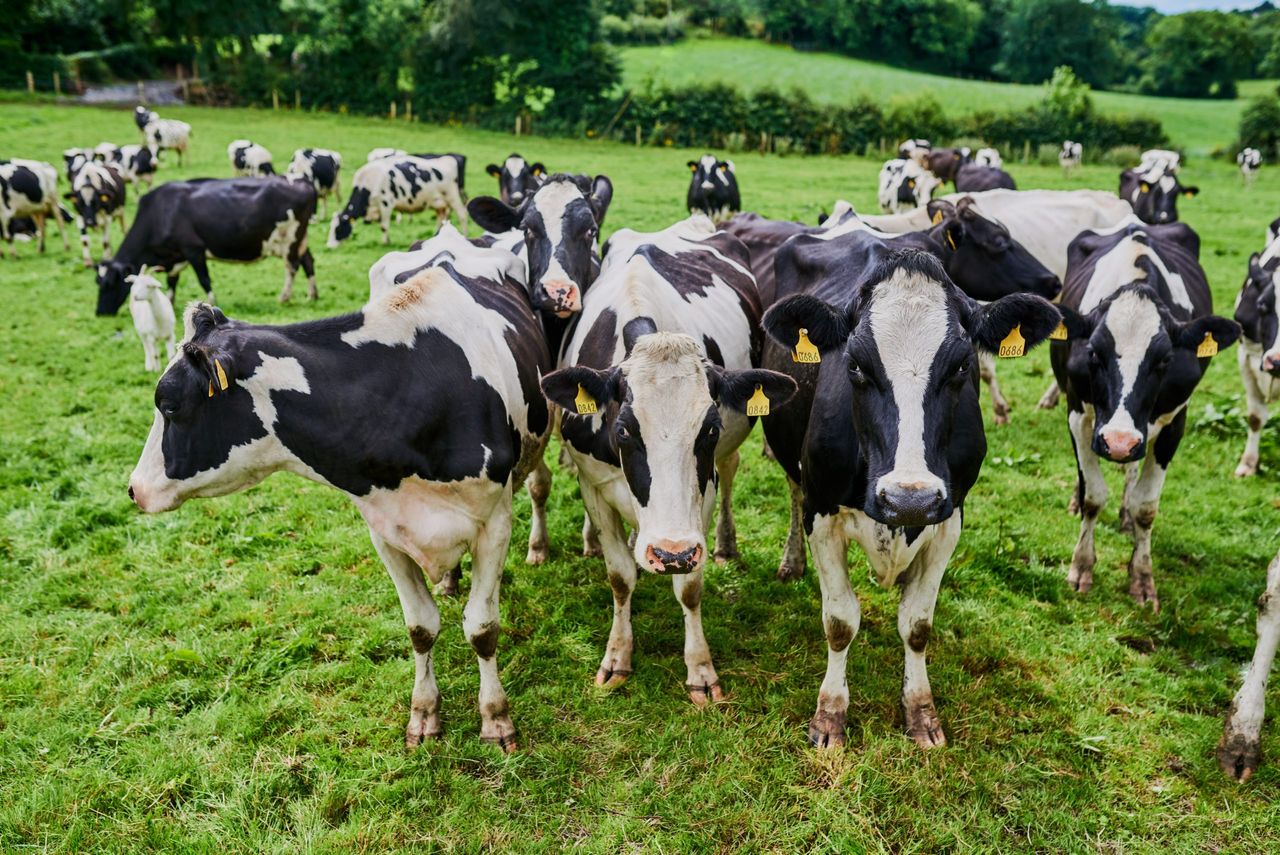
Watch: 'Real danger' of fertiliser being substituted for concentrates


Since the Middle East conflict unfolded in February, fertiliser prices have rocketed, creating a danger of farmers substituting it for concentrates.
Similarly, 2022 witnessed extremely high fertiliser prices following the Russian invasion of Ukraine, which led to farms reducing fertiliser usage.
However, many farms were not set up for this and lost out on herbage production, which ultimately meant they ended up spending more money than they would normally on fertiliser through concentrate supplementation.
Four years later, head of dairy knowledge transfer at Teagasc, Dr. Joe Patton fears farms are in "real danger" of the same situation occurring.
Patton said: "I think there is a real danger this year that people will look at the high fertiliser cost and say - I'm easing back on my nitrogen fertiliser, way below my limits, and then ending up feeding concentrates instead."
He highlighted how the response to fertiliser can be as much as 20kg/dry matter (DM) growth per kg of nitrogen (N) spread, especially as the days get longer and the weather brightens up.
The Teagasc representative noted that when you look at the economics of that, 1kg of N will more than feed a cow each day.
Patton went on to say that even though fertiliser price in the short-term looks expensive, "when you add it up in terms of the response you get from your kilo of N", it proves to be more economical.
"It makes far more sense to spread the fertiliser and grow the grass than to spend that additional money on concentrates."
He also said getting fertiliser on to silage swards could be an issue this year, stating that it would be a 'false economy' to save on fertiliser in the short-term, and having to buy silage this time next year instead.
Considering 2025 was such a good year for silage harvesting, people had reserves in the yard which benefitted them during poor spring conditions this year, but those reserves have been as good as emptied this spring.
Therefore, the head of dairy knowledge transfer said farmers must ensure they spread their full allowance this year, maximising the quantity and quality of silage to ensure they have enough fodder for the winter ahead.
Concentrates
Patton noted how there is an average response rate of 0.8kg/milk for every 1kg of concentrates fed, but highlighted that as the rate of concentrates increases, the response begins to fall.
He said the first 3kg fed will get an average response rate of 0.9-1kg, but as you start feeding 5-7kg, the response rate per individual kg can fall as low as 0.5kg/milk.
Given the low milk prices this year, feeding those extra couple of kilos worth of concentrates will negatively affect the economics of the feeding strategy.
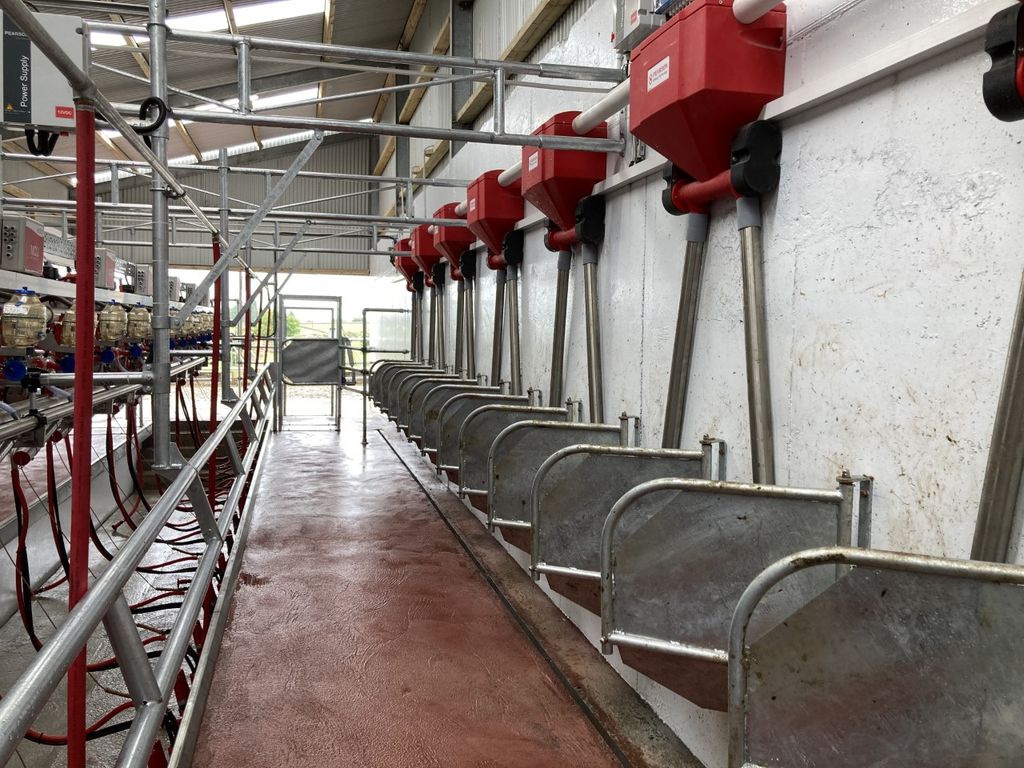
As well as that, by feeding 5-7kg of ration, grass intake begins to fall back.
Patton referred to previous studies which suggest that for every kilo of concentrate fed, the cow will graze for approximately 15 minutes less per day, meaning an extra 4kg reduces grazing time by an hour.
The milk production gained by feeding those extra concentrates is quickly devalued, as grass utilisation falls behind.
Patton said: "In a year like this where milk price is tight and we really need to be looking at every penny, leaving grass behind is really an uneconomical thing to be doing.
"It's not a good economic situation to be in in any year, but certainty when milk price is where it is at the moment it becomes a really critical issue."
The head of dairy knowledge transfer went on to say that feeding concentrates to cows for a high peak milk production does not guarantee a good lactation performance for the rest of the year.
According to Patton, when pushing for high milk production through June, July, and August, pasture needs to be managed rather than pushing concentrates in the spring.
He recommended feeding a standard 14% crude protein (CP) nut with a high energy content at this time of the year, especially now as grass quality improves in terms of digestibility and protein content.
He said that type of nut can continue on into later lactation, and farms can even consider dropping back to a 12% CP nut.
However, he reminded farmers that the energy content is more important than the CP content, as there will be adequate protein in quality grass swards.