Most Irish dairy cows moved to sheds in March – survey

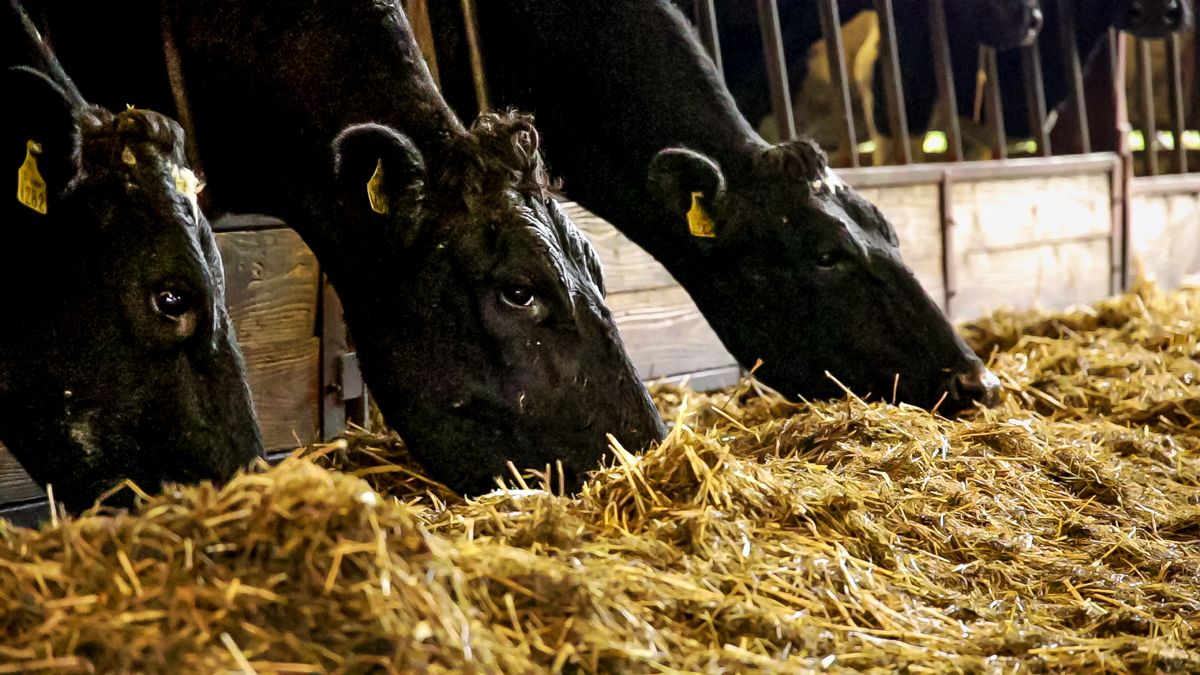
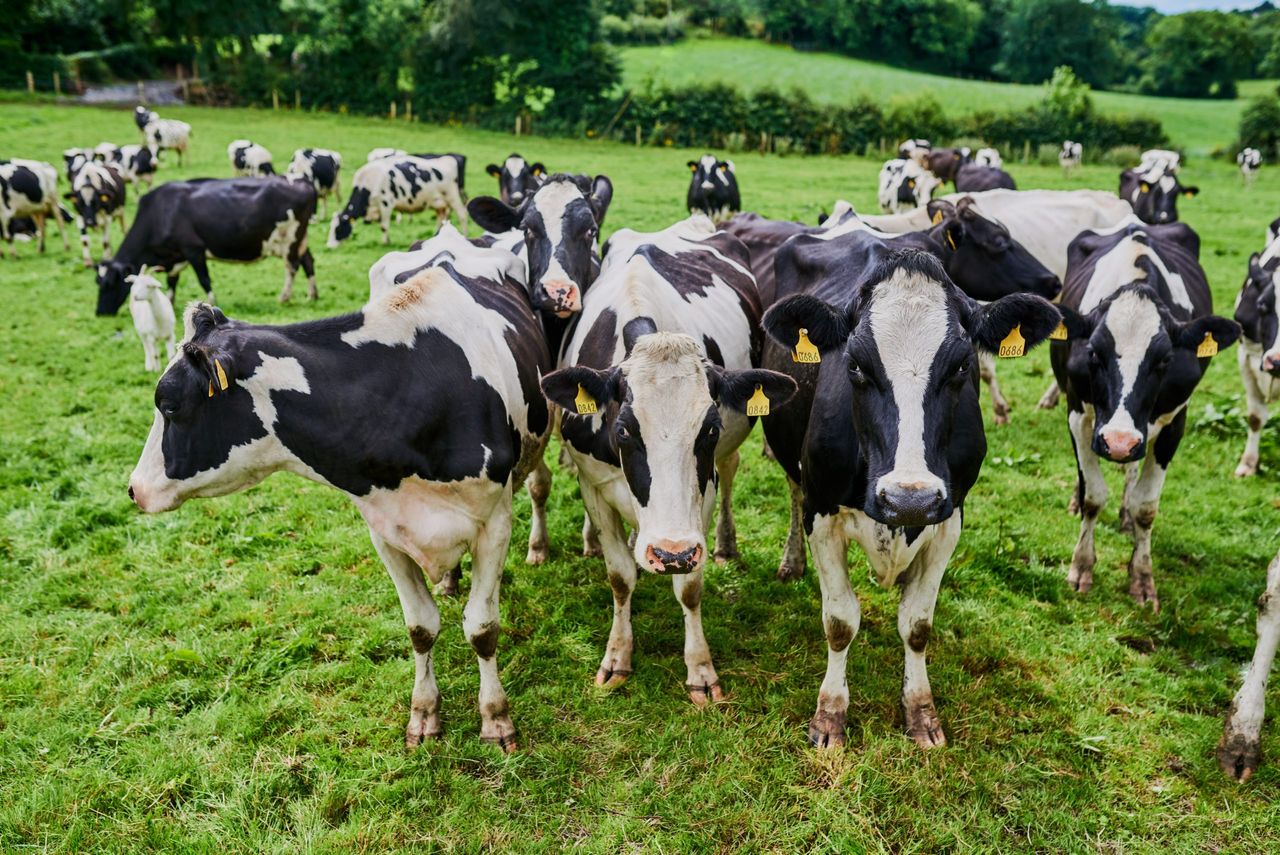
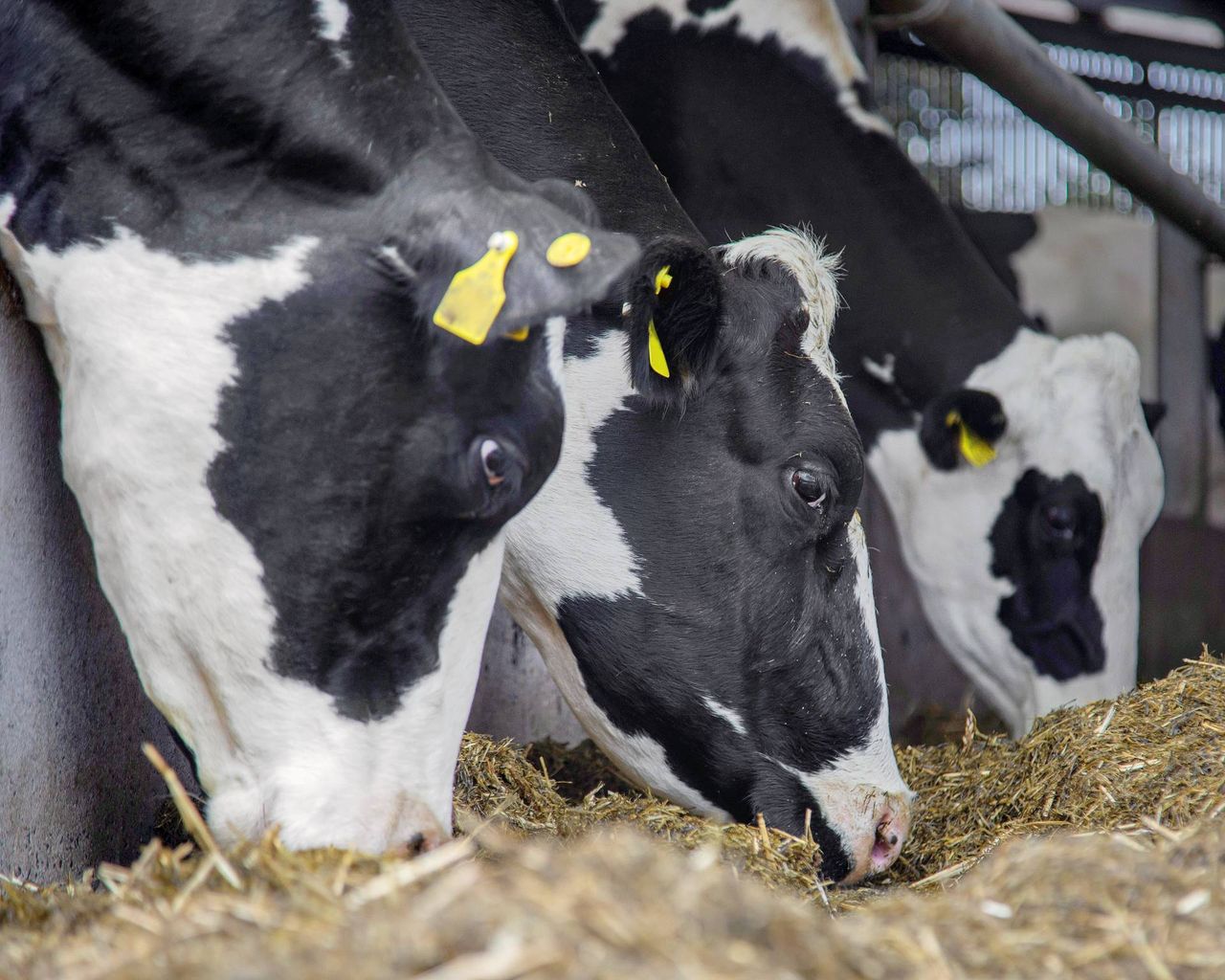
The majority of Irish dairy farmers have returned their cattle to sheds in some form due to the wet weather experienced recently, a new survey has found.
This is based on the latest Calving Insights Survey conducted by FRS Co-Op for the month of March.
The survey found that, despite some spells of dry weather throughout March, Irish farms needed to take their cattle off the grazing platform before the end of the month.
This was mainly seen on dairy farms where milking cattle were “cutting up the grass”, according to the March Calving Insights survey.
To combat this, some farmers have resorted to on-off grazing and are returning cattle to sheds at night or in some cases completely.
FRS managers and team leads working on the ground with farmers also noted that many slurry storage issues were relieved during the dry period. However, some farmers living in wetter areas of the country are still facing slurry capacity issues.
Cost
Survey respondents have said that there has been a higher cost of production than what was expected this year due to extra buffer feeding (silage and maize), extra meal being fed in the milking parlour, and more lime required for bedding in sheds.
This has been compounded by higher-than-normal labour costs as many farmers sought additional farmyard support during the prolonged period of bad weather.
With cattle spending more time indoors this spring, 23% of farms have seen animal health issues arise.
Pneumonia and milk scour have been cited as the two main issues on farms this spring, but there has also been a rise in reported cases of milk fever and mastitis.
Additionally, more farmers have begun to vaccinate for Bluetongue (BTV-3) due to growing concerns across the industry about the viral disease.
Calving
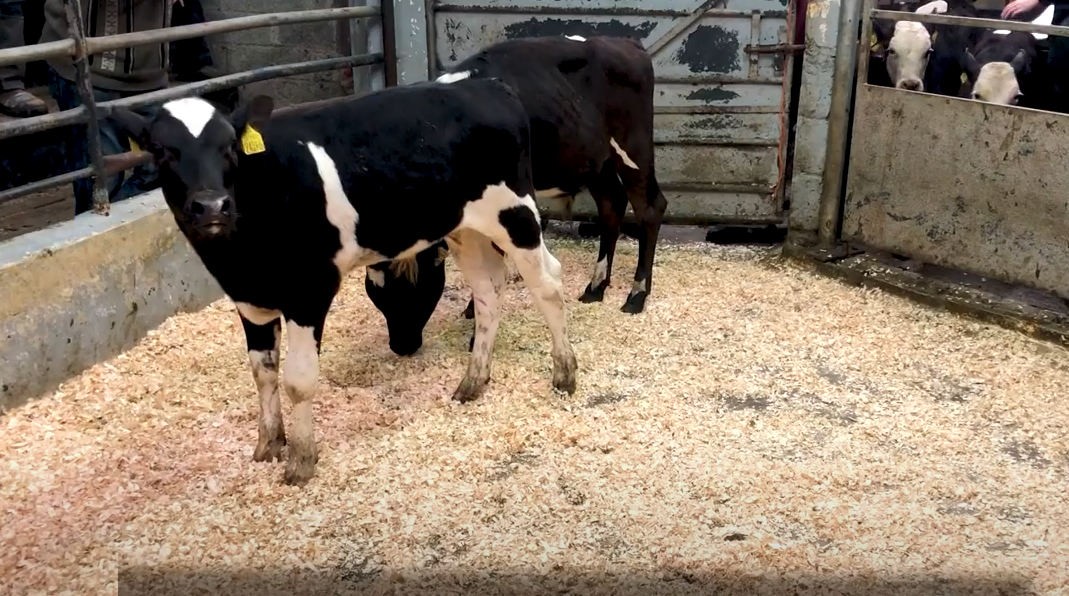
The March Spring Calving survey from FRS Co-Op has also shown that, on average, 85% of cows had now calved on farms as of the end of March.
In addition, approximately 98% of farms across the country had started calving by the end of the month.
Despite the added workload on farms, the majority of respondents (70%) said that this year’s calving season has been similar to last year. However, a minority of farms (25%) have reported a prolonged calving season compared to previous years.
In addition, almost half (46%) of respondents described the 2026 calving season as “more challenging” or “harder” compared to last year due to the adverse weather conditions experienced over the last three months.
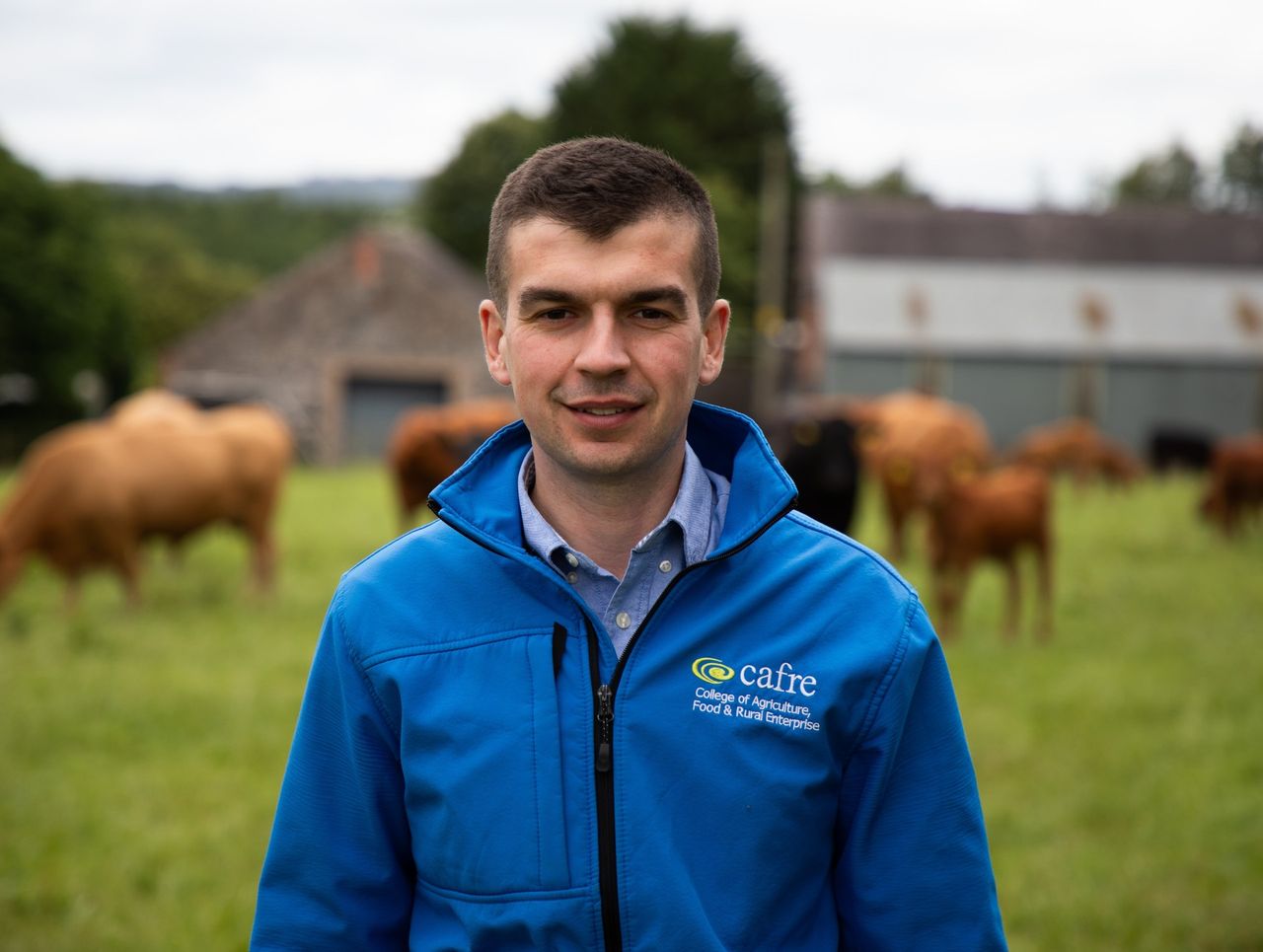
Ronan Skelly, assistant FRS farm services manager for north midlands, said: “For the majority of farms across the country, the peak of the calving period has passed, and the workload around calving is beginning to wind down.
“Although Irish farmers are resilient and experienced, I want to implore farmers to be vigilant of safety.
“Calving is a dangerous job, and it is important that farmers aren’t working when they are worn out.”