How has the wet spring affected feed costs?

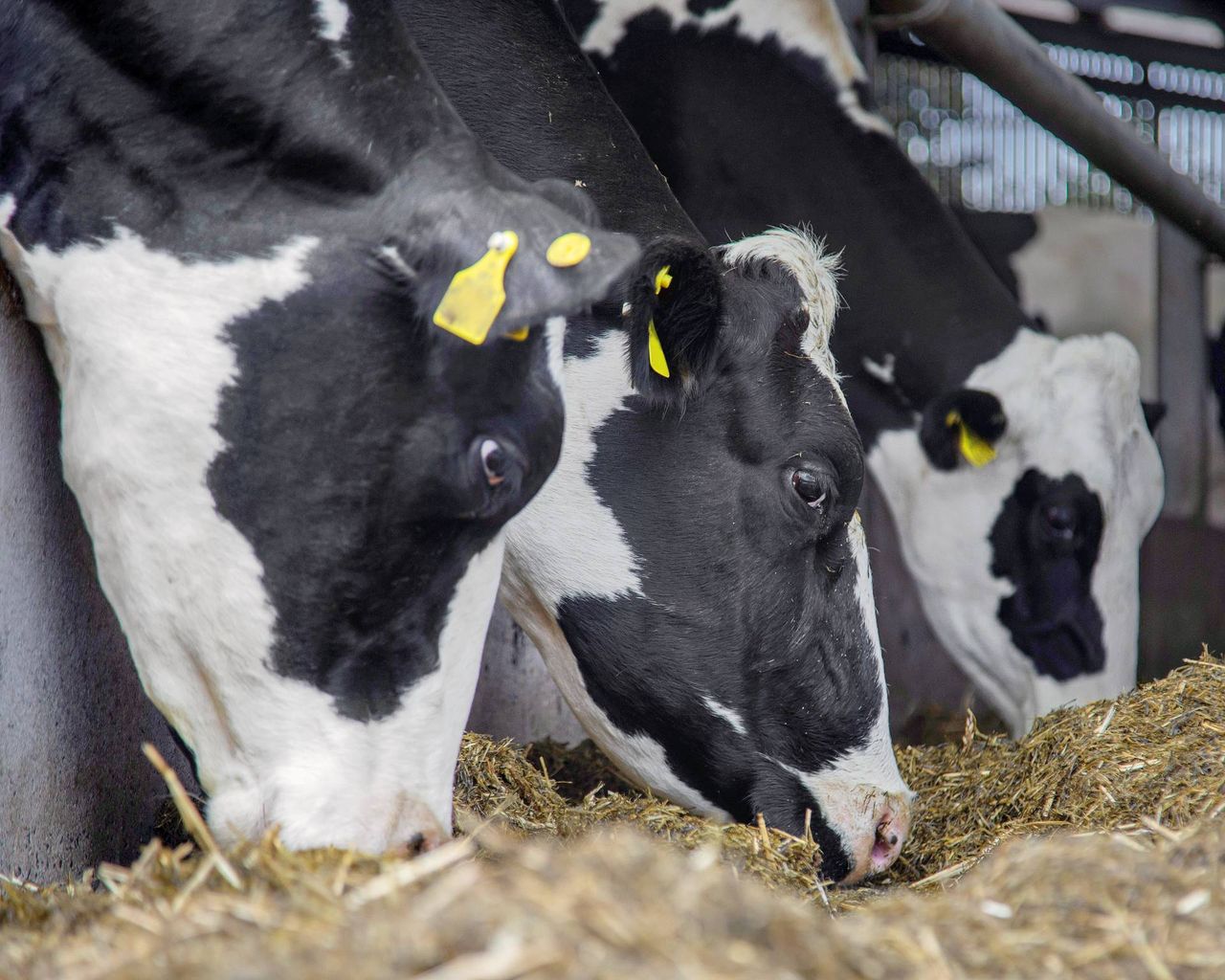
We are now in April and yet a good number of herds have very little of the platform grazed, while others still have not seen any grass in 2026 due to the weather.
To make matters worse, Met Éireann is still predicting two to three times more than the average rainfall for the week ahead.
Farms in these wet and heavy soil areas typically calve that bit later than February 1, so hopefully they will not be hitting peak milk production just yet.
However, as it quickly creeps up on us, so does the animals intake, meaning milk cheques could be back while feed cost are up, which ultimately means the margins will be even tighter than predicted.
Feed costs
Farms that still have the herd housed will be feeling the pressure in terms of feed availability, as well as feed costs.
When a cow calves down, her dry matter (DMI) intake will only be in the region of 13kg, so feeding silage and bridging any nutritional gaps with concentrates is harmless.
However, her DMI will increase by approximately 0.8kg each week for roughly 10 weeks post calving.
Without high energy grass in the diet, the additional feeds will quickly burn a hole in your pocket as you try to prevent energy deficits and drive production.
As it stands, figures from Teagasc indicate that 1kg of grass DM costs roughly 10c, compared to 22c/kg of pit silage and 25c/kg of bale silage (prices for last year silage).
If we look at a normal year, the feed cost of cows eating 18kg of DM would be €1.50 for 15kg of grass and €1.20 for 3kg of concentrates at €400/t.
That puts feed costs at €2.70/cow/day or €270/day for the average 100-cow.
However, for herds that are still housed, they may be feeding 13kg of pit silage at €2.86, as well as 5kg of concentrates at €2.
This immediately elevates the feed cost up to €4.86, or €486/day for the average 100-cow herd.
That's a difference of €216 a day, which works out at €1,512 per week.
Now it is important to sit down and do your own sums, as obviously diets and intakes vary, and you would need the whole herd finished up calving eight weeks ago to be feeding that much.
But when you do sit down and do the maths, if that 100-cow herd has been calving at a rate of 12 cows per week since February and intakes are steadily rising, you are looking at an additional €2,000 in feed costs.
If it is going to be costing such absurd money to keep cows in, you must start weighing up your opportunities to see if it is worth even sacrificing a paddock or two just to get grass in to the diet and push on from there.
Meet with your local discussion group or speak to your adviser to see how other farms in wet areas are faring this spring, and what options are available for moving forward.