Opinion: Easter has always been a true celebration of Irish sheep production
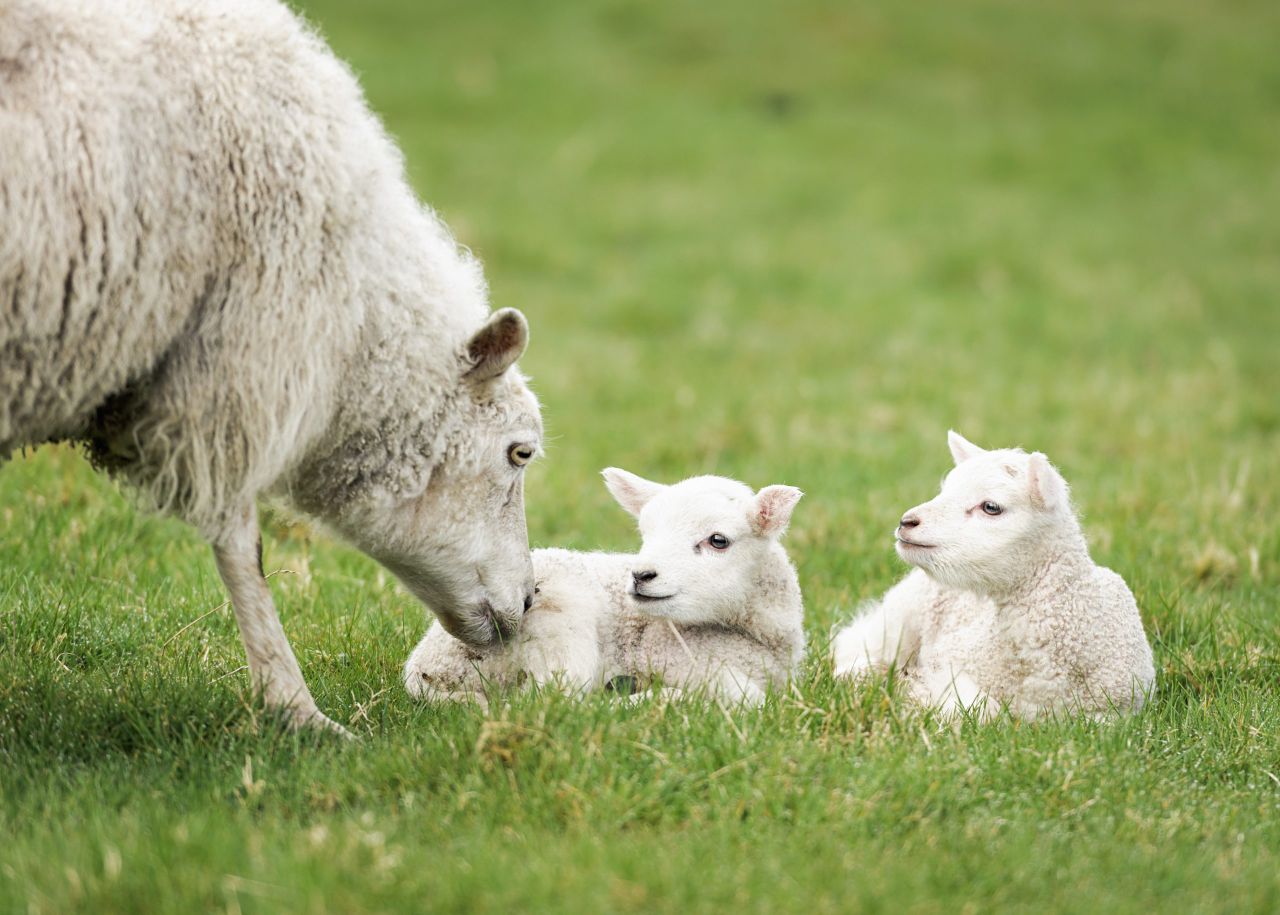
Easter has always been synonymous with all that is good about Irish sheep production. And long may this continue to be the case.
Spring-born lambs gambolling in fields always epitomise the ending of winter and the promise of better weather to come.
It’s just a pity that the spring of 2026 has not lived up to this billing as yet.
But hope always springs eternal and there is lots of time yet for the sun to come out to play.
Sheep production is truly unique in being the one sector of Irish agriculture that is truly dependent on grass - whether grazed or conserved.
Little or no meals are fed within the sector. So, what we end up with is an industry that is as close to securing organic status without getting the actual certificates to make it all official.
Hill sheep
And it is to the hills that we must address our attention to truly understand why Irish sheep production must never be lost to Irish agriculture.
No other enterprise has the capacity to convert such rough terrain into a high quality protein.
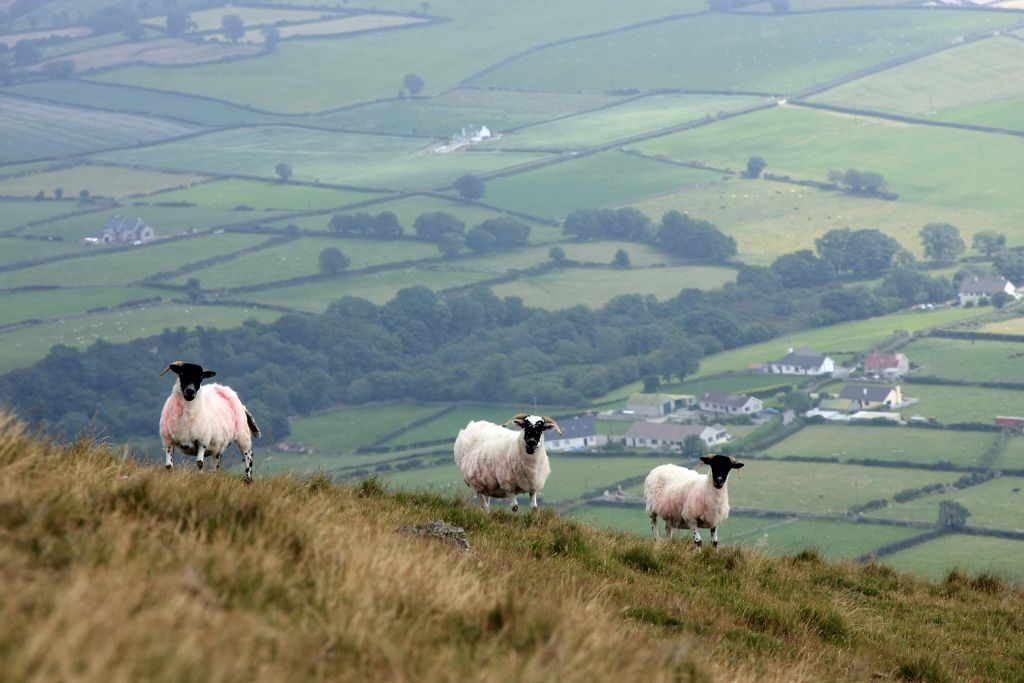
And while ewes and lambs are actively making this happen, they also contribute so much to the environment and conservation value of our uplands and less favoured areas.
This truly is a win/win scenario.
It has been achieved by the grazing habits of sheep, facilitated by the fact that they have teeth in both their upper and lower jaws.
Wool
Moreover sheep also produce wool. Many centuries ago, vast fortunes were made on the back of the European wool trade.
Today, however, the polar opposite is the case. In fact it is a shocking state of affairs that wool is considered to be a form of ‘waste product’ by European regulators.
Despite this, wool prices are in the ascendancy with consumer interest in natural fabrics on the rise once again.
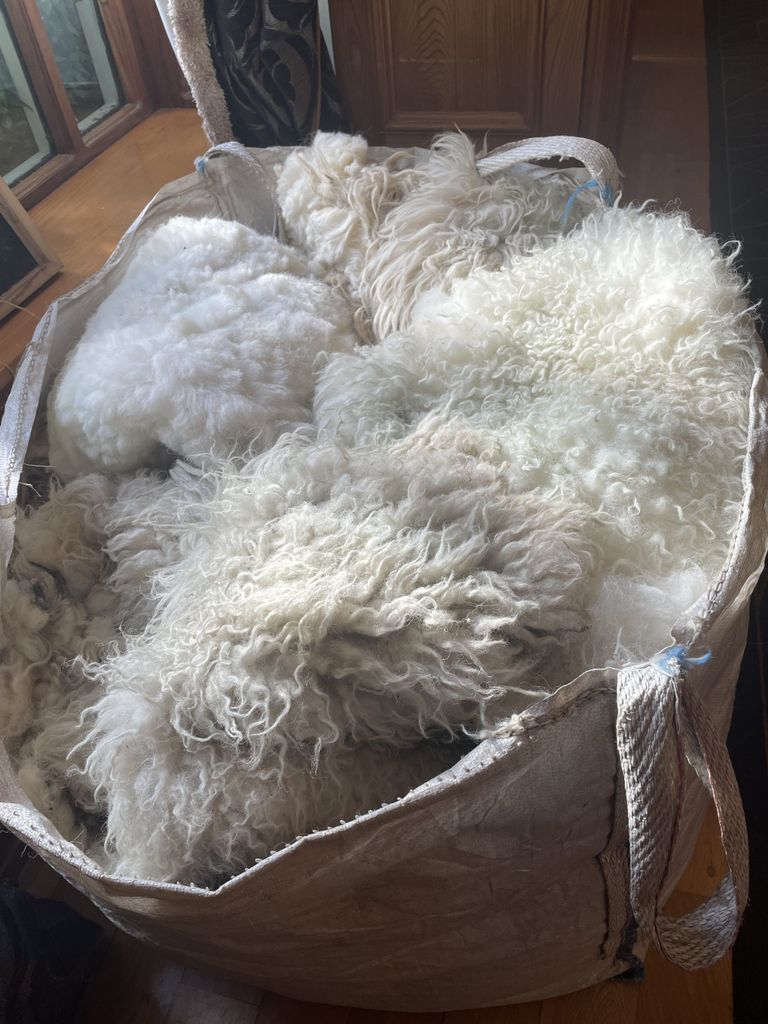
So, woollen clothes are back in fashion again, as are woollen carpets.
All that’s missing is an effective marketing campaign to maximise the profile of Irish wool.
There is no reason why this cannot be pulled together on an all-island basis.
Boosting rural economy
And, finally, it should never be overlooked that sheep add so much to the social cohesion of so many rural areas.
They continue to deliver a much needed economic boost to those areas of the country where other farming opportunities are severely limited.
And this is a reality that government must never forget.
Unfortunately, breeding ewe numbers have declined over recent years.
This haemorrhaging of what is such a unique resource must be stabilised in the short term and reversed as part of Irish agriculture’s “big picture plan” for the industry as a whole.