Spring grazing: Dealing with surplus grass

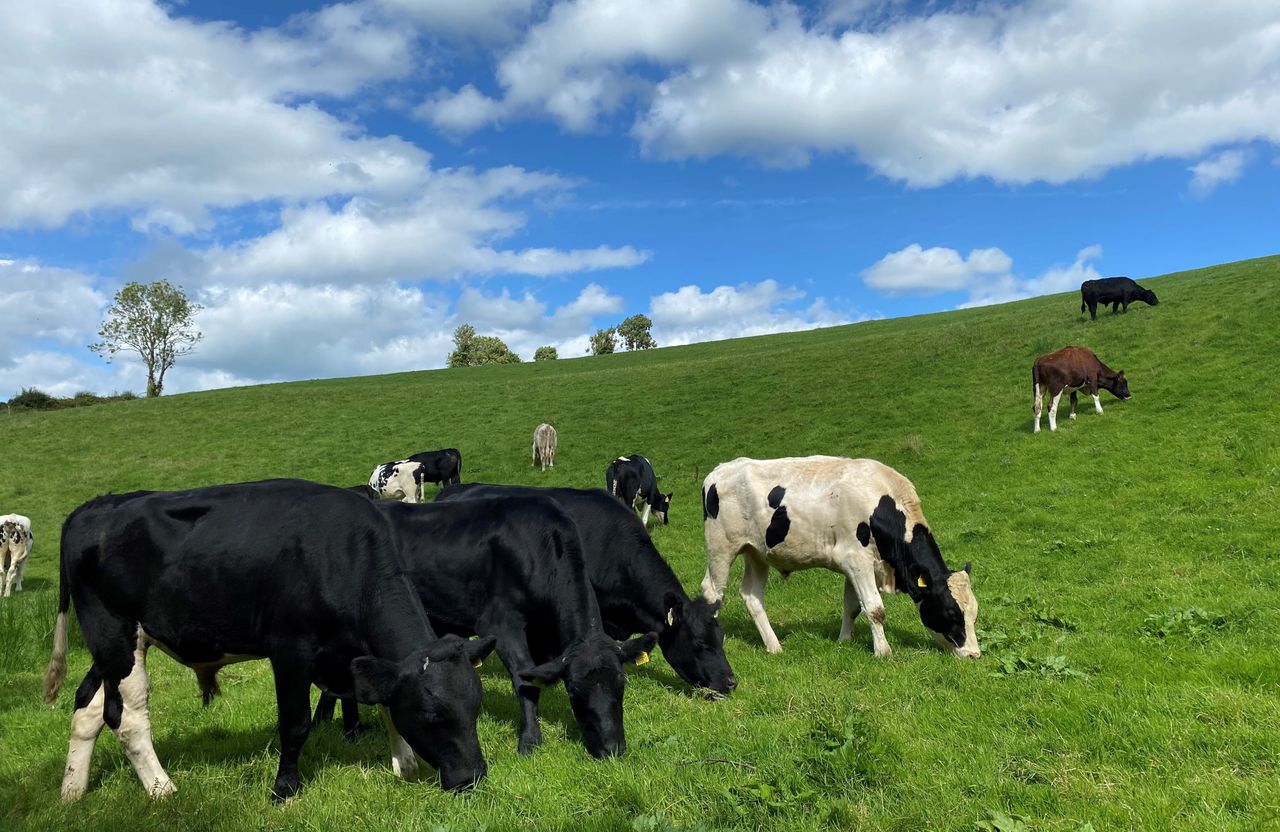
Following a slow and wet start to the grass growing season, growth has now taken off like a rocket after the recent spell of good weather.
The warm and sunny conditions have brought soil temperatures up as far as 13.2℃ in some places during the week, but there was lows of 9.8℃ in other areas.
Either way, this has led to the whole grass situation quickly changing on farms, and with many only getting going with grazing properly this week, there are plenty of surpluses around.
Farms that are recording on Pasturebase Ireland currently have an average farm cover (AFC) of 754kg of dry matter (DM)/ha, while the cows' diet consists of 14.5kg of DM grass and 3.5kg of meal.
However, there are still plenty of farms in slight deficits after overgrazing, but these should quickly build AFC back up to 650-700kg DM/ha now that growth is surpassing demand.
Grass growth
Grass growth rates have ramped up to 54kg/DM/day on dairy farms and is predicted to range between 50-68kg DM/day this week and into next week.
It is important for farmers to try and target a cover of between 170kg-220kg DM/LU over the next couple of weeks.
To achieve this, the farm needs to be walked twice a week to assess the grass supply every few days and to rectify a surplus in a timely fashion.
The ideal pre-grazing cover is when the grass is at the three leaf stage, which is around 1,300 - 1,400kg DM/ha.
Going in on covers heavier than this will affect the protein content of the milk, cow performance, and the post-grazing residuals and the paddocks' ability to quickly respond with a decent re-growth.
If the AFC is on target and you are entering paddocks at ideal covers, allocations should be brought to 18.5-19kg of grass DM, and reducing the rate of concentrates being fed should be considered.
For farms that do have a surplus of grass and are struggling to keep on top of it, concentrates will most certainly have to be reduced.
Aim to have cows on grazing allocations of 24 hours - or ideally 36 hours - to allow for maximum dry matter intake (DMI), especially for younger, less dominant cows in the herd.
Surpluses
Understandably, plenty of farms do have surplus grass coming out of the wet spring, which made grazing quite a challenge.
In fact, nearly half of the farms recording grassland in Pasturebase have an AFC above 750kg DM/ha, with a mean of 885kg DM/ha.
These types of covers are too high for this stage of the grazing season, as cows will be entering paddocks with pre-grazing covers of 1,700-1,800kg DM/ha.
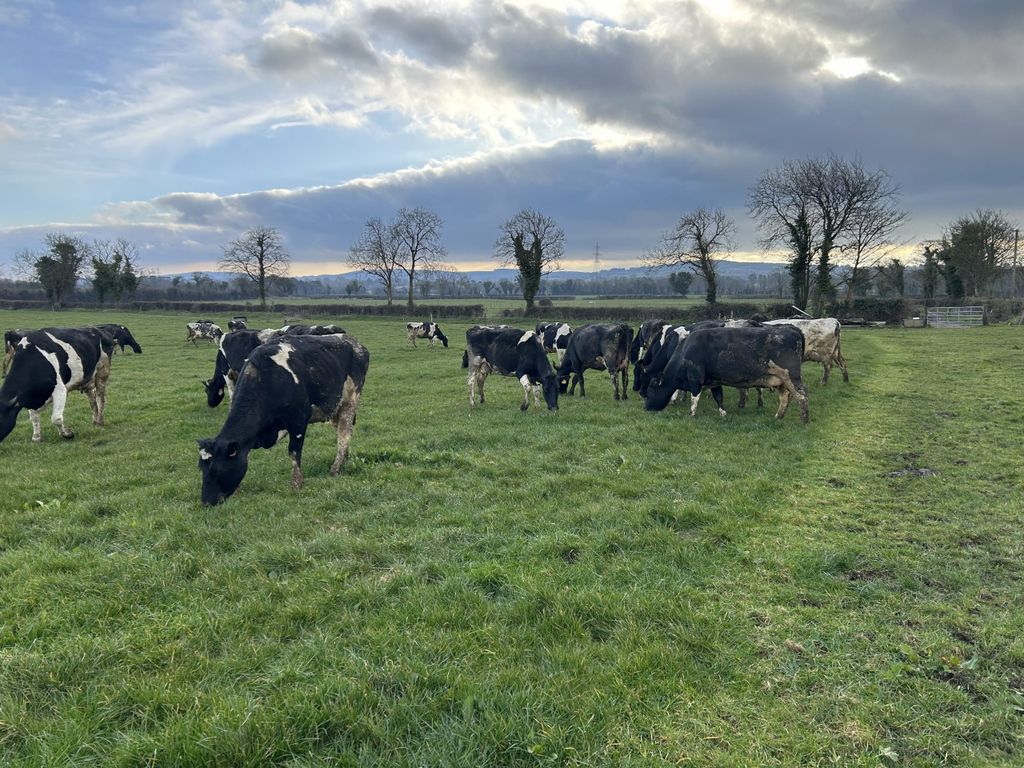
These paddocks will be less palatable and have deteriorated quality, which will impact milk production and leave the whole rotation in a mess.
Farmers who are in these situations should ideally be taking heavy paddocks out of the rotation and setting them aside for a cut of silage.
If you do take paddocks out for silage, remember that what comes off must go back on – in particular potassium (K) and phosphorus (P).
It is also important to be strategic with which paddocks are taken out to ensure you do not end up in deficit in the next round.
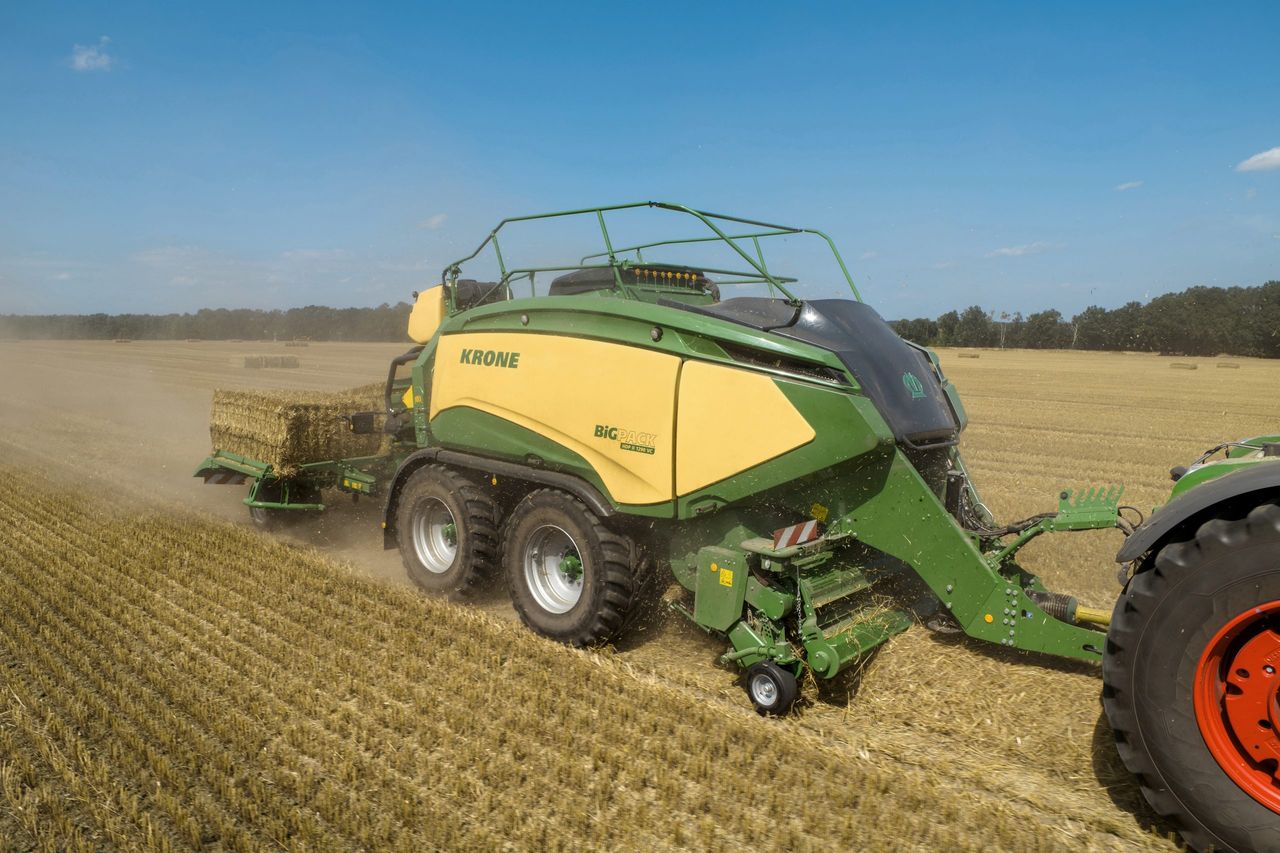
Wet farms that are in this stage of surplus may still be on the first rotation, but if there is paddocks already at 1,400kg DM/ha in the second rotation, these should be grazed, leaving the heavy final fields of the first rotation aside for surplus bales.