Beef kill: Where to now for factory cattle supplies and beef price?

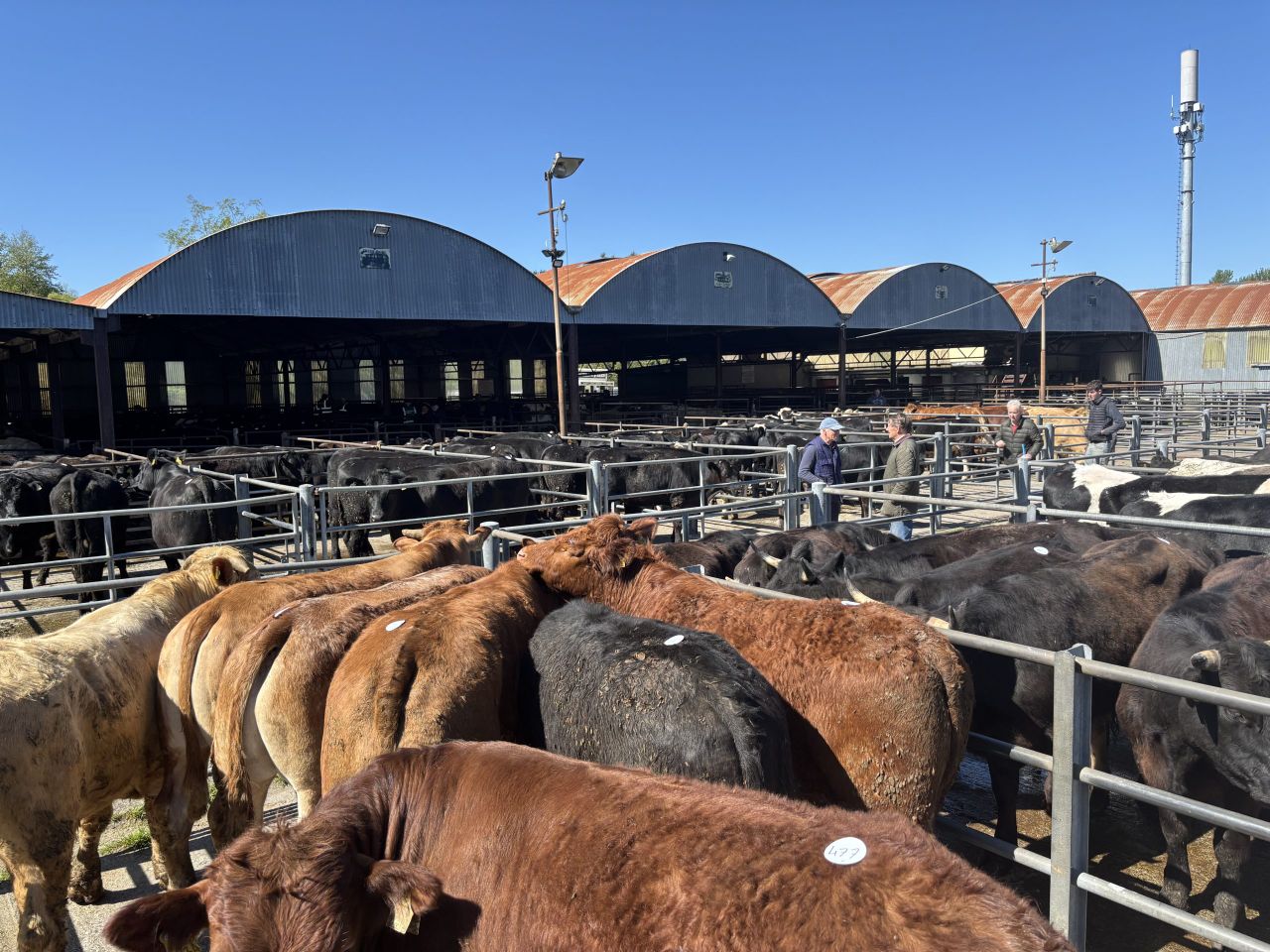
The 2026 beef trade is not exactly shaping up how many farmers who bought store cattle last autumn and winter envisaged it to.
Last September, store bullocks weighing from 400-500kg were averaging out at over €5.00/kg at marts in many parts of the country with confidence in the trade at an all-time high.
Some mart sales last week seen bullocks in the 400-500kg weight bracket averaging out at €4.00/kg in cases.
The difference speaks for itself as regards how expensive stores bought last autumn and winter fared out as regards profitability.
There are cases the length and breadth of the country where farmers sold their better store cattle last autumn for higher prices than they sold some of their factory-fit cattle this spring.
Many farmers are often of the opinion that tight factory cattle supplies can only be a good thing for the beef trade and the prices paid to beef farmers.
From January to late April of this year, factory steer base price offers have fallen by approximately 50c/kg despite factory cattle supplies to date this year having declined by over 82,000 head on this time last year.
The table below details weekly beef kill numbers in the week ending Sunday, April 26, versus the same week of last year and the cumulative beef kill-to-date this year versus the same week of last year:
| Animal Type | Week ending Sun, April 26 | Equivalent Last Year | Cumulative 2026 | Cumulative 2025 |
|---|---|---|---|---|
| Young Bulls | 1,392 | 1,601 | 41,031 | 40,944 |
| Bulls | 512 | 555 | 7,006 | 7,815 |
| Steers | 12,320 | 12,961 | 193,472 | 220,323 |
| Cows | 6,331 | 7,654 | 110,783 | 137,785 |
| Heifers | 9,824 | 10,344 | 169,438 | 197,308 |
| Total | 30,379 | 33,115 | 521,730 | 604,175 |
Last year saw strong kill numbers and surging prices for the first half of the year.
Weekly kill numbers dipped below 30,000 head in early May last year and only surpassed 30,000 head once from then until November.
In January and February of this year, three beef processing sites on the island of Ireland announced potential redundancies, with the declining cattle supply being one of the factors attributing to these announcements.
Looking ahead
Looking into the summer months and autumn of this year, there has been some talk of factory cattle supplies tightening.
However, with supplies already back by over 82,000 head on last year, it is hard to see any major further supply drop-off later in the year with Bord Bia forecasting the 2026 factory cattle supply to be largely similar to last year.
According to Bord Bia, 1.59 million cattle were slaughtered in Ireland in 2025 and the 2026 supply forecast is for a beef kill of 1.56-1.6 million cattle.
The 2025 Irish beef kill saw supplies drop by 213,000 head on the previous year.
The drop-off in Irish beef supplies naturally results in less Irish beef available in key Irish export markets.
This results in Irish beef being replaced by beef from other countries in these markets as Irish supplies are no longer able to fill these same markets.
Looking at the Bord Bia cattle price dashboard, the Irish composite beef price is now running 40c/kg below the export benchmark price which would indicate significant scope for Irish beef prices returned to farmers to increase.
Beef prices have slipped in Northern Ireland recently but remain above prices in the Republic of Ireland.
It would appear that any rise in the beef price paid to farmers over the summer months would be market-led rather than due to tighter Irish supplies.