RHO a 'bottleneck' in moving agriculture to renewables - farm org

The Renewable Heat Obligation (RHO) has been described by the Irish Farmers’ Association (IFA) as "one of the main bottlenecks" when it comes to moving farmers to renewables.
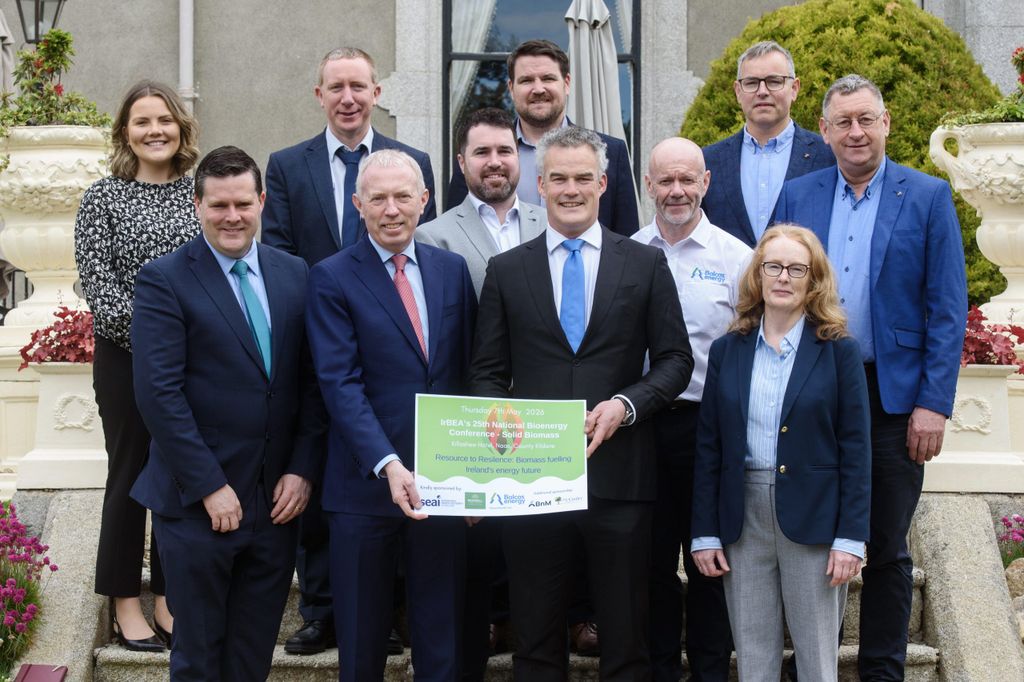
Niamh Brennan, senior policy executive at the IFA, made the comments at the Irish Bioenergy Association (IrBEA) National Bioenergy Conference (May 7), which focussed on solid biomass.
As part of the panel discussion, ‘The biomass policy and support landscape’, Brennan pointed to the RHO scheme when asked about bottlenecks in terms of farmers realising the opportunity for them in the renewable energy sector.
RHO
The government's proposed RHO scheme had been expected to be introduced in the Dáil in coming months.
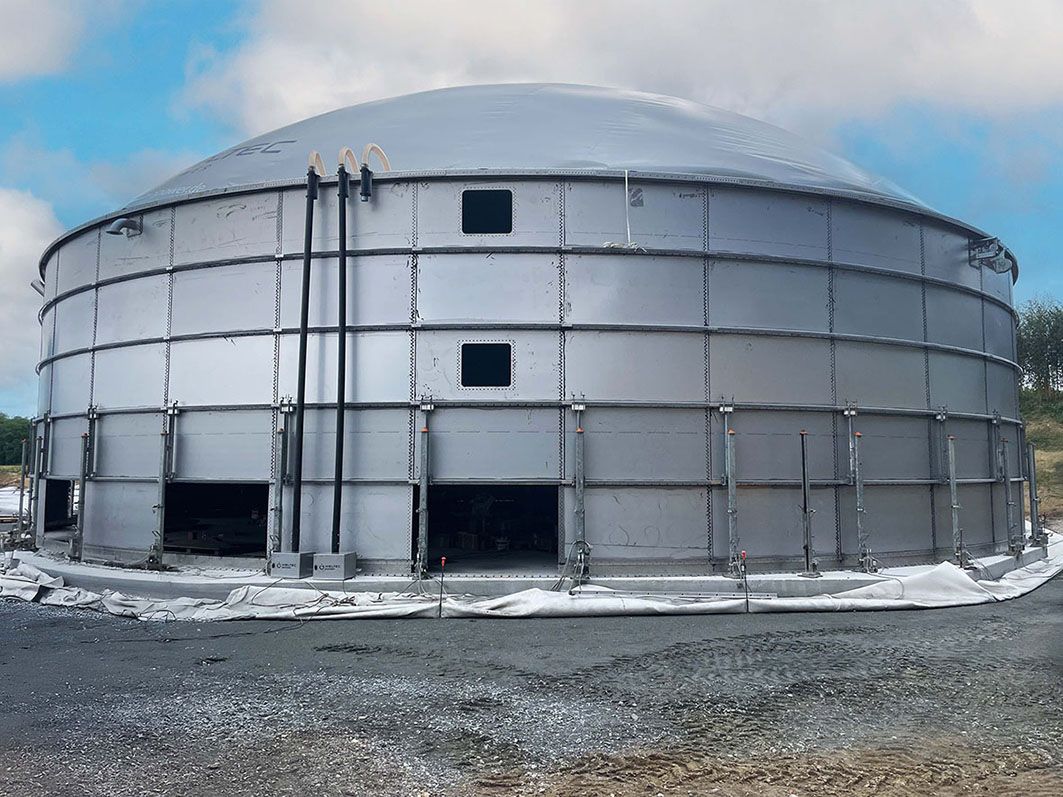
However, concerns have been raised that a new opinion from the European Commission could put the development of the biomethane and anaerobic digestion sector in Ireland at risk.
It is understood that the commission has now deemed the proposed 'multiplier' for indigenous biomethane contained in the RHO as incompatible with EU internal market rules.
The RHO would have provided for a 'multiplier' - a mechanism for increasing the credit earned for certain types of fuels within an obligation scheme - for indigenously produced biomethane,
Brennan told the panel that the RHO "has come up time and time again as the number one constraint to trying to, you know, bring farmers along in this journey and realise that there is potential in the transition from fossil fuels to renewable energy.”
She noted that the rejection of the multiplier was disappointing as "we do feel that we do need additional supports alongside the capital aid".
Brennan went on to say that several biomethane structures had been highlighted at the IrBEA conference that could be utilised by both small and large farms.
However, she stressed that "some sort of mechanism to support the offtake of renewables in the ag sector is required", as Ireland is currently far below its potential in renewables.
"We have huge potential, with huge landmass, there's a huge opportunity for diversification in ag at the minute.
"So one of the main bottlenecks, I suppose, definitely is the RHO.
"It's like any sector, in ag, you need to have an established market in order for something to take off.
"So definitely the RHO, and then around planning constraints, planning and infrastructure, the grid, etc," she added.
Brennan also highlighted the impact of the Middle East conflict on farming input costs.
“It's never been more pressing to try to displace the fossil fuels," she said.
Conference
Maurice Ryan, IrBEA president and director of business development for Green Belt, had earlier delivered the conference’s opening address.
He said: “There is no doubt that the time for biomass deployment at scale is now, given the challenges facing us in terms of rising fossil fuel prices due to war, climate change, decarbonisation and delivery on Ireland’s renewable energy targets.
“There is a significant opportunity and great potential for biomass, including the role for forestry and timber production as valuable income drivers in rural communities.
“It is incumbent on the government and industry to further encourage the forestry programme and rapidly increase the levels of afforestation, to increase the land availability for forestry and woodland development and work towards attaining our climate targets.”
He added the government “has ambitious targets to increase the amount of timber used in buildings and construction, which must be based around indigenous timber supply”.
Ryan said: “The bioenergy sector and renewable heat produced using solid biomass is a key enabler of sustainable forest management which is vital to maximising the potential of the forest for timber production.”