Why consumers might swap beef for poultry meat in 2026


Weakening consumer buying power could shape demand when it comes to meat purchases this year and see shoppers across the globe turn more to poultry, according to a new report.
Rising inflation and ongoing geopolitical tensions are also among the key risks facing the sector in 2026 according to the latest Meat Market Review published by the Food and Agriculture Organization of the United Nations (FAO).
The report outlines that in general world meat production rose last year.
This was driven by a number of factors, according to the FAO, including higher slaughter levels linked to herd liquidation in key producing countries, relatively lower feed costs compared to the previous year and "firm consumer demand for animal protein at the global level".
Poultry meat saw the biggest increase in production last year increasing to to 156 million tonnes but pig meat output also increased to 129 million tonnes, which showed the impact of higher slaughter rates in China.
It is forecast that China is expected to remain a "key determinant" of global pig meat production level this year again, with output expected to remain broadly stable.
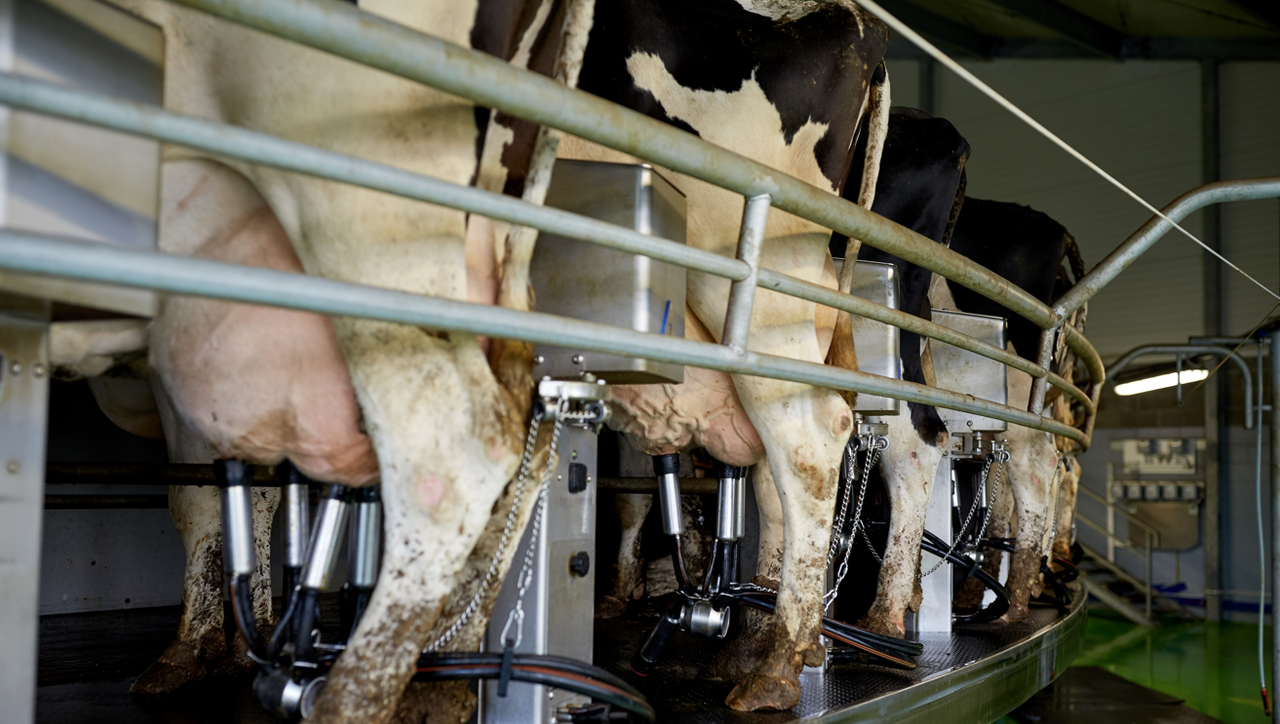
In contrast global bovine meat production expanded only marginally in 2025, rising by 0.7 percent and the latest FAO report forecasts a "decline in global bovine meat production in 2026".
Last year higher female slaughter and efficiency gains supported production in Brazil while in Australia, continued herd liquidation increased slaughter volumes and, combined with generally favourable pasture conditions and strong export demand, underpinned output growth.
Overall these increases were partially offset by declines in the United States due to a reduced cattle herd.
Meat trade
Research shows that the world meat trade increased by 3.4 percent last year, hitting 43.4 million tonnes.
According to the FAO this increase happened despite a number of challenges including:
- Tight exportable supplies in several key exporting countries;
- Animal-disease-related import/export restrictions;
- Evolving trade policy measures;
- Geopolitical tensions which impact sourcing processes.
The FAO's latest Meat Market Review warns that this year the sector continues to face ongoing challenges from conflicts to macroeconomic conditions and the "persistence of animal diseases".
It also forecasts that consumers might opt for "substitution" when buying meat which could push poultry to the fore.